Spain - Tapas, Markets, and Daily Life Culture in Spain — A Local's Perspective
Spain is home to over 46 million people, and its active cities are known for their busy markets, delicious tapas, and cultural traditions. In Madrid alone, there are over 3 million residents who enjoy a lifestyle deeply intertwined with food, social gatherings, and a unique daily rhythm. This article will help you decide if retiring in Spain offers the lifestyle and cultural immersion you're seeking.
Quick Take
- Best for: American retirees who want to immerse themselves in a rich culinary and social culture.
- Monthly reality: Expect to spend between $2,000 and $3,000, depending on lifestyle and location.
- Biggest advantage: Access to fresh produce and local markets that enhance daily living.
- Biggest warning: Language barriers can be challenging, especially outside major cities.
- Before moving: Verify visa, healthcare, tax, housing, and insurance rules with official sources or a qualified professional.
Exploring Spain's Market Culture
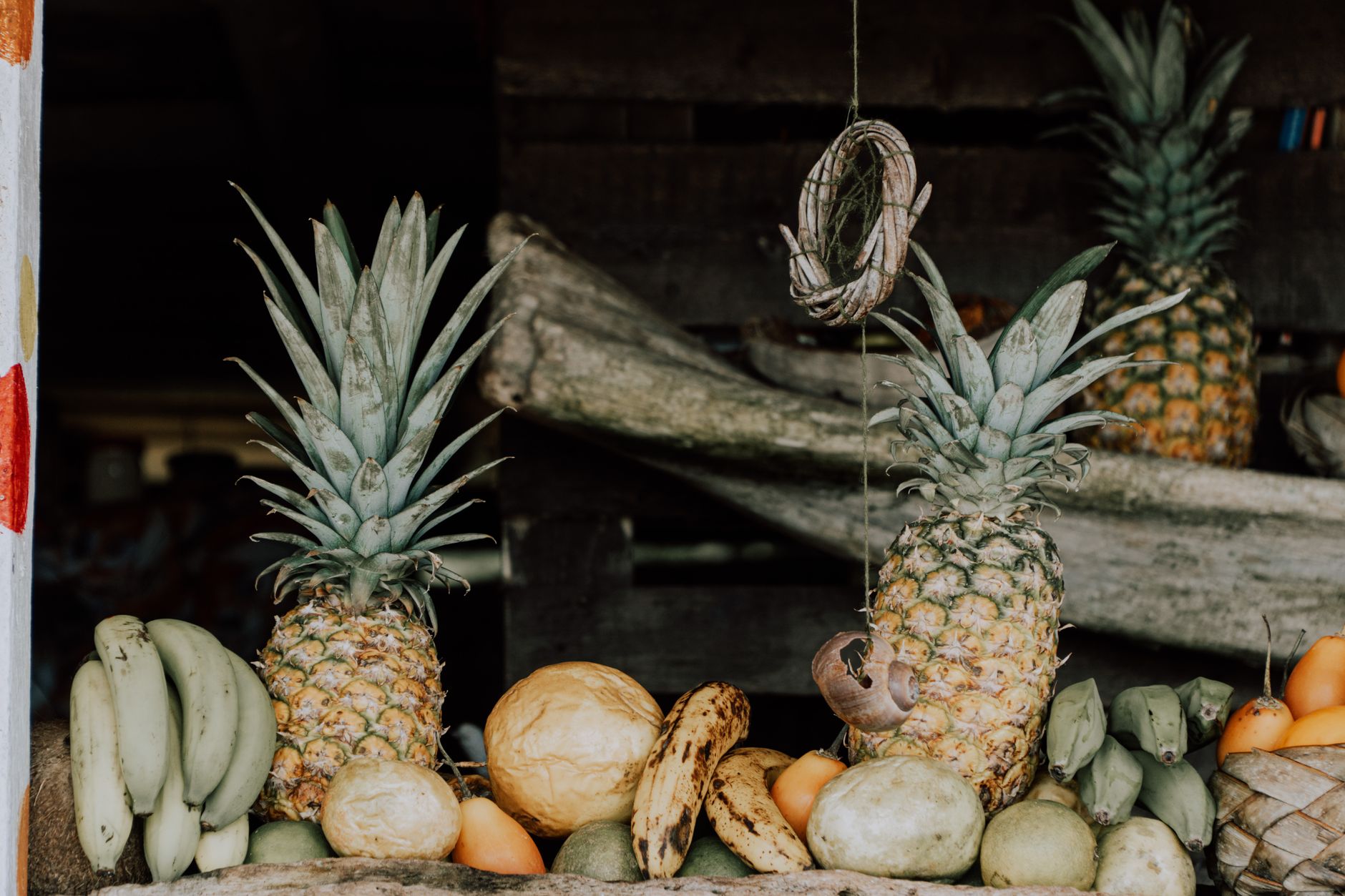
Spain's markets are a cornerstone of daily life, offering fresh produce, local meats, and artisanal goods. In Barcelona, the Mercat de Sant Josep de la Boqueria is a must-visit, drawing locals and tourists alike with its array of colorful stalls. Here, you can buy fresh seafood, Iberian ham, and a variety of cheeses. Prices are generally reasonable, with a week's worth of groceries for two costing around €50–€70.

The market scene in Spain isn't just about shopping; it's a social event. Locals often stop for a café con leche or a quick chat with vendors. Many markets close early in the afternoon, aligning with the traditional Spanish siesta. This can be an adjustment for those used to 24/7 shopping convenience.
While the markets offer a delightful experience, they can be overwhelming at first. Crowds are common, especially in popular spots like Madrid's Mercado de San Miguel. For a more relaxed experience, consider visiting smaller neighborhood markets. These spots often provide a more authentic interaction with local residents and vendors.
The Tapas Tradition
Tapas are more than just a meal in Spain; they're a way of life. In Seville, tapas bars line the streets, each offering their own specialties, from patatas bravas to gambas al ajillo. A typical tapas dish costs around €2–€5, making it an affordable way to dine out.

Eating tapas is a social affair, often accompanied by a glass of wine or a cold cerveza. It's common to hop from one bar to another, sampling different dishes and enjoying the lively atmosphere. However, this tradition can be confusing for newcomers. Unlike a full meal, tapas are meant to be shared, and understanding the unwritten rules of ordering and sharing can take some time.
The language barrier can also pose a challenge when ordering tapas, as menus are often only in Spanish. Learning basic phrases or using a translation app can enhance your experience. While larger cities like Barcelona and Madrid may have English-speaking staff, this is less common in smaller towns.
Adapting to Daily Life and Culture
Daily life in Spain follows a different rhythm than what many Americans might be accustomed to. For instance, Spaniards typically have their main meal between 2 and 4 p.m., followed by a lighter dinner around 9 or 10 p.m. Adjusting to this schedule can take time but offers a glimpse into the relaxed pace of Spanish life.
Public transportation is widely used, with cities like Madrid and Barcelona offering extensive metro systems. A monthly metro pass in Madrid costs around €54, making it an affordable option for getting around. However, in smaller towns, public transport may be limited, and having a car could be necessary.
One common assumption is that Spain is always sunny and warm, but the weather can vary significantly by region. While the southern coast enjoys mild winters, the northern regions can be quite cold and rainy, especially in winter. This is an important consideration when choosing where to settle.
Practical Comparison Table
| Decision Area | Practical Detail | Retirement Note | |---|---|---| | Monthly Cost | $2,000–$3,000 | Budget for housing, food, and transport | | Healthcare | Public and private options | Verify insurance and access needs | | Housing | Varied by region | Check lease terms and building quality | | Transportation | Metro and bus in cities | Consider a car in rural areas | | Safety | Generally safe | Be aware of pickpocketing in tourist areas |
Healthcare, Visa, Tax, and Safety Notes
Spain offers a robust public healthcare system, but access may require residency. Private insurance is advisable for quicker service or specialized care. Verify your eligibility for public healthcare and consider supplemental private insurance for comprehensive coverage.
Visa requirements for retirees often include proof of income and health insurance. The non-lucrative visa is a common choice, but confirm the latest requirements with the Spanish consulate or a qualified immigration lawyer.
Taxation can be complex, as Spain taxes worldwide income. Consult a tax advisor familiar with both U.S. and Spanish tax laws to understand your obligations and avoid double taxation.
Safety in Spain is generally good, but pickpocketing is common in crowded areas. Stay vigilant, especially in tourist hotspots, and consider travel insurance for added security.
Common Mistakes Retirees Should Avoid
- Underestimating language barriers; learning basic Spanish is crucial.
- Assuming all of Spain is warm year-round; research regional climates.
- Failing to understand local dining customs, leading to social faux pas.
- Overlooking the need for private healthcare insurance.
- Not budgeting for higher costs in major cities like Madrid and Barcelona.
- Ignoring the importance of understanding local tax obligations.
- Assuming all areas have good public transport; some regions require a car.
Before You Move Checklist
- Verify visa or residency rules specific to retirees.
- Assess healthcare access and the need for private insurance.
- Understand your tax obligations in both the U.S. and Spain.
- Research rent and lease conditions in your chosen area.
- Evaluate walkability and public transportation options.
- Consider safety and emergency access in your neighborhood.
- Prepare for language barriers; consider taking Spanish lessons.
- Familiarize yourself with local dining and market customs.
- Plan for regional weather variations when choosing a location.
Frequently Asked Questions
Is it expensive to live in Spain?
Living costs vary by region, but generally, Spain is affordable compared to the U.S. Expect to spend between $2,000 and $3,000 monthly, depending on your lifestyle and location.
Do I need to speak Spanish to live in Spain?
While it's possible to get by with English in tourist areas, learning Spanish is highly recommended for daily interactions and a richer cultural experience.
What type of visa do I need to retire in Spain?
The non-lucrative visa is popular among retirees, requiring proof of income and health insurance. Verify the latest requirements with the Spanish consulate.
Related Golden Horizons Guides
- Best Countries to Retire Abroad on a Budget
- Healthcare Abroad for American Retirees
- Retiring Abroad Checklist for Americans
- Visa Rules for Americans Retiring Abroad
About Golden Horizons
Golden Horizons helps Americans age 60+ compare retirement-abroad destinations using practical information about cost of living, healthcare, housing, visas, taxes, safety, walkability, and lifestyle. Our goal is to help readers avoid expensive mistakes before choosing where to live overseas.
Final Verdict
Retiring in Spain offers a vibrant cultural experience with access to lively markets and social dining traditions. However, potential retirees should be cautious of language barriers and regional climate differences. It's essential to verify visa, healthcare, and tax obligations with qualified professionals to ensure a smooth transition.