Costa Rica — Food, Nature, and Pura Vida Culture for Retirees
Imagine waking up to the gentle sound of waves crashing against the shore and the distant chatter of exotic birds. This is a typical start to a day in Costa Rica, a country that has captivated the hearts of many retirees with its lush landscapes, welcoming culture, and relaxed lifestyle. If you're considering making Costa Rica your retirement haven, it's essential to delve deeper into what daily life is like, the common misconceptions about living here, and whether this vibrant country is the right fit for you.
What Daily Life Actually Looks Like
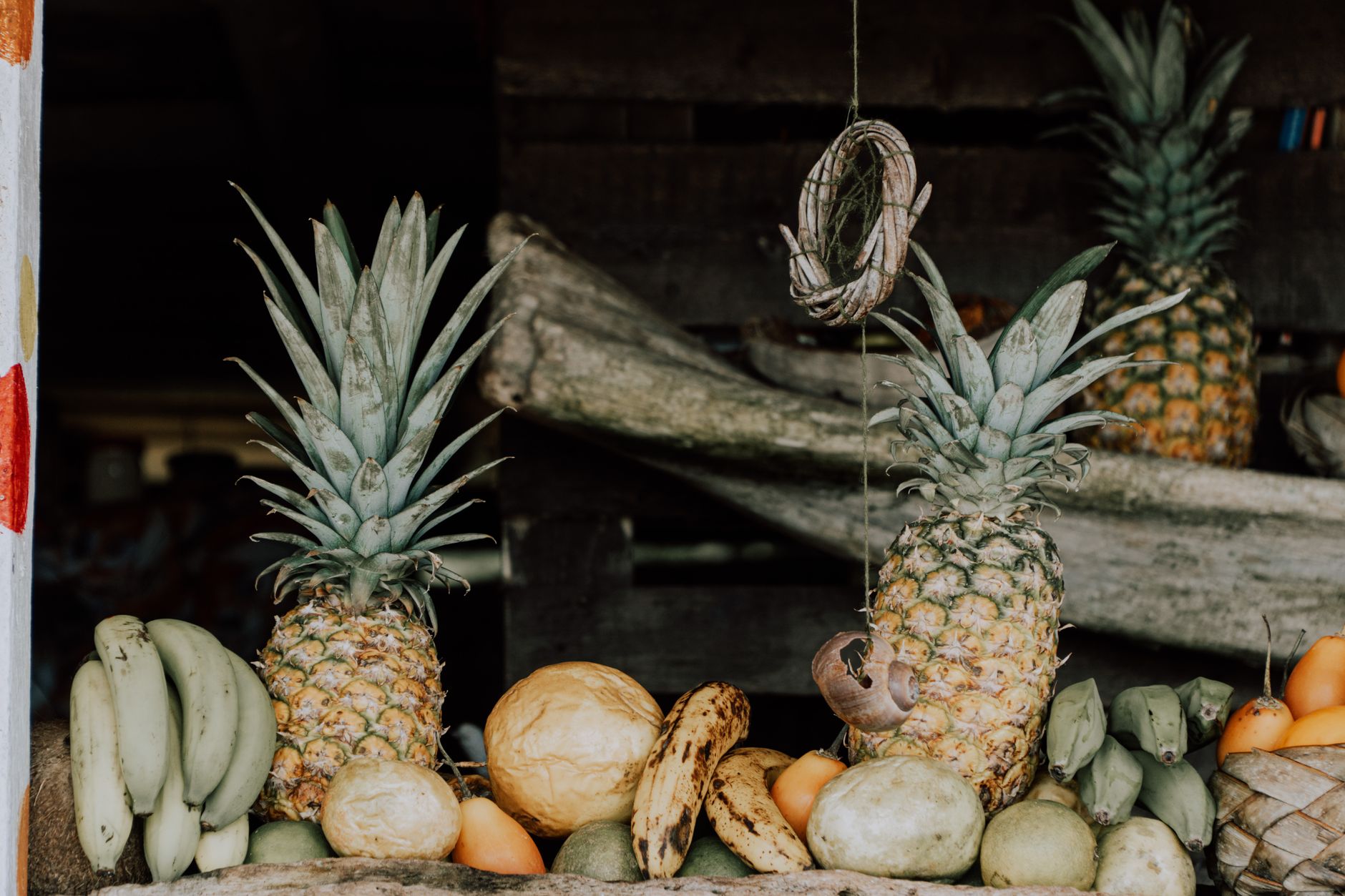
A typical Tuesday morning in Costa Rica for an American retiree starts with a cup of rich, locally grown coffee, enjoyed on the balcony overlooking the verdant jungle or shimmering ocean. The morning routine might include a leisurely walk along the beach or a visit to the local farmer's market where fresh produce like papayas, pineapples, and avocados are abundant and affordable. It's not uncommon to spend around $300–$500 a month on groceries, thanks to the availability of fresh local products and low-cost staples (verify before deciding).
As the sun climbs higher, retirees often find themselves engaging with the community, whether it's through volunteering, joining a yoga class, or simply chatting with neighbors over a light lunch of gallo pinto, a delicious mix of rice and beans. The community atmosphere in towns like Atenas or Tamarindo is friendly and inclusive, with expats and locals mingling effortlessly. Many retirees report that their monthly expenses, including rent, utilities, and transportation, comfortably fit within a budget of $2,000 to $3,500, depending on lifestyle choices and location (verify before deciding).
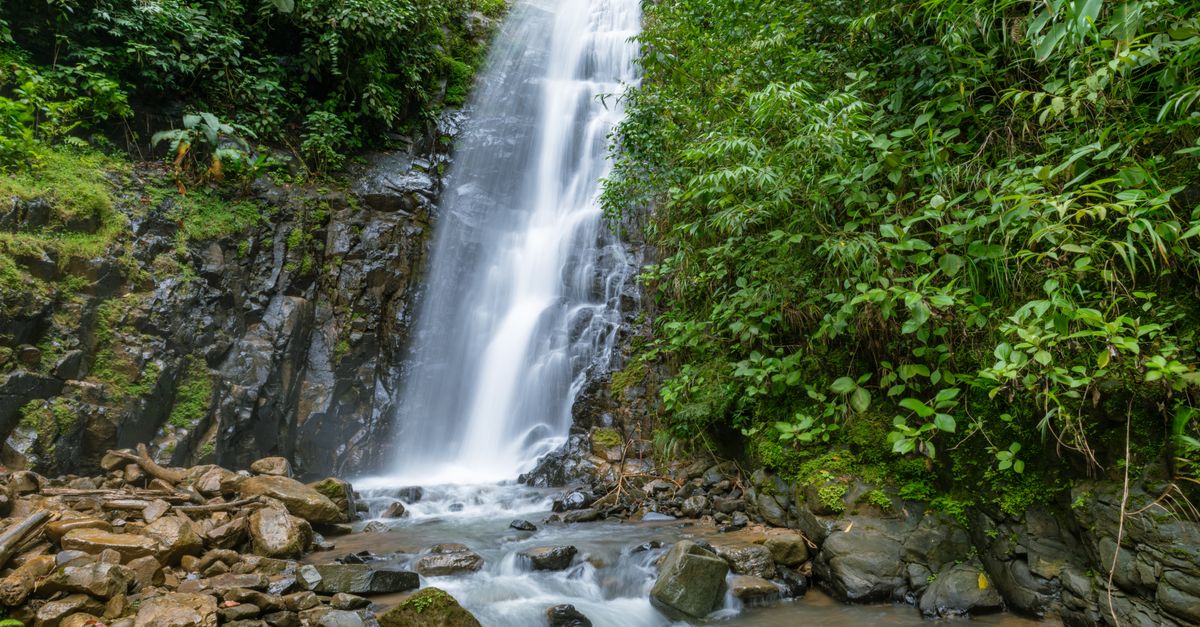
Afternoons are often reserved for activities that embrace Costa Rica's natural beauty. Whether it's a hike through the Monteverde Cloud Forest, a swim in the warm Pacific waters, or simply lounging on a hammock with a book, the pace of life here is decidedly relaxed. The notion of "pura vida," or "pure life," permeates every aspect of daily life, encouraging a slower, more mindful approach to living. As the day winds down, a simple dinner of grilled fish and plantains or a visit to a local restaurant to enjoy casado, a traditional Costa Rican dish, wraps up another peaceful day.
What Most Americans Get Wrong About This Place
One of the biggest misconceptions Americans have about Costa Rica is the language barrier. While Spanish is the official language, many locals, especially in areas with large expat communities, speak English. This makes daily interactions smoother than expected. Additionally, there are numerous language schools and community programs where retirees can learn Spanish, enhancing their experience and allowing richer interactions with the local culture.

Safety is another concern for many potential retirees. While crime does exist, as it does everywhere, Costa Rica is generally considered one of the safer countries in Central America. Areas like Escazú and Santa Ana have robust expat communities with low crime rates. The key is to remain aware of your surroundings, as you would anywhere, and to choose neighborhoods that are known for their safety and community spirit.
Healthcare quality is often questioned, but Costa Rica boasts a high standard of medical care with both public and private systems. The public healthcare system, known as Caja, is available to residents and provides comprehensive care at a low cost. Many expats opt for the private healthcare system, which offers shorter wait times and access to modern facilities, often at a fraction of the cost compared to the United States (verify before deciding). It's reassuring to know that you can get quality healthcare without breaking the bank.
Is This Place Right for You?
If you thrive on a sense of adventure, love exploring nature, and are open to embracing a different pace of life, Costa Rica could be your ideal retirement destination. Those who enjoy being part of a community, whether through social clubs or volunteer work, will find plenty of opportunities to connect with others. The country's commitment to environmental preservation and sustainable living is perfect for retirees who value nature and wish to live in harmony with it.

However, it's important to acknowledge that Costa Rica might not be for everyone. If you're someone who needs the hustle and bustle of a big city or can't imagine living without certain conveniences found in the U.S., you might find the slower pace and occasional infrastructure quirks challenging. The wet season, which lasts from May to November, can also be a deterrent for those who prefer constant sunshine.
Ultimately, the decision to retire in Costa Rica depends on your personal preferences and lifestyle goals. Spend a few weeks exploring different regions, talk to expats who've made the move, and assess if the blend of culture, nature, and community aligns with your vision of an ideal retirement.
Costa Rica offers a vibrant tapestry of experiences for retirees looking to savor life at a different rhythm. Whether it's the allure of its natural beauty, the warmth of its people, or the simplicity of its lifestyle, the country invites you to pause and reflect. Could this be the pura vida experience you've been searching for?