Ecuador - Markets, Food, and Daily Culture in Ecuador — A Local's Perspective
Ecuador, a small yet diverse country straddling the equator, offers retirees a vibrant blend of cultures, climates, and communities. With its lush landscapes, colonial architecture, and welcoming locals, Ecuador presents a compelling option for those considering a retirement abroad. This article delves into the markets, food, and daily culture that define life in Ecuador, providing insights that may help you decide if this destination aligns with your retirement dreams.
What Life There Actually Looks Like
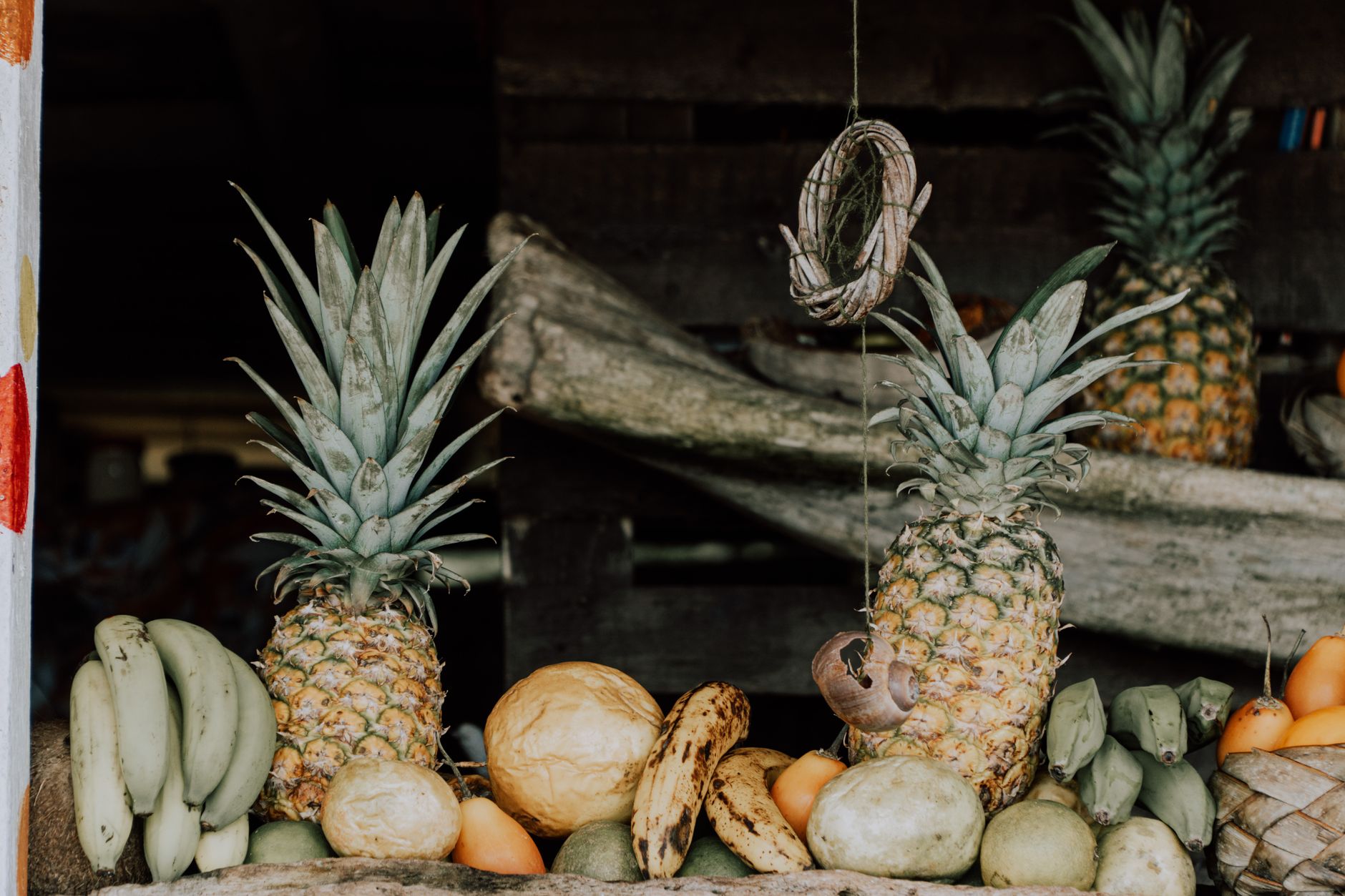
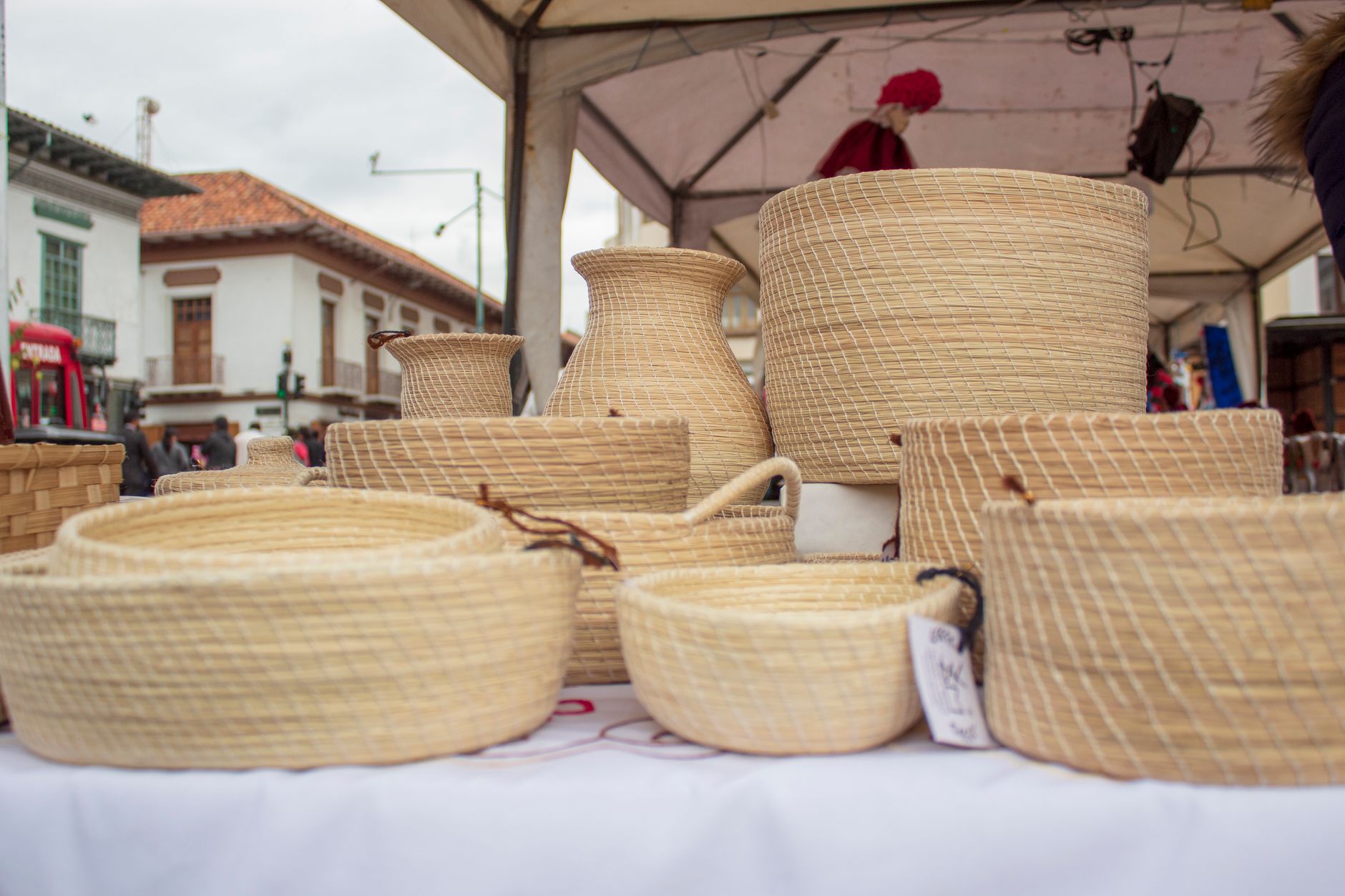
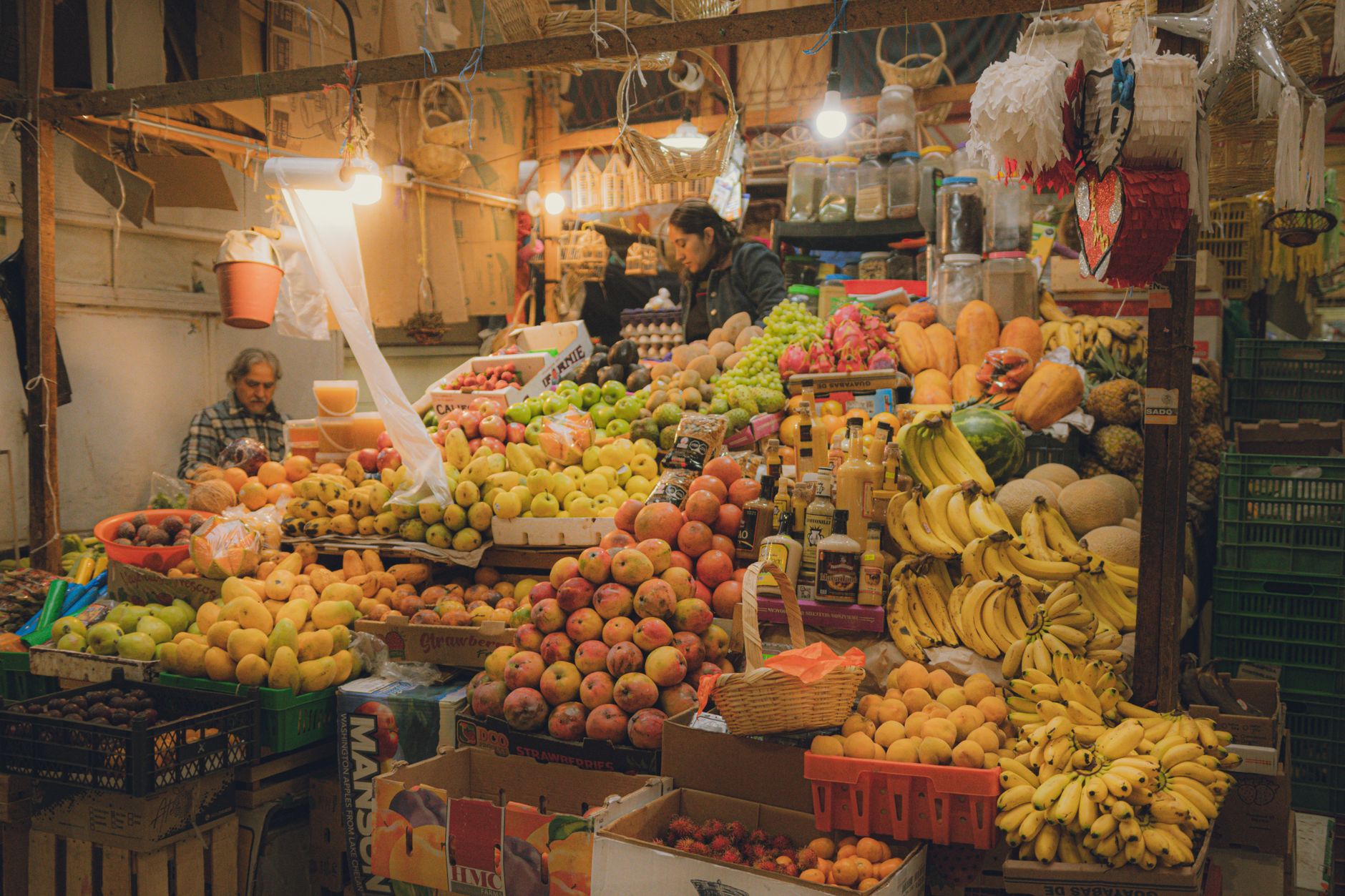
Life in Ecuador is often described as relaxed and community-oriented. Markets are a cornerstone of daily life, bustling with vendors selling fresh produce, meats, and handmade goods. In cities like Quito and Cuenca, markets are not just places to shop but vibrant social hubs where locals gather to catch up and share news. For retirees, these markets offer an excellent opportunity to immerse themselves in the local culture, practice Spanish, and enjoy the freshest ingredients for their meals.
The cost of living in Ecuador varies depending on the location and lifestyle choices. For a monthly budget of $2,000 to $5,000, retirees can enjoy a comfortable life that includes dining out, exploring the country's many attractions, and accessing quality healthcare. In smaller towns and rural areas, the cost of living can be even lower, allowing retirees to stretch their budgets further while enjoying a slower pace of life.
Public transportation is widely available and affordable, making it easy to explore Ecuador's diverse regions without the need for a car. Buses are the primary mode of transport between cities, while taxis and ride-sharing services are commonly used within urban areas. For those who prefer to drive, car rentals are available, but retirees should be prepared for variable road conditions and sometimes challenging traffic in larger cities.
The Practical Details Americans Should Know
When considering a move to Ecuador, there are several practical details to keep in mind. Firstly, the country uses the U.S. dollar as its official currency, which simplifies financial transactions for American retirees. However, it's essential to verify the availability of banking services that cater to expats, as not all financial institutions offer the same conveniences as in the United States.

Healthcare in Ecuador is generally of good quality, with both public and private options available. Private healthcare facilities in cities like Quito and Guayaquil are often on par with those in the U.S., although retirees should verify the specifics of their health insurance coverage and access to services before moving. Many expats find that the cost of healthcare in Ecuador is significantly lower than in the United States, making it an attractive option for retirees on a budget.
Language can be a barrier for some, as Spanish is the official language of Ecuador. While English is spoken in tourist areas and by some locals, especially in larger cities, retirees may find that learning basic Spanish greatly enhances their ability to integrate into the community and navigate daily life. Language classes are widely available, and many expats find that their Spanish skills improve rapidly through immersion in local culture.
Is This Move Right for You?
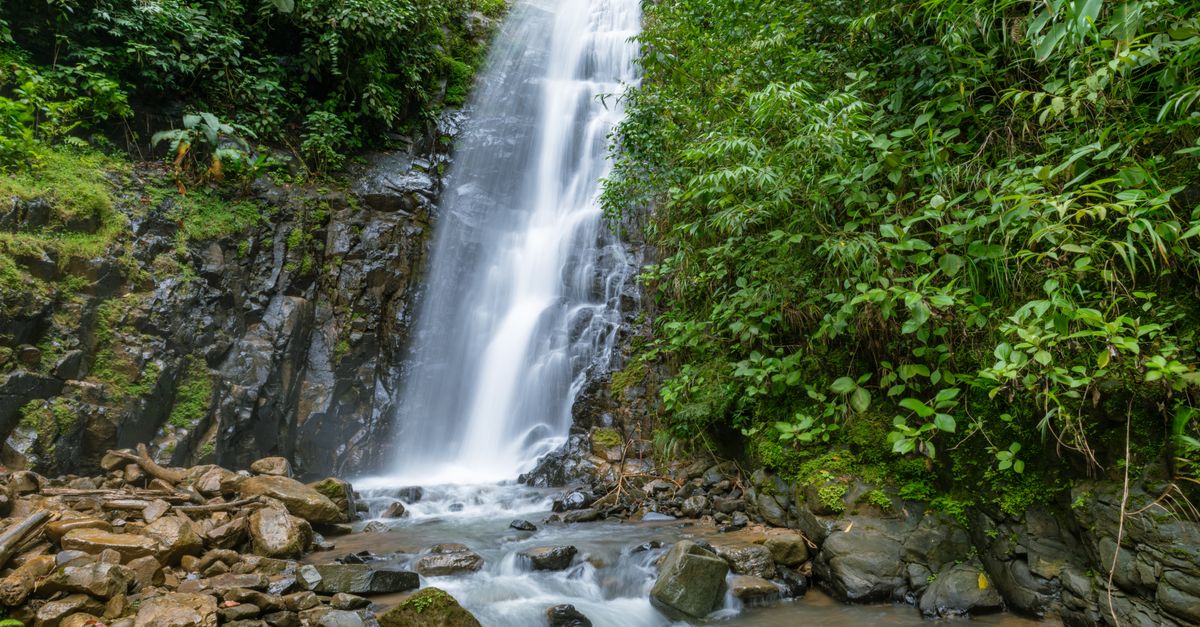
Retiring in Ecuador offers a unique blend of adventure and tranquility, but it's essential to consider whether this lifestyle aligns with your personal preferences and needs. The country's diverse landscapes range from the Andean highlands to the Amazon rainforest and the Pacific coast, providing a variety of climates and environments to choose from. This diversity can be appealing for those who enjoy exploring different settings but may require careful consideration of which region best suits your lifestyle.
Social life in Ecuador can be vibrant, with numerous opportunities to engage with both locals and other expats. Many retirees find that joining clubs, volunteer groups, or language exchange programs helps them build a social network and feel more connected to their new home. However, those who prefer a more private or solitary lifestyle may need to make a concerted effort to establish connections.
Safety is another consideration for potential retirees. While Ecuador is generally considered safe, like any country, it has areas where caution is advised. Retirees should stay informed about local conditions and take common-sense precautions to protect themselves and their property. Engaging with the local community and seeking advice from other expats can provide valuable insights into navigating safety concerns.
Finally, it's crucial to consider the logistics of moving abroad, such as securing a visa, managing finances, and maintaining connections with family and friends back home. Ecuador offers several visa options for retirees, but the application process can be complex, and requirements may change. Consulting with a qualified immigration professional can help ensure a smooth transition.
In conclusion, Ecuador offers a rich tapestry of cultures, stunning natural beauty, and a welcoming atmosphere that can make it an attractive retirement destination. However, it's essential to weigh the practical details and personal preferences carefully to determine if this move is right for you. By understanding the markets, food, and daily culture of Ecuador, retirees can make an informed decision about whether this vibrant country is the ideal place to spend their golden years.