Albania - Food, History, and Daily Culture in Albania — A Local's Perspective
With a population of approximately 2.8 million, Albania is a small yet culturally rich nation in Southeastern Europe. Known for its diverse landscapes and historical sites, the country offers a variety of Mediterranean and Balkan influences. This article will help you decide if Albania's food, history, and daily culture align with your retirement aspirations.
Quick Take
- Best for: American retirees who want an affordable European lifestyle with rich historical context.
- Monthly reality: Expect to spend around $1,200 to $1,500 for a comfortable lifestyle including rent, food, and local transportation.
- Biggest advantage: Low cost of living combined with a rich cultural experience.
- Biggest warning: Language barriers can be a challenge; Albanian is the official language, and English is not widely spoken outside tourist areas.
- Before moving: Verify visa, healthcare, tax, housing, and insurance rules with official sources or a qualified professional.
Exploring Albanian Cuisine
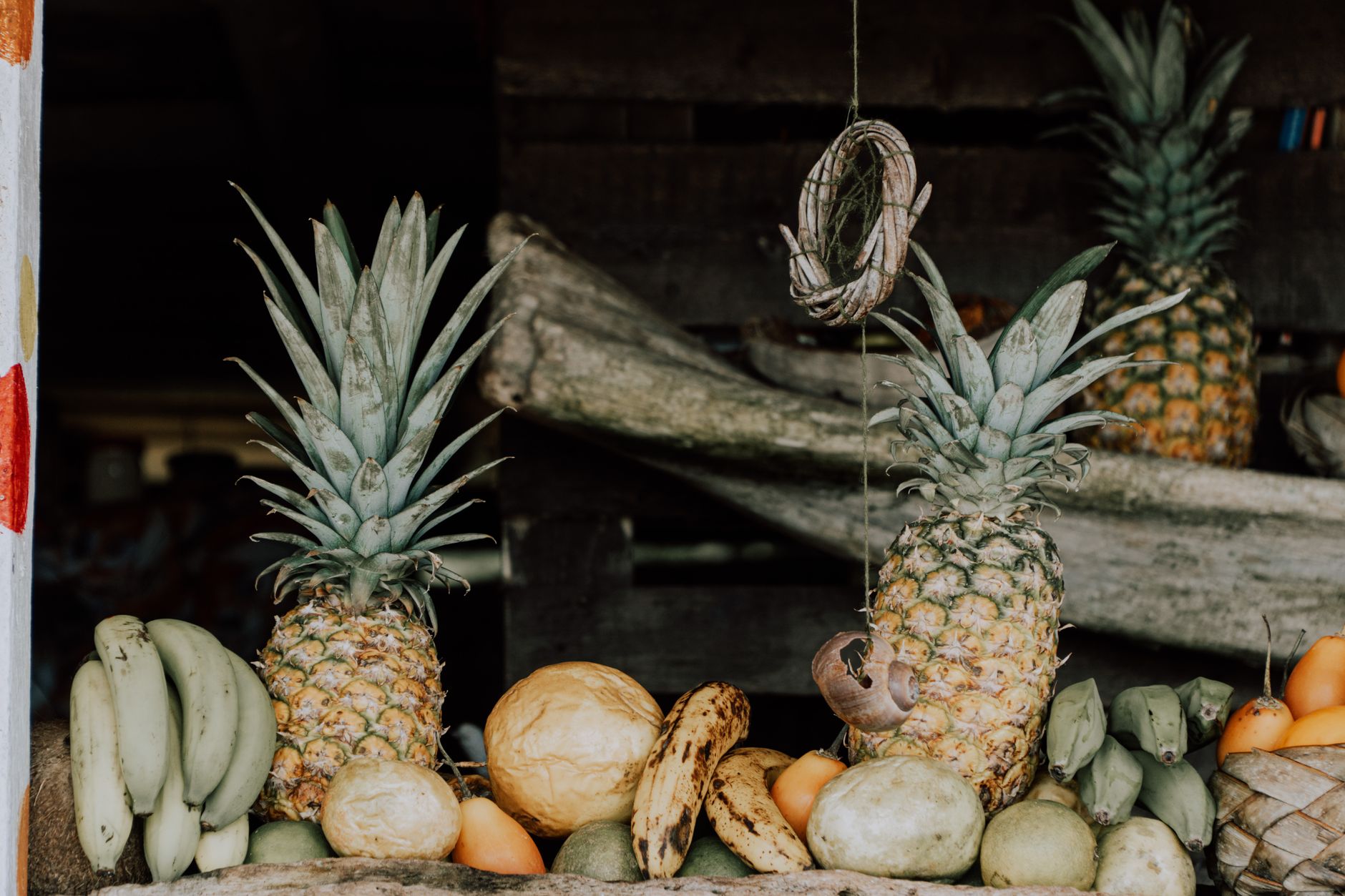
Albania's capital, Tirana, is home to the New Bazaar (Pazari i Ri), a busy market offering a variety of fresh produce, meats, and local delicacies. Here, you can find everything from olives and cheeses to fresh fish and meats. Dining out is affordable, with a typical meal at a local restaurant costing around $5 to $10. Traditional dishes like Tavë Kosi (a lamb and yogurt casserole) and Byrek (a savory pastry) are must-tries.

While the food scene is active, international cuisine options are limited compared to larger European cities. If you enjoy cooking, the availability of fresh, local ingredients is a significant plus, but those craving a wide array of international foods may find the selection lacking.
Historical Sites and Cultural Heritage
Albania's history is notable, with influences from the Romans, Byzantines, Ottomans, and more. The ancient city of Butrint, a UNESCO World Heritage site, offers a glimpse into the country's storied past. Meanwhile, Berat, known as the "City of a Thousand Windows," features well-preserved Ottoman architecture. Entry fees to these historical sites are generally low, around $3 to $5.

Public transportation options, such as buses and furgons (shared minibuses), connect major cities and historical sites. However, they can be crowded and schedules are not always reliable. Renting a car provides more flexibility, but driving in Albania requires caution due to varying road conditions.
Daily Life and Cultural Norms
Daily life in Albania is influenced by traditional and modern practices. In Tirana, the Blloku district is a popular area for socializing, offering cafes, bars, and shops. It's a center for both locals and expats, making it easier to connect with others. However, outside of major cities, the pace of life is slower, and English proficiency decreases significantly.
A common assumption is that Albania is unsafe, but crime rates are relatively low, especially in rural areas. Petty theft can occur in crowded places, so it’s wise to exercise standard precautions. Understanding local customs, such as greeting with a handshake and showing respect for elders, can help you integrate more smoothly.
Practical Comparison Table
| Decision Area | Practical Detail | Retirement Note | |---|---|---| | Monthly Cost | $1,200–$1,500 | Budget includes rent, food, and local transport | | Healthcare | Public and private options available | Verify insurance and access before moving | | Housing | Tirana and coastal areas popular | Check lease terms and building quality | | Transportation | Buses and furgons widely used | Consider car rental for flexibility | | Safety | Low crime rate | Be mindful of petty theft in busy areas |
Healthcare, Visa, Tax, and Safety Notes
Healthcare in Albania includes both public and private options. Public healthcare is generally limited in quality, so private healthcare is recommended for retirees, with clinics and hospitals available in major cities. Verify your health insurance coverage and access to facilities.
Visa requirements for Americans include a short-term stay of up to one year without a visa, but longer stays require a residence permit. Consult with Albanian authorities or a legal expert to understand the latest visa rules.
U.S. citizens must report their global income and may face tax obligations both in the U.S. and Albania. Consulting a tax professional familiar with international tax laws is advisable.
Safety in Albania is generally good, but as with any new location, understanding local laws and customs will aid in a smoother transition. Walkability varies, with Tirana offering more pedestrian-friendly areas compared to rural regions.
Common Mistakes Retirees Should Avoid
- Overlooking language barriers; learning basic Albanian can be very helpful.
- Assuming healthcare quality is uniform; verify the quality of facilities and services.
- Ignoring visa requirements for long-term stays.
- Underestimating the importance of understanding local customs and social norms.
- Failing to secure a reliable local contact or network for assistance.
- Neglecting to budget for unexpected expenses, such as travel or healthcare.
- Assuming all areas have the same level of safety and walkability.
Before You Move Checklist
- Check visa or residency rules for long-term stays.
- Verify healthcare access and private insurance requirements.
- Understand U.S. and Albanian tax obligations.
- Review rental agreements and housing quality.
- Assess walkability and transportation options.
- Investigate local safety and emergency services.
- Learn basic Albanian phrases for daily interactions.
- Explore local customs and cultural norms.
- Establish a local network or contact for assistance.
- Plan for potential language barriers in rural areas.
Frequently Asked Questions
Is English widely spoken in Albania?
English is not widely spoken outside of tourist areas and major cities like Tirana. Learning basic Albanian phrases can greatly enhance your daily interactions and integration into the community.
What is the cost of living in Albania for retirees?
The cost of living is relatively low, with a comfortable lifestyle ranging from $1,200 to $1,500 per month. This includes housing, food, and local transportation.
How is the healthcare system in Albania?
Albania offers both public and private healthcare options. While public facilities may be limited, private healthcare is generally of higher quality. Verify your insurance coverage and access to medical facilities before moving.
What are the visa requirements for Americans retiring in Albania?
Americans can stay in Albania for up to one year without a visa, but longer stays require a residence permit. Consult with Albanian authorities or a legal expert for the latest information.
How safe is Albania for retirees?
Albania is generally safe, with low crime rates. However, it's wise to take standard precautions against petty theft, especially in crowded areas.
Related Golden Horizons Guides
- Best Countries to Retire Abroad on a Budget
- Retiring Abroad Checklist for Americans
- Visa Rules for Americans Retiring Abroad
- Taxes for Americans Retiring Overseas
About Golden Horizons
Golden Horizons helps Americans age 60+ compare retirement-abroad destinations using practical information about cost of living, healthcare, housing, visas, taxes, safety, walkability, and lifestyle. Our goal is to help readers avoid expensive mistakes before choosing where to live overseas.
Final Verdict
Albania offers an affordable retirement for those seeking a rich historical context but comes with challenges like language barriers. Retirees should verify healthcare, visa, and tax details with professionals to ensure a smooth transition.