Quick Taste
Braai culture in South Africa is a communal grilling experience with smoky, robust flavors, while Cape Town food markets offer a diverse array of tastes from traditional to modern. For value, Cape Town's markets provide affordable options, while the countryside excels in traditional braai flavor. Cape Town is ideal for newer versions, dietary options, and first-time visitors due to its convenience and variety.
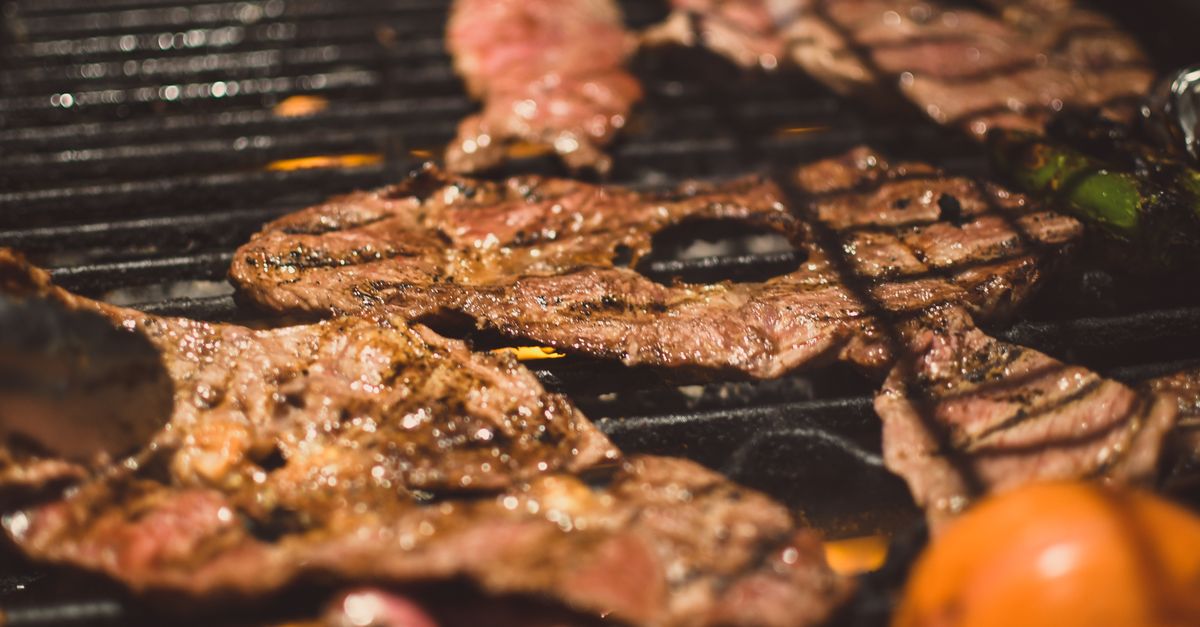
For those new to the braai experience, expect a convivial atmosphere where the focus is as much on socializing as it is on the food. The meats are typically marinated in a blend of spices and grilled over wood or charcoal, imparting a distinctive smoky taste. Accompaniments vary but often include salads, breads, and pickles. Cape Town's food markets, such as the Neighbourgoods Market, provide a platform to sample these offerings, with vendors showcasing both traditional braai items and innovative culinary twists. Whether you're a meat lover or prefer vegetarian options, there's something for everyone in this dynamic food scene.
The Story Behind the Dish
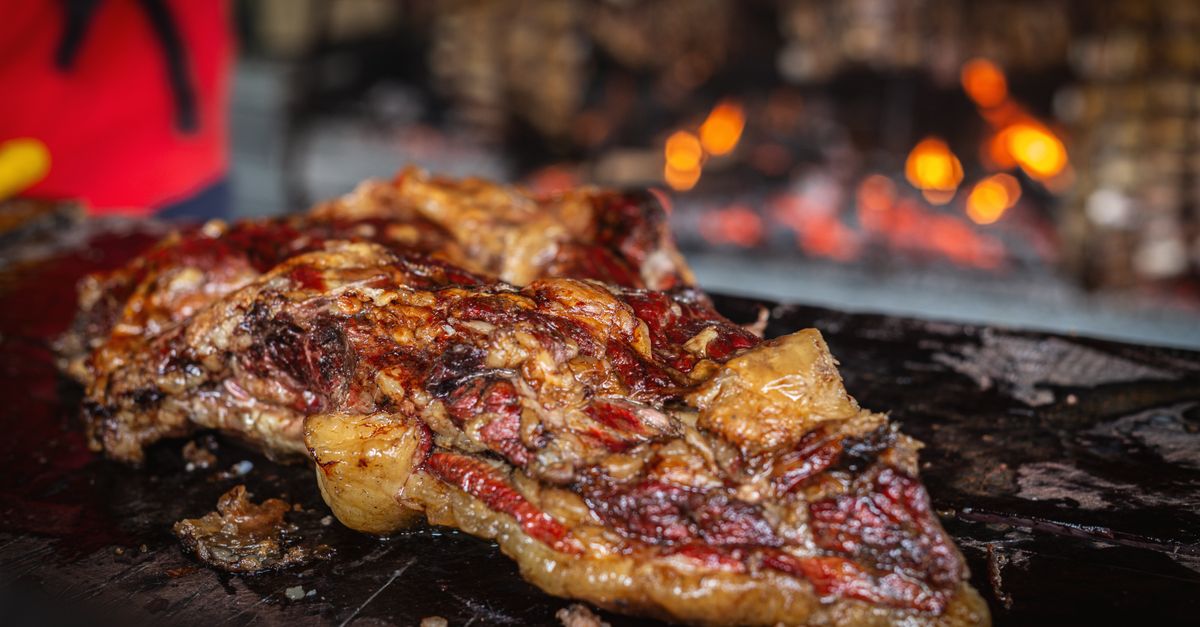
Braai, a South African tradition akin to barbecuing, is more than just cooking meat over an open flame; it's a social event that brings people together. The word "braai" is derived from the Afrikaans word for "grill" or "roast." Historically, it has roots in the indigenous Khoisan people's cooking methods, later influenced by Dutch settlers. Common ingredients include beef, lamb, pork, and boerewors (a type of sausage), often marinated in spices and sauces. The flavors are robust and smoky, with a variety of textures from tender meats to crispy edges. Braai is a cultural symbol of unity and hospitality, celebrated during weekends and public holidays.
In Cape Town, the braai culture has been embraced and adapted to reflect the city's multicultural identity. The diverse population has contributed to a wide range of flavors and techniques, with each community adding its own twist to the traditional braai. From spicy marinades inspired by Indian cuisine to the use of local herbs and spices, Cape Town's braai offerings are a testament to the city's culinary diversity. The braai is more than just a meal; it's a celebration of community, connection, and the joy of sharing food with others.
How Locals Eat It
Locals typically enjoy braai on weekends or during festive occasions. It is a casual, outdoor affair often held in backyards or designated braai areas in parks. The meal is usually accompanied by sides such as pap (a type of maize porridge), chakalaka (a spicy vegetable relish), and salads. Drinks like beer or local wines are common companions. The atmosphere is relaxed, with friends and family gathering around the fire, sharing stories and laughter.

In Cape Town, the braai experience is often enhanced by the city's striking natural backdrop. Many locals take advantage of the beautiful weather and scenic locations, hosting braais on beaches, in parks, or in their own backyards. The focus is on enjoying good food and good company, with the braai serving as the centerpiece of the gathering. Traditional accompaniments like pap and chakalaka are staples, but you'll also find a variety of salads, breads, and sauces to complement the meal. For those who prefer a lighter option, grilled vegetables and seafood are popular choices.
Where to Find It
In Cape Town, braai can be experienced at local markets, such as the Neighbourgoods Market in Woodstock or the Bay Harbour Market in Hout Bay. These markets often feature stalls that serve freshly grilled meats alongside other local delicacies. For a more traditional experience, visit Mzoli's Place in Gugulethu, a popular spot among locals and tourists alike. Additionally, many guesthouses and lodges in the countryside offer braai facilities for guests to enjoy.

The Neighbourgoods Market, located in the Old Biscuit Mill in Woodstock, is a popular destination for both locals and tourists. Here, you can sample a wide range of braai dishes, from traditional boerewors rolls to gourmet burgers and artisanal sausages. The market also offers a selection of craft beers and local wines, making it the perfect spot to enjoy a leisurely afternoon.
City vs. Countryside Flavor
Cape Town's food markets offer a newer take on traditional braai, with vendors experimenting with flavors and ingredients, making it accessible for those with dietary restrictions. The city is convenient for first-time visitors due to its popular market scene and diverse offerings. In contrast, the countryside provides a more traditional experience, with larger portions and traditional flavors. The atmosphere is often more relaxed, and prices can be lower than in the city.
While Cape Town offers a diverse and innovative take on braai, the countryside provides a more traditional experience. In rural areas, braai is often a simpler affair, focused on the quality of the meat and the skill of the cook. The emphasis is on using fresh, locally-sourced ingredients, with minimal seasoning to allow the natural flavors to shine through. The setting is typically more rustic, with braais taking place in open fields or on farms, surrounded by the beauty of the South African landscape.
Cost, Portions, and Ordering Tips
Braai dishes in Cape Town markets typically range from ZAR 50 to ZAR 150, depending on the type and portion of meat. Portions are generally generous, often enough to share. Cash is commonly used in markets, though some vendors accept cards. In the countryside, prices may be slightly lower. When ordering, ask about the day's special or recommended marinades to enhance your experience.
When it comes to cost, braai in Cape Town can range from affordable to premium, depending on where you choose to eat. At local markets, you can expect to pay around 50 to 100 ZAR for a hearty portion of braai meat with sides. Restaurants and more upscale venues may charge higher prices, but they often offer a more refined dining experience with a wider selection of dishes and beverages.
What to Know Before You Try It
Braai dishes are generally safe for most travelers, but those with dietary restrictions should inquire about ingredients, as marinades may contain gluten or dairy. The spice level can vary, so it's wise to ask if you prefer milder flavors. Hygiene standards in Cape Town markets are typically high, but it's always good to observe cleanliness and freshness at stalls.
Before diving into the braai experience, it's important to understand a few key aspects of this cultural tradition. First and foremost, braai is about community and connection, so be prepared to engage with those around you and embrace the social aspect of the meal. It's also worth noting that braai is typically a leisurely affair, with the cooking process taking time to ensure the meat is perfectly cooked.
Common Mistakes Visitors Make
Visitors often mistake braai for a simple barbecue and may overlook the social aspect. It's not just about the food but the experience of sharing it with others. Another common mistake is not trying local sides like pap and chakalaka, which are integral to the meal. Lastly, some tourists may overpay at tourist-centric markets; visiting local spots like Mzoli's can offer a more traditional and affordable experience.
One common mistake visitors make when experiencing braai for the first time is underestimating the social aspect of the event. Braai is not just about the food; it's about the people and the atmosphere. To fully enjoy the experience, be open to meeting new people and engaging in conversation. Another mistake is not trying a variety of dishes. With so many flavors and options available, it's worth sampling a few different items to get a true sense of the braai culture.
Frequently Asked Questions
Is braai better in Cape Town or the countryside?
Cape Town is better for convenience and newer versions, while the countryside offers traditional flavor and larger portions.
What does braai taste like?
Braai has a smoky, robust flavor with tender meats and crispy edges, often enhanced by spicy marinades.
How much does braai usually cost?
In Cape Town markets, braai dishes typically cost between ZAR 50 and ZAR 150, depending on the portion and type of meat.
What should I order with braai?
Order traditional sides like pap and chakalaka to complete the braai experience.
Related Golden Horizons Guides
- Best Countries to Retire Abroad on a Budget
- Healthcare Abroad for American Retirees
- Retiring Abroad Checklist for Americans
- Visa Rules for Americans Retiring Abroad
About Golden Horizons
Golden Horizons is the retirement abroad magazine for Americans who aren’t done yet.
Final Bite
Braai culture in South Africa is a reflection of community and tradition, offering visitors a taste of unity and hospitality. Whether you prefer the newer takes of Cape Town's markets or the traditional flavors of the countryside, there's a braai experience for everyone. Embrace the social aspect and enjoy the rich flavors that define this cherished South African tradition.