Quick Taste
Picture yourself in Boquete, Panama, where the air is crisp and the mountains frame the horizon. It's Sunday, and the town is alive with the aroma of sancocho—a hearty chicken stew simmering with root vegetables and herbs. This comforting dish is a staple in local homes and eateries, offering a savory broth that warms you from the inside out. Typically served with a side of white rice, sancocho is both filling and flavorful, with tender chicken pieces and a medley of yucca, plantains, and corn. A bowl of this soul-soothing stew in Boquete might set you back around $4 to $6, making it an affordable enjoynce for those contemplating a longer stay in this mountain town.
The Story Behind the Dish
Sancocho is more than just a meal; it is a cultural emblem of Panama, with roots tracing back to the indigenous and Spanish influences that have shaped the region's culinary history. Traditionally, sancocho was a dish prepared by rural families using whatever ingredients were available, often cooked over an open fire. The stew's name comes from the Spanish word "sancochar," which means to parboil, reflecting the cooking method where ingredients are simmered slowly to extract deep flavors. Over time, sancocho has become a symbol of Panamanian hospitality, often served during family gatherings and celebrations. Its evolution from a humble rural dish to a national favorite underscores its importance in Panamanian culture.
How Locals Eat It
In Boquete, sancocho is not just a meal; it's a Sunday ritual. Locals often gather with family and friends, sharing stories and laughter over steaming bowls of this nourishing stew. While some prefer to enjoy it at home, others head to local eateries where the stew is prepared in large pots, ensuring enough for everyone. It's common to see sancocho served with a side of rice, which diners mix into the broth to soak up every bit of flavor. A squeeze of lime and a sprinkle of fresh cilantro are often added just before eating, enhancing the stew's aromatic profile. For many, sancocho is a reminder of home and community, a dish that brings people together.
Where to Find It
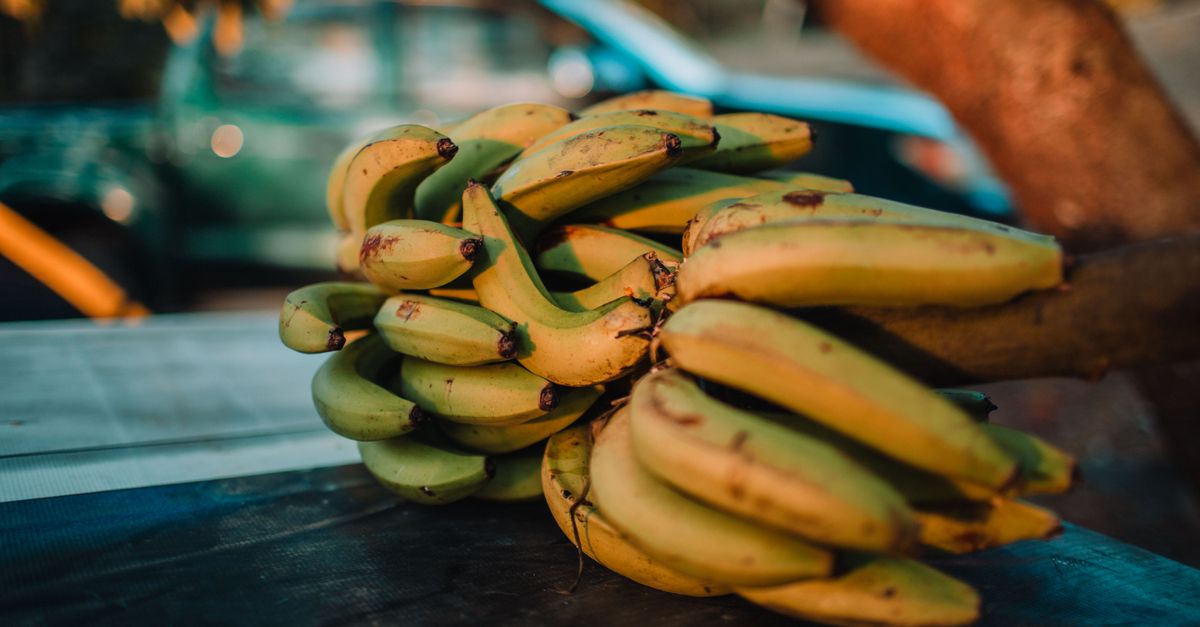
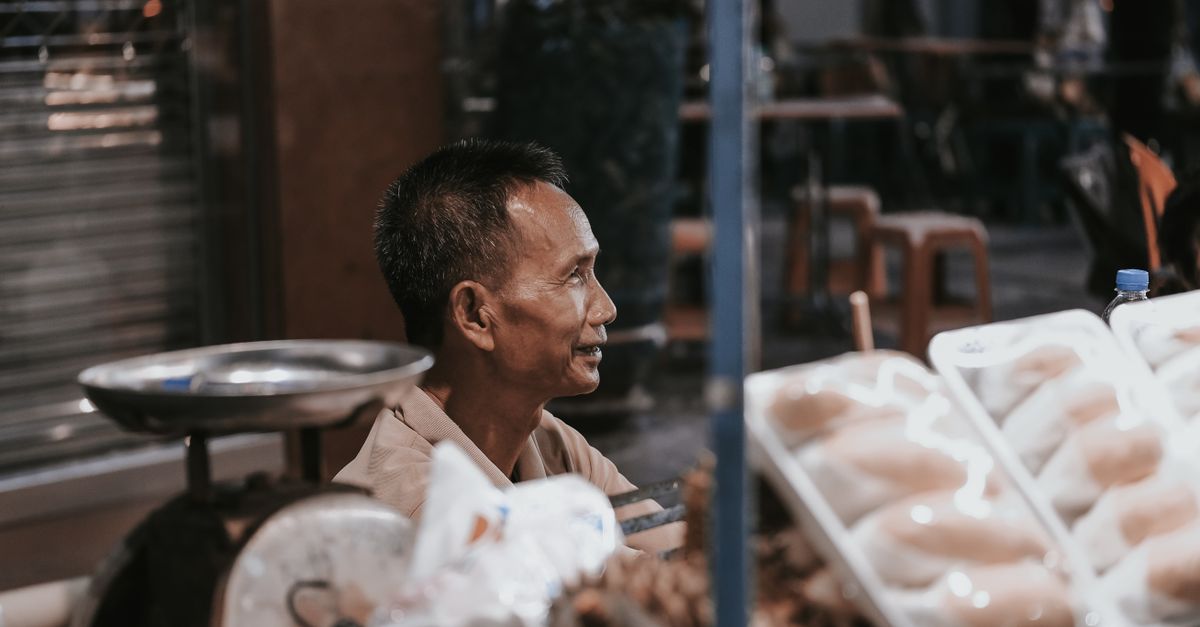
For those looking to experience sancocho in Boquete, local markets and eateries are the places to go. The town's central market is a popular hub where vendors sell fresh ingredients for the stew, including locally sourced chicken and vegetables. Several small restaurants and roadside stalls offer sancocho, especially on Sundays, when the demand is highest. While some establishments cater to tourists, others remain frequented by locals, offering a more genuine taste. If you're planning a longer stay, consider visiting the market to buy ingredients and try your hand at making sancocho in your own kitchen—a perfect way to embrace local life.
Regional Variations
While sancocho is a staple across Panama, each region adds its own twist to the dish. In Boquete, the cooler climate influences the stew's preparation, with heartier ingredients like yucca and plantains playing a central role. Coastal areas might incorporate seafood into their sancocho, offering a lighter version that reflects the ocean's bounty. In the Azuero Peninsula, a region known for its cattle ranches, beef is often used instead of chicken, resulting in a more robust stew. Despite these variations, the essence of sancocho remains the same: a comforting, communal dish that adapts to the resources and tastes of each region.
Cost, Portions, and Ordering Tips
A bowl of sancocho in Boquete typically costs between $4 and $6, making it an economical choice for both locals and visitors. Portions are generous, often accompanied by a serving of rice, which helps to stretch the meal further. When ordering, consider asking for lime and cilantro on the side, as these garnishes can enhance the stew's flavor. If you're dining out, look for places that prepare the dish fresh daily, as sancocho is best enjoyed when the flavors have had time to meld. For those cooking at home, purchasing ingredients from local markets can be a cost-effective way to enjoy this popular stew.
What to Know Before You Try It
Sancocho is a dish deeply rooted in Panamanian tradition, and understanding its cultural significance can enrich your dining experience. It's a meal best enjoyed slowly, allowing you to appreciate the complex flavors that develop from hours of simmering. While sancocho is widely available, the best versions are often found in smaller, family-run establishments where recipes have been passed down through generations. Be prepared for variations in spice levels, as some cooks add more pepper to give the stew a kick. Whether you're dining out or cooking at home, sancocho offers a taste of Panamanian warmth and hospitality.
Common Mistakes Visitors Make
One common mistake visitors make is assuming that all sancocho is the same. In reality, the dish can vary significantly depending on the cook's preferences and the region. Another error is overlooking the importance of the garnishes—lime and cilantro are not just decorative; they add essential brightness to the dish. Visitors might also underestimate the portion sizes; sancocho is meant to be filling, so it's wise to pace yourself, especially if you're pairing it with rice. Lastly, some tourists gravitate towards more touristy spots, missing out on the traditional flavors found in local haunts.
Frequently Asked Questions
What ingredients are typically used in sancocho?
Sancocho typically includes chicken, yucca, plantains, corn, and a variety of root vegetables such as carrots and potatoes. The broth is seasoned with herbs like culantro, garlic, and onions. Some variations might include beef or seafood, depending on the region.
Is sancocho spicy?
Sancocho is generally not spicy, but some cooks may add a touch of pepper to enhance its flavor. If you're sensitive to heat, you can request a milder version or add spice to your liking with hot sauce on the side.
Can I find sancocho outside of Panama?
Yes, sancocho is popular in several Latin American countries, each with its own variation. However, the Panamanian version is distinct in its use of ingredients and preparation methods, making it a unique dining experience.
What's the best time to eat sancocho in Boquete?
Sundays are the most popular day for eating sancocho in Boquete, as it's a traditional meal for family gatherings. That said, many restaurants serve it throughout the week, especially during lunch hours.
Related Golden Horizons Guides
- Best Countries to Retire Abroad on a Budget
- Healthcare Abroad for American Retirees
- Retiring Abroad Checklist for Americans
- Visa Rules for Americans Retiring Abroad
About Golden Horizons
Golden Horizons is the retirement abroad magazine for Americans who aren't done yet.
Final Bite
Sancocho in Boquete is more than just a dish; it's an invitation to experience the warmth and community spirit of Panama. For those considering a longer stay or even retirement in this attractive town, trying sancocho is an essential step in understanding the local way of life. Before making any decisions, spend a week enjoying the flavors and rhythms of Boquete—it's the kind of everyday experience that can truly inform your choice.