Quick Taste
In a sun-drenched kitchen in Provence, a pot of ratatouille simmers on the stove, filling the air with the aroma of tomatoes, zucchini, and eggplant. This vegetable stew, a staple of the region, is a celebration of summer's bounty, with each bite offering a taste of the sun-ripened produce that defines the season. Typically served warm or at room temperature, ratatouille is often accompanied by crusty bread and a glass of local rosé. A generous portion can be enjoyed for EUR 6-8 (about $7-9), making it an affordable and delightful meal option for those considering a longer stay in this attractive part of France.
The Story Behind the Dish
Ratatouille hails from the Provence region of France, where the Mediterranean climate nurtures an abundance of vegetables. The dish's origins are humble, born out of necessity as farmers sought ways to utilize the surplus produce of the season. Traditionally, ratatouille was a peasant dish, a simple yet flavorful way to make use of what was on hand. Over time, it has become a cherished part of French food culture, celebrated for its rustic charm and the way it highlights the natural flavors of fresh vegetables. The name itself comes from the French verb "touiller," meaning to stir, reflecting the dish's straightforward preparation.
How Locals Eat It
In Provence, ratatouille is a versatile dish that locals enjoy in various ways. It can be a main course, served with rice or pasta, or a side dish accompanying grilled meats or fish. Some prefer it cold as a salad, allowing the flavors to meld overnight in the refrigerator. For a truly local experience, pair it with a slice of quiche or a simple omelet. In the summer months, when the markets are brimming with fresh produce, ratatouille becomes a staple on the table, often prepared in large batches to last several days. It's a dish that embodies the leisurely pace of Provencal life, encouraging diners to enjoy each bite slowly.
Where to Find It
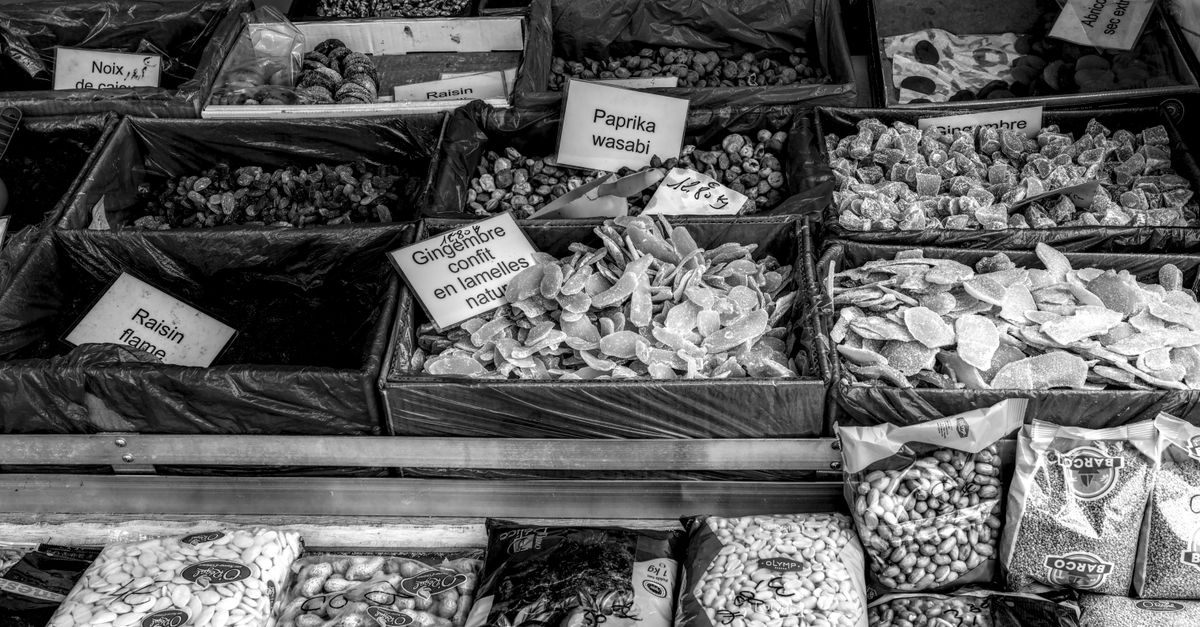
While ratatouille is a common feature on restaurant menus across Provence, the best versions are often found in local homes and markets. Visit a farmers' market in towns like Aix-en-Provence or Avignon, where vendors sell homemade ratatouille by the jar, perfect for a picnic or a quick meal at home. For those who prefer dining out, look for small, family-run bistros that offer daily specials based on seasonal ingredients. These establishments often serve ratatouille alongside other regional favorites, providing a taste of traditional Provencal cuisine. Don't miss the chance to buy fresh vegetables from the market and try making your own at home.

Regional Variations
Though ratatouille is quintessentially Provencal, variations exist throughout France and beyond. In Nice, a similar dish known as "ratatouille niçoise" is made with the addition of olives and capers, lending a briny depth to the stew. Some cooks prefer to roast the vegetables separately before combining them, intensifying their flavors and adding a hint of smokiness. In other regions, you might find ratatouille served with a poached egg on top, creating a creamy contrast to the vegetables. Each variation reflects the local ingredients and tastes, offering a different take on this classic dish.
Cost, Portions, and Ordering Tips
Ratatouille is an economical choice for anyone looking to enjoy the flavors of Provence without breaking the bank. In restaurants, a serving typically costs EUR 6-8 (about $7-9), while homemade versions are even more budget-friendly, especially if you buy vegetables in bulk from the market. When ordering, consider pairing it with a side of couscous or polenta for a more filling meal. If you're dining with friends, order a large portion to share, as ratatouille is a dish best enjoyed in good company. For those cooking at home, remember that the flavors improve with time, so make enough to last a few days.
What to Know Before You Try It
Ratatouille is a dish that celebrates simplicity and the quality of its ingredients. When trying it for the first time, focus on the freshness and texture of the vegetables. The key to a good ratatouille is slow cooking, allowing the flavors to meld without turning the vegetables into mush. If you're making it at home, don't rush the process—let the stew simmer gently to achieve the best results. In Provence, meals are a leisurely affair, so take your time to enjoy the dish and the company you're with. And remember, ratatouille is as much about the experience as it is about the food.
Common Mistakes Visitors Make
One common mistake visitors make is expecting ratatouille to be a quick, one-pot meal. While the dish is simple, it requires patience and attention to detail. Another mistake is overlooking the importance of quality ingredients. Fresh, ripe vegetables are essential to the dish's success, so take the time to source the best produce available. Finally, some visitors may shy away from trying ratatouille at local markets, thinking it's a dish best left to restaurants. In reality, homemade versions found at markets often provide the most traditional taste of Provence.
Frequently Asked Questions
What vegetables are traditionally used in ratatouille?
Ratatouille typically includes tomatoes, zucchini, eggplant, bell peppers, onions, and garlic. These vegetables are cooked slowly to allow their flavors to blend harmoniously.
Can ratatouille be made in advance?
Yes, ratatouille can be made in advance and often tastes better the next day as the flavors have more time to develop. It's a great dish to prepare ahead of time for a gathering.
Is ratatouille served hot or cold?
Ratatouille can be served hot, warm, or cold. In Provence, it's commonly enjoyed at room temperature or slightly chilled, especially during the summer months.
What wine pairs well with ratatouille?
A light, dry rosé or a crisp white wine, such as a Sauvignon Blanc, pairs beautifully with ratatouille, complementing the dish's fresh, vegetable flavors.
Related Golden Horizons Guides
- Best Countries to Retire Abroad on a Budget
- Healthcare Abroad for American Retirees
- Retiring Abroad Checklist for Americans
- Visa Rules for Americans Retiring Abroad
About Golden Horizons
Golden Horizons is the retirement abroad magazine for Americans who aren't done yet.
Final Bite
Ratatouille offers a taste of Provencal life that is both simple and deeply satisfying. For those contemplating a move or extended stay in Provence, this dish is an ideal introduction to the region's food traditions. Imagine spending a summer afternoon preparing ratatouille with fresh market finds, then enjoying it with friends as the sun sets. It's these everyday moments that make life in Provence so appealing—a reality worth experiencing before making any big decisions.