Portugal - Food, Wine, and Slow Living Culture in Portugal — A Local's Perspective
For those contemplating retirement abroad, Portugal emerges as an enticing option, especially for those drawn to the allure of Mediterranean cuisine, world-renowned wines, and a lifestyle that embraces a slower pace. Known for its hospitable people and picturesque landscapes, Portugal offers a blend of rich history and modern comforts. But what does life really look like in this Iberian gem for American retirees?
What Life There Actually Looks Like
Living in Portugal offers a unique blend of the old and the new. Cities like Lisbon and Porto buzz with youthful energy alongside historical charm, while the countryside and smaller towns provide a serene escape. The Portuguese lifestyle is characterized by a relaxed pace, where lingering over meals and enjoying the company of friends and family is a valued tradition.
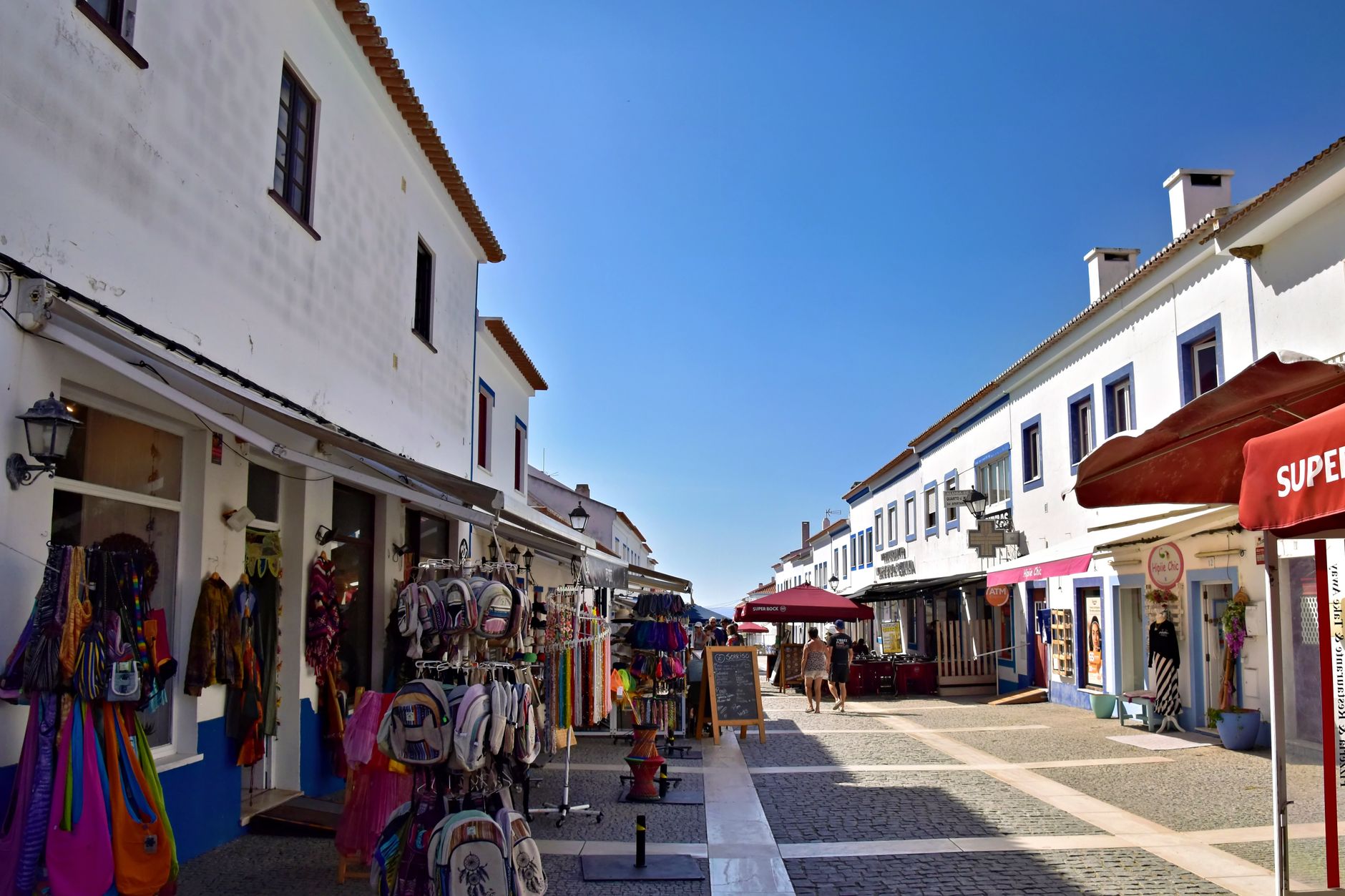
For retirees, this means a chance to truly savor each day. The cost of living in Portugal is generally lower than in many parts of the United States, with a monthly budget of $2000 to $5000 often covering housing, food, utilities, and leisure activities comfortably. Dining out is an affordable pleasure, with a typical meal at a local restaurant costing around €10 to €15. Groceries are also reasonably priced, allowing retirees to indulge in fresh produce and local delicacies without straining their finances.
However, it’s important to note that while the cost of living is lower, salaries and pensions may also reflect this difference, and exchange rates can fluctuate, impacting your budget. Retirees should plan their finances carefully and consider consulting with a financial advisor familiar with international living.
The Practical Details Americans Should Know
When considering a move to Portugal, understanding the practicalities of daily life is crucial. The country offers a robust public transportation network, with trains, buses, and trams providing affordable and efficient options for getting around. Owning a car is not necessary in urban areas, but may be beneficial in rural regions where public transport is less frequent.

Healthcare in Portugal is another important consideration. The country offers a public healthcare system that is accessible to residents, including expats who obtain residency. However, many retirees opt for private health insurance to access a wider range of services and shorter waiting times. Private insurance costs can vary, but a comprehensive plan might range from €50 to €150 per month, depending on age and coverage levels.
Language can be a barrier, as Portuguese is the official language, and while many people in urban areas and tourist locales speak English, learning some basic Portuguese can greatly enhance the experience and help with integration into local communities.
Housing options vary widely, from modern apartments in bustling city centers to charming countryside villas. Renting is a popular choice for expats, with monthly rents for a one-bedroom apartment in Lisbon ranging from €800 to €1200, while smaller towns and rural areas offer more affordable options.
Is This Move Right for You?
Deciding whether Portugal is the right place for your retirement involves weighing the benefits against your personal needs and preferences. The country's slow living culture may appeal to those seeking a peaceful, unhurried lifestyle. The mild climate, with warm summers and mild, rainy winters, is generally pleasant, though it may require some adjustment for those used to more extreme seasonal changes.
Social life in Portugal is vibrant and welcoming, with many opportunities to engage with both locals and the expat community. From joining local clubs and activities to participating in festivals and events, retirees can find numerous ways to integrate and enjoy the cultural richness Portugal offers.
However, the slower pace may not suit everyone. Those who thrive in fast-paced environments or prefer the hustle and bustle of larger cities might find the laid-back lifestyle challenging. Additionally, while Portugal is generally considered safe, adjusting to a new culture and navigating the bureaucracy can be daunting for some.
For those who are intrigued by Portugal's offerings, a trial period is advisable. Spending several months in the country can provide valuable insights into daily life, helping retirees make an informed decision. Many opt for short-term rentals or extended stays to test the waters before committing to a permanent move.
In conclusion, Portugal presents a compelling option for retirement, with its rich cultural heritage, affordable living, and welcoming atmosphere. However, like any major life decision, it requires careful consideration and planning. By understanding the nuances of life in Portugal and aligning them with personal expectations and goals, retirees can determine if this picturesque country is the right fit for their golden years.