Philippines - Food, Festivals, and Daily Culture in the Philippines — A Local's Perspective
With over 7,600 islands, the Philippines is a diverse nation where each region boasts its own culinary and cultural traditions. In Metro Manila, for example, street food such as "isaw" (grilled chicken intestines) can be found for as little as 20 PHP (about $0.40) per skewer, providing a taste of local flavors at an affordable price. This article will help you decide if the Philippines' food, festivals, and daily culture align with your retirement aspirations.
Quick Take
- Best for: American retirees who want a culturally rich and diverse daily life.
- Monthly reality: Expect to spend around $1,200 to $1,500 for a comfortable lifestyle, including housing, food, and transportation.
- Biggest advantage: The active cultural scene and friendly locals make integration easier.
- Biggest warning: Language barriers and varying quality in healthcare facilities can be challenging.
- Before moving: Verify visa, healthcare, tax, housing, and insurance rules with official sources or a qualified professional.
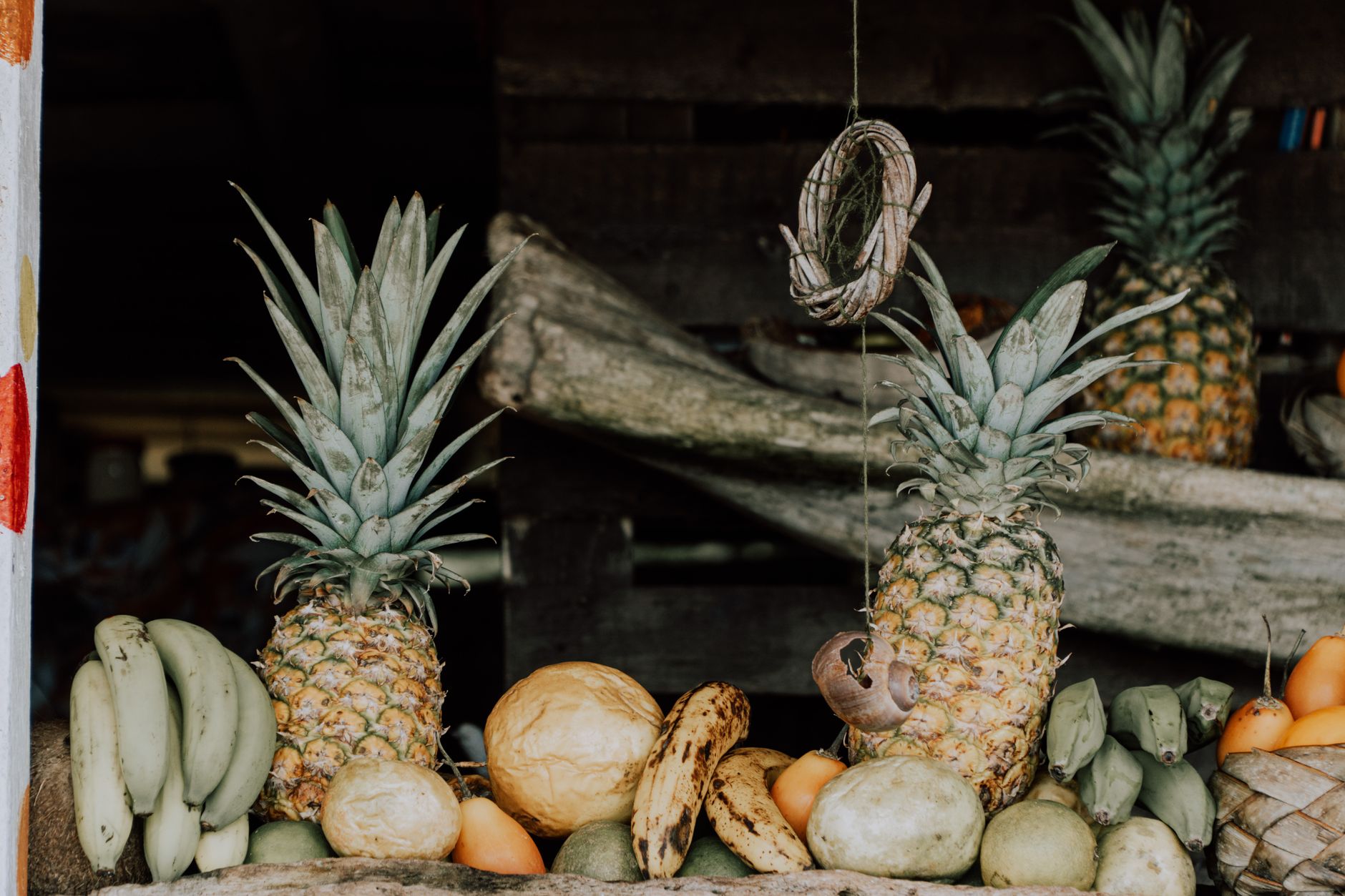
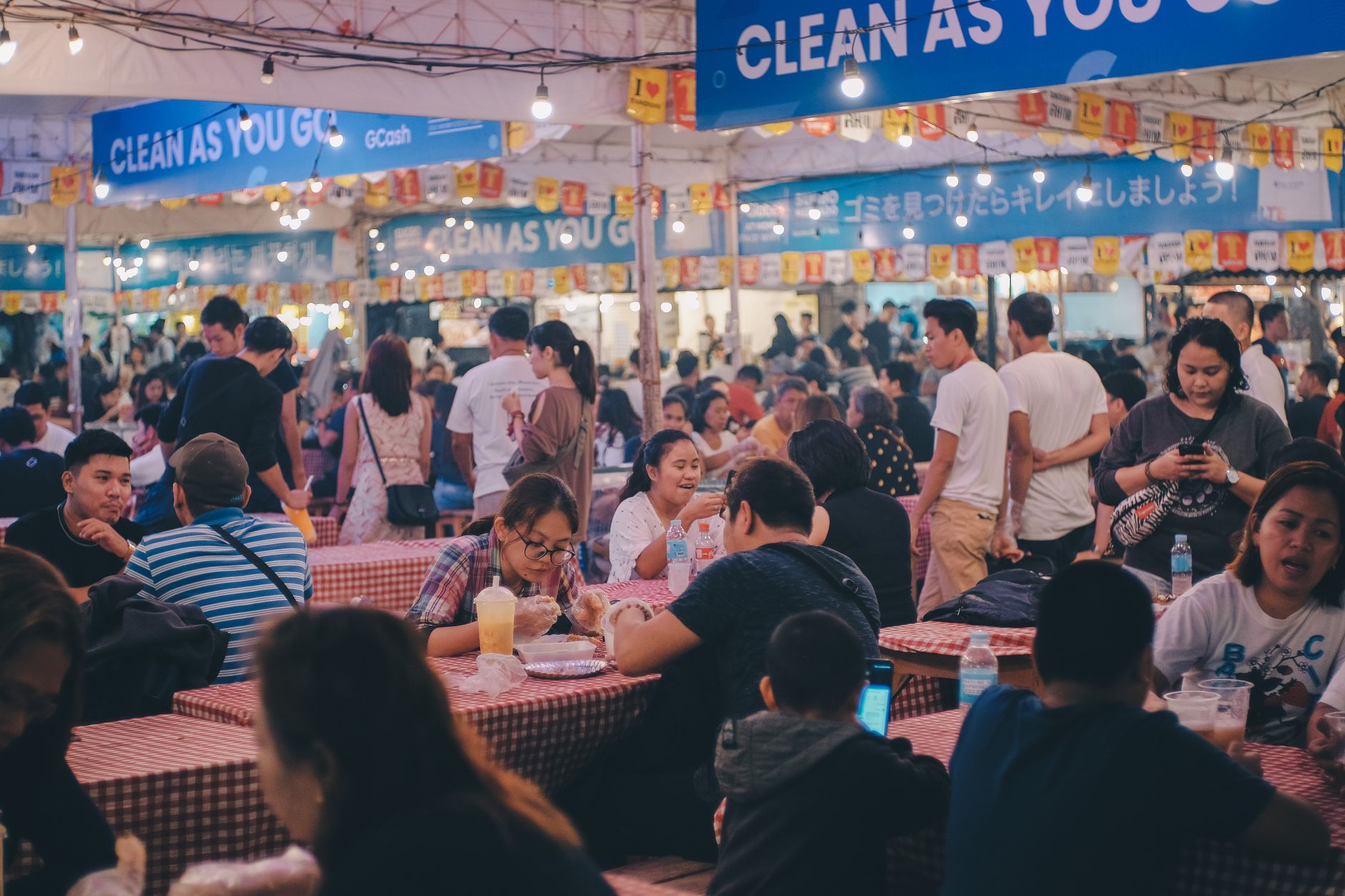
Street Food and Local Markets
In Cebu City, the Carbon Market serves as a busy center for fresh produce, seafood, and local delicacies. Here, you can experience the active atmosphere and sample dishes like "lechon" (roast pig) and "puso" (rice wrapped in coconut leaves) for under 100 PHP (about $2). While the market offers an authentic taste of Filipino culture, be cautious with food hygiene, as street vendors may not adhere to the same standards as restaurants.

Local markets are also a great place to find a variety of ingredients for home cooking. Fresh seafood is abundant, with prices for fish like "bangus" (milkfish) starting at 150 PHP per kilogram (about $3). However, retirees should be prepared for the lively and sometimes chaotic environment, which can be overwhelming for those used to more orderly shopping experiences.
Festivals and Cultural Events
The Philippines is known for its active festivals, such as the Sinulog Festival in Cebu, which attracts millions of visitors each January. This event celebrates the Santo Niño (Child Jesus) with street parades, traditional dances, and colorful costumes. Participating in these festivals offers retirees an opportunity to immerse themselves in local traditions and community spirit.

However, plan ahead, as accommodations can fill up quickly during major festivals, and prices may surge. Additionally, the crowded streets and intense heat during these events can be physically demanding. Retirees should consider their comfort and mobility when deciding how to participate.
Daily Life and Social Connections
In the Philippines, family and community play a central role in daily life. Many neighborhoods, like those in Quezon City, have a strong sense of community, with residents often gathering for "barangay" (village) meetings and social events. For retirees, this means ample opportunities to build social connections and engage with locals.
English is widely spoken, especially in urban areas, which can ease communication barriers. However, understanding local customs and etiquette is essential for smooth interactions. For instance, Filipinos often use indirect communication and value "pakikisama" (harmony), which may require some adjustment for newcomers.
Practical Comparison Table
| Decision Area | Practical Detail | Retirement Note | |---|---|---| | Monthly Cost | $1,200 - $1,500 | Budget for housing, food, and transportation | | Healthcare | Varying quality, especially outside urban areas | Verify access and private insurance needs | | Housing | Affordable options in cities like Cebu and Davao | Check lease terms and building quality | | Transportation | Jeepneys and tricycles are common | Assess comfort and accessibility | | Safety | Petty theft in crowded areas | Stay vigilant and secure belongings |
Healthcare, Visa, Tax, and Safety Notes
Healthcare access in the Philippines varies significantly. Major cities like Manila and Cebu have reputable hospitals, such as St. Luke's Medical Center and Chong Hua Hospital. However, facilities in rural areas may lack advanced equipment and specialized services. Private health insurance is advisable to ensure access to quality care.
Visa rules for retirees are relatively straightforward. The Special Resident Retiree's Visa (SRRV) offers a long-term option, but verify requirements and fees with the Philippine Retirement Authority. Tax obligations can be complex, as retirees may face double taxation. Consulting with a tax professional familiar with U.S. and Philippine tax laws is recommended.
Safety concerns include petty theft and occasional natural disasters. Retirees should stay informed about local conditions and develop an emergency plan, especially during typhoon season.
Common Mistakes Retirees Should Avoid
- Underestimating the language barrier, especially in rural areas.
- Not verifying the quality of healthcare facilities before settling.
- Overlooking the impact of local customs on daily interactions.
- Failing to plan for the high demand for accommodations during festivals.
- Ignoring the need for private health insurance.
- Assuming all areas have the same level of safety and security.
- Not budgeting for potential currency fluctuations.
Before You Move Checklist
- Verify visa or residency rules, especially the SRRV requirements.
- Research healthcare access and consider private insurance options.
- Understand U.S. and local tax obligations to avoid double taxation.
- Check rent and lease terms, focusing on building quality.
- Assess walkability and transportation options in your preferred area.
- Evaluate safety and emergency access, particularly during typhoon season.
- Consider language barriers and plan for potential communication challenges.
- Explore local customs and etiquette to ease cultural integration.
Frequently Asked Questions
What is the cost of living in the Philippines for retirees?
The cost of living in the Philippines can range from $1,200 to $1,500 per month, depending on lifestyle choices and location. Major expenses include housing, food, and transportation.
Is English widely spoken in the Philippines?
Yes, English is one of the official languages and is widely spoken, particularly in urban areas and by younger generations. This can help ease communication for retirees.
What are the healthcare options for retirees in the Philippines?
Major cities have reputable hospitals, but rural areas may have limited facilities. It's advisable to secure private health insurance for access to quality care.
How can I participate in local festivals?
Plan ahead for major festivals, as accommodations fill up quickly and prices can increase. Consider your comfort and mobility when deciding how to participate in events.
What should I know about safety in the Philippines?
Petty theft can occur in crowded areas, so stay vigilant and secure your belongings. Be aware of natural disasters and have an emergency plan in place.
Related Golden Horizons Guides
- Best Countries to Retire Abroad on a Budget
- Healthcare Abroad for American Retirees
- Retiring Abroad Checklist for Americans
- Visa Rules for Americans Retiring Abroad
About Golden Horizons
Golden Horizons helps Americans age 60+ compare retirement-abroad destinations using practical information about cost of living, healthcare, housing, visas, taxes, safety, walkability, and lifestyle. Our goal is to help readers avoid expensive mistakes before choosing where to live overseas.
Final Verdict
The Philippines offers a culturally immersive experience for retirees who value a vibrant community and diverse culinary scene. However, potential expats should be cautious of language barriers and healthcare quality, especially in more remote areas. It is crucial to verify local visa regulations and secure adequate private insurance. Consulting official resources and qualified professionals will help ensure a smooth transition.