Quick Taste
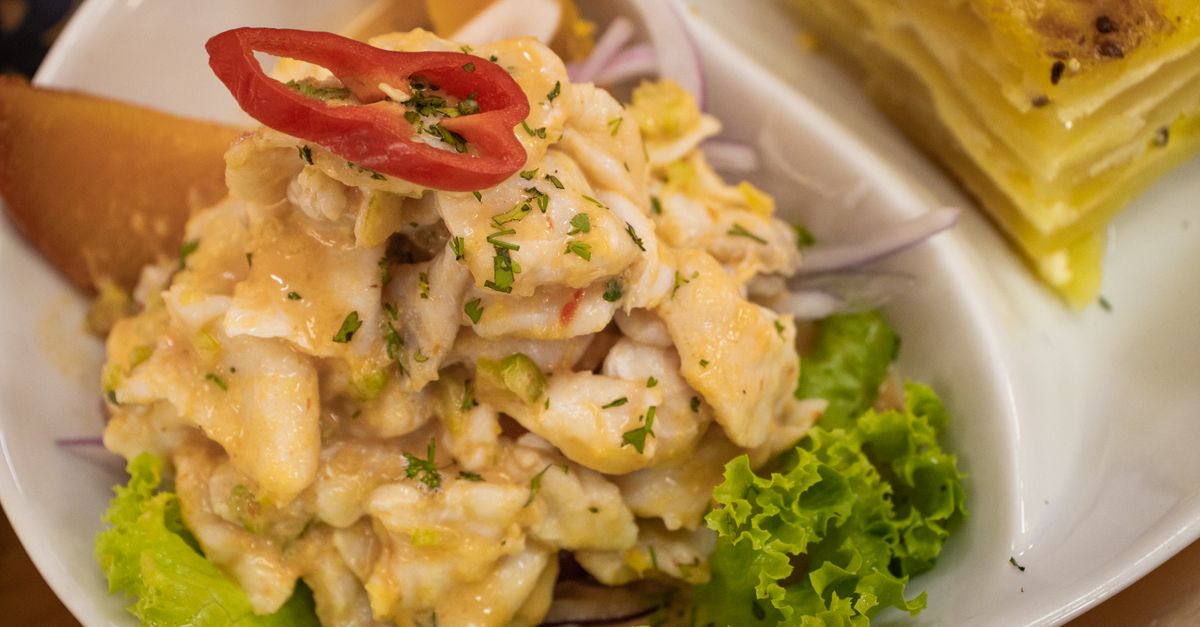
Ceviche in Lima is a refreshing dish with a blend of citrusy, spicy, and savory flavors. Miraflores is better for first-time visitors seeking convenience and variety, while Callao is ideal for those craving traditional flavor and larger portions. This Peruvian dish is typically made from fresh fish marinated in lime juice, spiced with ají peppers, and mixed with onions, cilantro, and corn. The result is a zesty experience that embodies the essence of Peru's coastal cuisine.
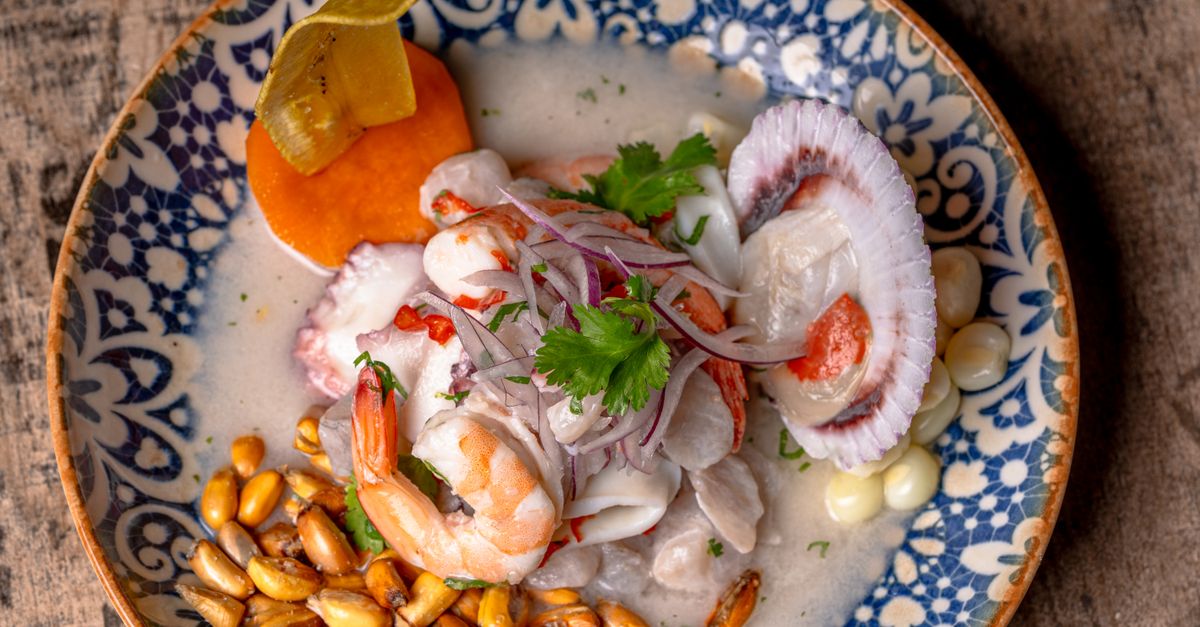
In Lima, ceviche is more than just a dish; it's a cultural symbol that showcases the city's food heritage. Visitors will encounter a variety of ceviche styles, including the classic fish ceviche and versions featuring seafood like shrimp or octopus. Served chilled, ceviche is often accompanied by sides such as sweet potatoes or cancha (toasted corn). The freshness of the fish is paramount, and the dish is typically enjoyed in the morning or early afternoon to ensure peak flavor.
The Story Behind the Dish
Ceviche has deep roots in Peru's history, with origins tracing back to pre-Columbian times. The dish evolved over centuries, influenced by the culinary practices of indigenous peoples and Spanish colonizers. The introduction of citrus fruits by the Spanish played a crucial role in shaping the modern version of ceviche, as lime juice became the primary agent for "cooking" the raw fish.
Lima, with its proximity to the Pacific Ocean, became the epicenter of ceviche culture. The city's coastal location provides an abundance of fresh seafood, making it the perfect setting for this dish. Over time, ceviche has become a symbol of Peruvian identity, celebrated annually on June 28th as National Ceviche Day. This day highlights the dish's significance in Peru's food landscape and its role in bringing people together over a shared love of fresh, flavorful food.
How Locals Eat It
In Lima, ceviche is traditionally enjoyed as a midday meal, often accompanied by a cold beer or a refreshing glass of chicha morada, a sweet purple corn drink. Locals typically consume ceviche at cevicherías, casual eateries specializing in seafood dishes. These establishments are popular for their lively atmosphere and focus on fresh ingredients.

Limeños (residents of Lima) prefer their ceviche with a balance of acidity and spice, achieved by using freshly squeezed lime juice and a touch of ají limo or rocoto peppers. The fish is usually cut into bite-sized pieces and marinated just long enough to absorb the flavors without losing its firm texture. While classic fish ceviche remains a favorite, variations incorporating shellfish, mixed seafood, or even vegetarian options with mushrooms or hearts of palm are gaining popularity.
Where to Find It
Miraflores, a lively district in Lima, is home to some of the city's most renowned cevicherías. Here, visitors can explore a range of dining options, from upscale restaurants to street-side vendors. La Mar, a popular spot in Miraflores, is known for its creative takes on traditional ceviche and consistently fresh ingredients.

For those seeking a more traditional experience, the port district of Callao offers a glimpse into Lima's ceviche culture. Local markets like Mercado Central de Callao provide an opportunity to savor ceviche in a lively, local setting. In Callao, cevicherías often serve generous portions at more affordable prices, making it a favorite among locals who appreciate the traditional flavor and hearty servings.
City vs. Countryside Flavor
The ceviche experience in Lima differs significantly from what one might find in Peru's countryside. In the city, ceviche is characterized by its refined presentation and a wide array of seafood options. Urban cevicherías often experiment with ingredients, offering twists on the traditional dish, such as incorporating exotic fruits or using different types of fish.
In contrast, countryside ceviche tends to be simpler and more rustic, focusing on the freshness of the fish and the purity of flavors. The countryside version often uses river fish and local herbs, providing a distinct taste reflective of the region's natural resources. While Lima's ceviche scene is diverse, the countryside offers a more straightforward, back-to-basics approach that highlights the core elements of the dish.
Cost, Portions, and Ordering Tips
Ceviche in Lima can range from modestly priced street food to more expensive gourmet offerings. In Miraflores, expect to pay around 40 to 60 soles for a well-prepared ceviche at a reputable restaurant. Portions are typically generous, but it’s wise to confirm portion sizes with the server, especially if sharing among a group.
When ordering, it's essential to specify your spice preference, as the level of heat can vary significantly. For those with dietary restrictions, many cevicherías offer gluten-free and vegetarian options. Always inquire about the freshness of the fish, as ceviche relies heavily on the quality of its ingredients. If you're visiting during peak hours, consider making a reservation to avoid long waits at popular spots.
What to Know Before You Try It
Before trying ceviche, it's important to understand that the dish is best consumed fresh. Limeños typically enjoy ceviche during lunch hours, as the fish is caught and prepared on the same day. Eating ceviche later in the day may compromise its freshness, so plan your visit accordingly.
For those unaccustomed to raw fish, the citrus marinade effectively "cooks" the fish, altering its texture and flavor. However, if you have concerns about raw seafood, consider starting with a mixed seafood ceviche, which often includes cooked elements like shrimp or octopus. Additionally, be mindful of potential allergies to ingredients such as shellfish or certain peppers.
Common Mistakes Visitors Make
One common mistake visitors make is underestimating the spiciness of Peruvian peppers. Ají limo and rocoto can pack quite a punch, so it's advisable to start with a milder version if you're sensitive to heat. Another error is assuming that all ceviche is made with the same type of fish. In Lima, different cevicherías may use various fish species, each offering a unique flavor profile.
Visitors should also avoid ordering ceviche too late in the day, as freshness is key to the dish's quality. Lastly, be cautious about where you choose to eat ceviche. While street vendors can offer delicious options, it's crucial to ensure the vendor follows proper hygiene practices to avoid any food safety issues.
Frequently Asked Questions
What types of fish are commonly used in Lima's ceviche?
In Lima, ceviche is often made with white fish such as sea bass, sole, or flounder. These fish are prized for their firm texture and ability to absorb the citrus marinade effectively. Some cevicherías also offer ceviche made with tuna or salmon, providing a different flavor experience.
Is ceviche safe to eat for those with seafood allergies?
Ceviche is not recommended for individuals with seafood allergies, as it typically contains raw fish or shellfish. However, some cevicherías offer vegetarian versions using ingredients like mushrooms or hearts of palm. Always inform the server of any allergies before ordering.
Can I find vegetarian ceviche options in Lima?
Yes, many cevicherías in Lima offer vegetarian ceviche options. These dishes often use ingredients like mushrooms, hearts of palm, or avocado in place of fish, marinated in the same citrus and spice blend to deliver the traditional ceviche flavor without seafood.
How can I tell if the ceviche is fresh?
Fresh ceviche should have a clean, ocean-like aroma and a firm texture. The fish should be translucent, not opaque, and the lime juice should be bright and acidic. If the ceviche has a fishy smell or mushy texture, it's best to avoid it.
Related Golden Horizons Guides
- Best Countries to Retire Abroad on a Budget
- Healthcare Abroad for American Retirees
- Retiring Abroad Checklist for Americans
- Visa Rules for Americans Retiring Abroad
About Golden Horizons
Golden Horizons is the retirement abroad magazine for Americans who aren’t done yet.
Final Bite
Ceviche in Lima offers a taste of Peru's coastal heritage, blending fresh seafood with flavors that are both invigorating and satisfying. Whether you explore the cevicherías of Miraflores or seek out traditional flavors in Callao, this dish is a worth trying for anyone visiting Peru's capital. Remember to enjoy it during the day for the freshest experience and embrace the diverse variations that make Lima's ceviche culture so dynamic. With each bite, you'll understand why ceviche holds a special place in the hearts of Peruvians and food enthusiasts alike.