Peru - Food, History, and Daily Culture in Peru — A Local's Perspective
Peru, a country with a population of over 33 million, presents a captivating combination of ancient traditions and modern vibrancy. Lima, its capital, is home to nearly 10 million people and serves as a center for exploring Peru's rich culinary scene and historical sites. This article will help you decide if Peru's food, history, and daily culture align with your retirement dreams.
Quick Take
- Best for: American retirees who want to immerse themselves in a rich cultural and historical environment.
- Monthly reality: Expect to budget around $1,500 to $2,000 for a comfortable lifestyle in urban areas like Lima or Cusco.
- Biggest advantage: Access to diverse and world-renowned cuisine.
- Biggest warning: Some areas may have limited access to healthcare facilities.
- Before moving: Verify visa, healthcare, tax, housing, and insurance rules with official sources or a qualified professional.
Exploring Peru's Culinary Scene
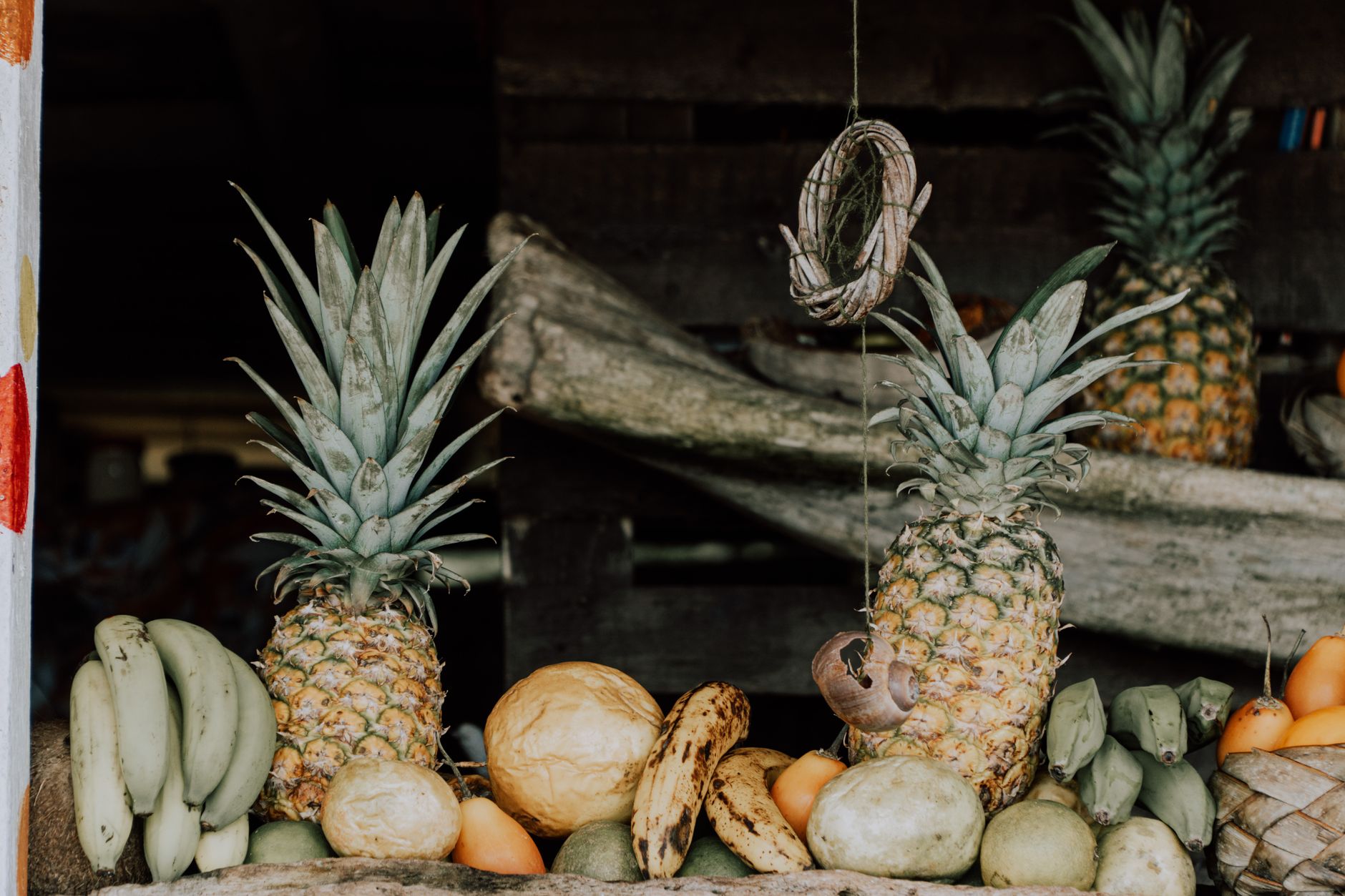
Peru's culinary scene is globally recognized, with Lima boasting several restaurants on the World's 50 Best Restaurants list. A meal at a mid-range restaurant might cost you around 60 Soles (about $15), offering a taste of Peru's diverse flavors. From ceviche to lomo saltado, Peruvian cuisine is a fusion of indigenous and international influences.

The San Isidro district in Lima is a food lover's paradise, featuring markets like Mercado de Productores, where you can find fresh local produce and ingredients. While urban areas offer a wide variety of dining options, rural regions might have limited access to such diversity.
Delving into Peru's Rich History
Peru's history is deeply intertwined with the legacy of the Inca Empire, and its remnants are scattered throughout the country. Machu Picchu, a UNESCO World Heritage site, is a must-visit for any history enthusiast. Entry fees to Machu Picchu are approximately $50, and it's wise to book tickets in advance due to its popularity.

Cusco, once the capital of the Inca Empire, offers a combination of Incan and Spanish colonial architecture. Walking through its streets, you'll find historical sites like the Qorikancha temple. However, the high altitude of Cusco (over 11,000 feet) can be challenging for some, necessitating acclimatization time.
Daily Life and Cultural Immersion
Daily life in Peru offers a combination of traditional and modern experiences. In cities like Lima, public transportation is affordable, with a bus ride costing around 1.50 Soles ($0.40). The Metropolitano bus system is a reliable option for getting around the city.
In smaller towns, walking is often the best way to explore, though roads may be less maintained. While Spanish is the official language, Quechua is also widely spoken, especially in the Andean regions. Learning basic Spanish will greatly enhance your daily interactions and cultural immersion.
Practical Comparison Table
| Decision Area | Practical Detail | Retirement Note | |---|---|---| | Monthly Cost | $1,500–$2,000 | Budget for urban living | | Healthcare | Limited in rural areas | Verify access before moving | | Housing | San Isidro, Lima | Check lease agreements carefully | | Transportation | Metropolitano bus in Lima | Reliable for city travel | | Safety | Varies by area | Research local safety conditions |
Healthcare, Visa, Tax, and Safety Notes
Before retiring to Peru, ensure you understand the healthcare system. While major cities have reputable hospitals, rural areas may lack adequate facilities. Consider private health insurance to cover any gaps in care.
Visa requirements for retirees can change, so consult with Peruvian immigration authorities or a qualified professional. Understand both U.S. and Peruvian tax obligations to avoid unexpected liabilities.
Safety varies by region; urban areas like Lima have neighborhoods with varying safety levels. Walkability is generally good in city centers, but always verify local conditions.
Common Mistakes Retirees Should Avoid
- Underestimating the language barrier; Spanish proficiency is beneficial.
- Assuming healthcare quality is uniform across the country.
- Not acclimatizing to high altitudes in regions like Cusco.
- Overlooking the need for private health insurance.
- Failing to verify lease agreements and housing conditions.
- Ignoring local safety advisories and conditions.
- Neglecting to understand local tax obligations.
Before You Move Checklist
- Verify visa or residency rules.
- Assess healthcare access and private insurance needs.
- Understand tax obligations in both the U.S. and Peru.
- Confirm rent and lease terms in desired neighborhoods.
- Evaluate walkability and transportation options.
- Research local safety conditions.
- Consider language barriers and learning basic Spanish.
- Check emergency access and services.
- Plan visits to historical sites and cultural events.
- Explore local markets and culinary offerings.
Frequently Asked Questions
Do I need to speak Spanish to live in Peru?
While many Peruvians in urban areas speak some English, knowing basic Spanish will greatly improve your daily interactions and cultural experiences.
What is the healthcare situation in Peru for retirees?
Healthcare in Peru varies significantly between urban and rural areas. Major cities have good facilities, but rural areas may require travel for adequate care. Private insurance is advisable.
Is it safe to live in Peru as a retiree?
Safety in Peru varies by region. Urban areas like Lima have neighborhoods with different safety profiles, so it's important to research and choose wisely.
Related Golden Horizons Guides
- Best Countries to Retire Abroad on a Budget
- Healthcare Abroad for American Retirees
- Retiring Abroad Checklist for Americans
- Visa Rules for Americans Retiring Abroad
About Golden Horizons
Golden Horizons helps Americans age 60+ compare retirement-abroad destinations using practical information about cost of living, healthcare, housing, visas, taxes, safety, walkability, and lifestyle. Our goal is to help readers avoid expensive mistakes before choosing where to live overseas.
Final Verdict
Peru presents a vibrant mix of culture, history, and culinary excellence, making it an attractive option for retirees seeking enrichment. However, retirees should be cautious about healthcare access, especially in rural areas, and ensure they understand visa, tax, and safety dynamics by consulting professionals. Always verify official rules and conditions for the most current requirements.