Panama - Food, Festivals, and Daily Life Culture in Panama
Panama, with its lush landscapes and thriving urban centers, offers a vibrant mix of cultures that retirees find both exciting and comforting. Known for its strategic position as the crossroads of the Americas, this country is a melting pot of traditions, cuisines, and festivals that promise an enriching retirement experience. For those looking to immerse themselves in a tropical paradise with a budget-friendly lifestyle, Panama presents an inviting option.
Why Retire Here
Panama City, with its modern skyline and historic districts, offers a unique blend of cosmopolitan and colonial charm. The Casco Viejo, a UNESCO World Heritage site, is a delightful neighborhood where cobblestone streets lead you past beautifully restored Spanish colonial buildings. Here, retirees can enjoy a leisurely pace, sipping coffee at a local café while watching the world go by. The city’s vibrant arts scene, with its galleries and theaters, provides plenty of opportunities to engage with local culture.
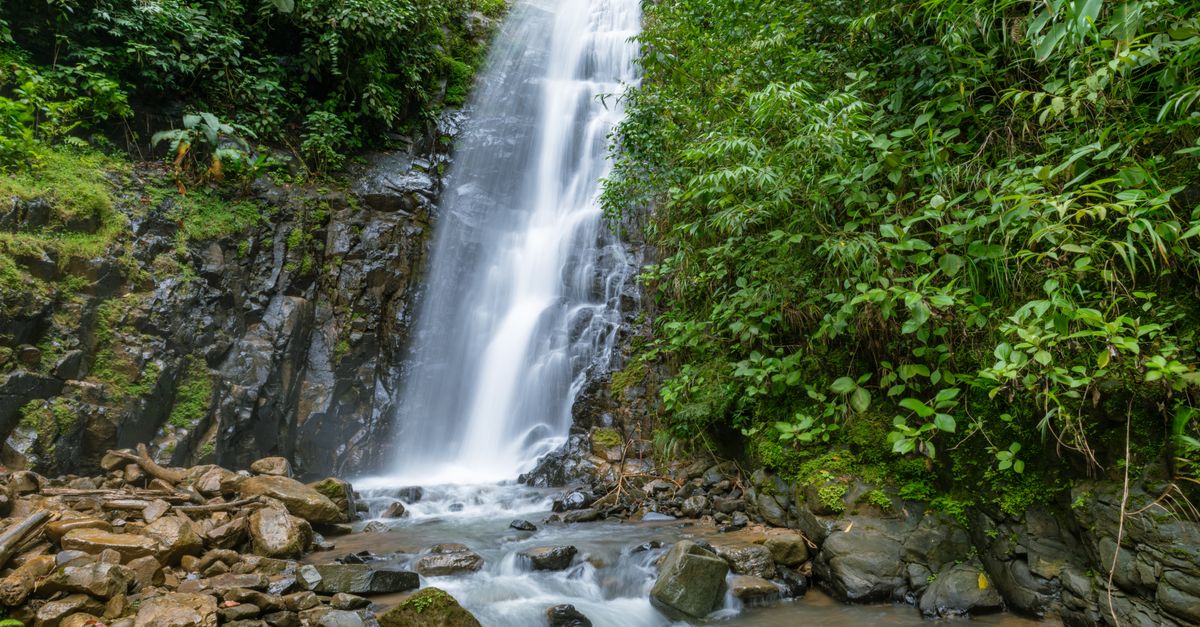
Beyond the city, the countryside and coastal regions offer tranquil retreats. The highlands of Boquete, known for their coffee plantations and cooler climate, are a favorite among expats. This region is perfect for nature lovers who enjoy hiking and birdwatching. The nearby Caldera River offers a picturesque backdrop for picnics and leisurely walks. On the other hand, the beach towns of Coronado and Pedasí provide sandy shores and ocean breezes, ideal for those who prefer coastal living.
Panama's cultural tapestry is woven with colorful festivals and traditional celebrations. The annual Carnival is a highlight, featuring parades, music, and dancing that fill the streets with joy and excitement. Throughout the year, smaller local festivals celebrate everything from religious events to the harvest season, offering retirees a chance to participate in community life and learn more about the local customs and traditions.
Practical Tips
Retiring to Panama is relatively straightforward, especially with the Pensionado Visa, which is designed specifically for retirees. This visa requires proof of a monthly income of at least $1,000 from a qualified pension or retirement fund. It offers numerous benefits, including discounts on entertainment, travel, and healthcare, making it an attractive option for retirees.

Safety in Panama is generally good, especially in expat-friendly neighborhoods like El Cangrejo in Panama City or the quaint town of Boquete. These areas offer a sense of community and security, with many amenities within walking distance. It's always advisable to stay informed about local conditions and take common-sense precautions, just as you would anywhere else in the world.
While Spanish is the official language, English is widely spoken in many areas frequented by expats. Learning some basic Spanish phrases can enhance your experience and help you connect more deeply with locals. Many communities offer language classes, which can be a great way to meet people and integrate into the local culture. The expat community in Panama is active and welcoming, providing plenty of opportunities to socialize and find support.
Cost & Healthcare
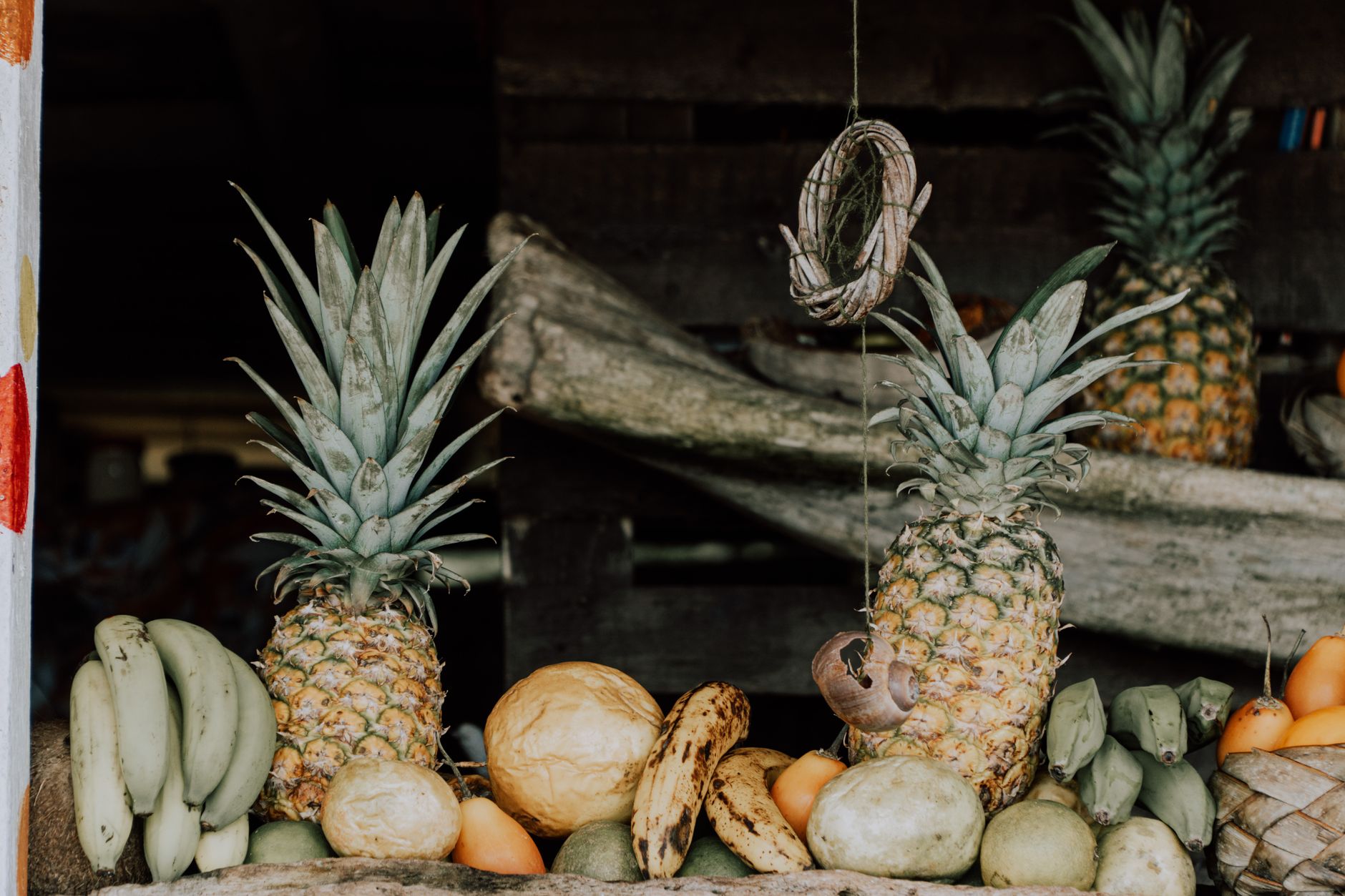
Living in Panama can be quite affordable, with a monthly budget of $2,000–$5,000 providing a comfortable lifestyle. Rent varies depending on location; a modern apartment in Panama City might cost between $800 and $1,500 per month, while more rural areas like Boquete offer lower rental prices, often starting at $500. Groceries and dining out are reasonably priced, with local markets offering fresh produce at lower costs.

Transportation in Panama is efficient and inexpensive. The Metro in Panama City provides a quick and affordable way to navigate the city, while buses and taxis are readily available throughout the country. For those who prefer to drive, car rentals and gas are reasonably priced, though many retirees find public transport sufficient for their needs.
Healthcare in Panama is both affordable and high-quality, with many doctors trained in the U.S. or Europe. The country offers a mix of public and private healthcare facilities, with private hospitals in Panama City providing excellent care. Health insurance is recommended, and many expats choose international plans that cover a range of services. Prescription medications are also generally less expensive than in the U.S., contributing to the overall affordability of living in Panama.
Retiring in Panama offers a rich tapestry of experiences, from vibrant city life to peaceful countryside retreats. With its affordable cost of living, warm climate, and welcoming communities, it’s no wonder that Panama continues to be a top choice for American retirees.