Quick Taste
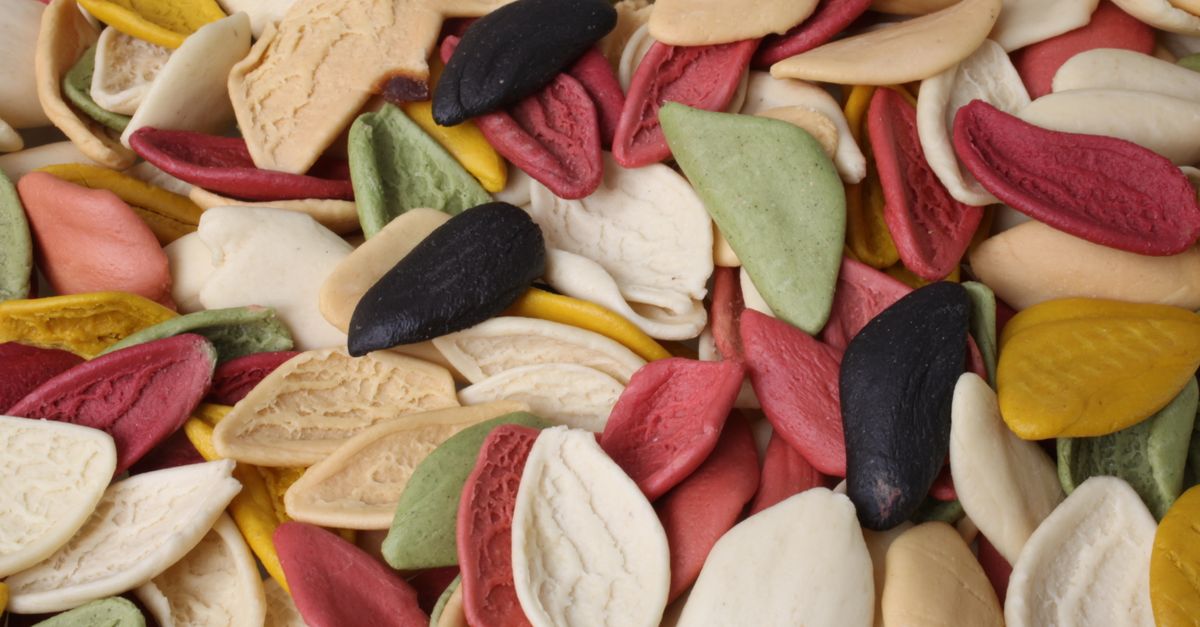
In the sun-drenched streets of Salento, Italy, you can watch as grandmothers deftly shape orecchiette, the region's ear-shaped pasta, right on their doorsteps. This pasta, with its ridged texture and slight chew, is traditionally served with a simple sauce of broccoli rabe, garlic, and chili flakes, offering a popular combination of flavors. As you stroll through the cobblestone streets, the aroma of fresh pasta and simmering sauce beckons you to taste this local staple. Expect to pay around EUR 8-12 for a generous plate at a neighborhood trattoria, making it an affordable delight for those dreaming of an extended stay in this pleasant region.

The Story Behind the Dish
Orecchiette, which translates to "little ears" in Italian, has been a staple in the Puglia region for centuries, with its origins tracing back to medieval times. The pasta's unique shape is designed to hold sauces perfectly, making it a versatile base for many dishes. In Salento, the tradition of making orecchiette is passed down through generations, with grandmothers often seen sitting outside their homes, expertly crafting each piece by hand. This practice not only keeps the tradition alive but also serves as a communal activity, where stories are shared and bonds are strengthened over the rhythmic creation of pasta.
How Locals Eat It
In Salento, orecchiette is most commonly paired with cime di rapa, or broccoli rabe, which grows abundantly in the region. The slightly bitter greens are sautéed with garlic and chili flakes, then tossed with the pasta to create a dish that's both comforting and flavorful. Locals often enjoy this meal as a leisurely lunch, accompanied by a glass of local Primitivo wine. You might also find orecchiette served with a rich tomato sauce or topped with a sprinkle of ricotta salata, showcasing the pasta's versatility. In true Italian fashion, meals are enjoyed slowly, with family and friends gathered around the table.
Where to Find It
For a truly traditional experience, head to the local markets in towns like Lecce or Gallipoli, where vendors sell freshly made orecchiette by the kilo. These markets also offer an array of seasonal produce, perfect for crafting your own sauce at home. If dining out, look for small, family-run trattorias that pride themselves on traditional recipes. These establishments often feature orecchiette as a highlight on their menus. Avoid the tourist-heavy areas where prices can be inflated, and instead, explore the quieter neighborhoods where locals dine. Here, you'll find both the pasta and the experience to be more genuine and affordable.

Regional Variations
While orecchiette with broccoli rabe is the most well-known pairing, the pasta is versatile enough to adapt to different ingredients across the region. In coastal areas, you might find it served with fresh seafood, such as mussels or clams, adding a briny twist to the dish. In the countryside, variations include hearty ragùs made with local meats, reflecting the agricultural bounty of the area. Some families add a touch of anchovy to the sauce for an extra depth of flavor, while others might incorporate seasonal vegetables like zucchini or eggplant. Each variation tells a story of the local landscape and the creativity of its cooks.
Cost, Portions, and Ordering Tips
A typical serving of orecchiette in a local trattoria will cost between EUR 8-12, depending on the sauce and accompaniments. Portions are generous, often enough to satisfy even the heartiest appetite. When ordering, don't hesitate to ask for recommendations on wine pairings, as the local reds and whites complement the flavors beautifully. If you're purchasing orecchiette from a market, expect to pay around EUR 4-6 per kilo, a cost-effective option for those planning to cook at home. Remember that prices can vary slightly depending on the season and location.
What to Know Before You Try It
Before diving into a plate of orecchiette, it's helpful to know a bit about Italian dining customs. Meals are a leisurely affair, so take your time and enjoy the experience. In Salento, pasta is typically served as a primo piatto, or first course, followed by a main dish and dessert. If you're cooking at home, be sure to use plenty of salted water when boiling the pasta, as this enhances its flavor. Also, don't be afraid to experiment with different sauces and ingredients, as the pasta's shape makes it ideal for holding a variety of flavors.
Common Mistakes Visitors Make
One common mistake visitors make is assuming all pasta is the same. Orecchiette's unique shape and texture require specific cooking techniques to achieve the perfect bite. Overcooking can lead to mushy pasta, so be sure to follow local advice on cooking times. Another mistake is sticking solely to tourist areas for dining. While these spots may offer convenience, they often lack the traditionality and quality found in local neighborhoods. Finally, don't shy away from trying variations of the dish. Experimenting with different sauces and accompaniments can lead to delightful findies.
Frequently Asked Questions
What is the best way to cook orecchiette?
To cook orecchiette, bring a large pot of salted water to a boil, add the pasta, and cook for about 10-12 minutes until al dente. The pasta should have a slight chew without being too firm.
Can I find gluten-free orecchiette in Salento?
Yes, many local markets and specialty shops offer gluten-free versions of orecchiette. These are typically made with rice or corn flour, providing a similar texture to the traditional pasta.
What wine pairs well with orecchiette?
Orecchiette pairs beautifully with local wines. A crisp white like Fiano complements lighter sauces, while a robust Primitivo red enhances the flavors of richer, meat-based sauces.
Is it possible to take a pasta-making class in Salento?
Absolutely! Many cooking schools and local chefs offer pasta-making classes where you can learn to craft orecchiette by hand and enjoy a meal afterward. It's a fantastic way to immerse yourself in the local culture.
Related Golden Horizons Guides
- Best Countries to Retire Abroad on a Budget
- Healthcare Abroad for American Retirees
- Retiring Abroad Checklist for Americans
- Visa Rules for Americans Retiring Abroad
About Golden Horizons
Golden Horizons is the retirement abroad magazine for Americans who aren't done yet.
Final Bite
Orecchiette in Salento offers more than just a meal; it's a glimpse into the heart of Italian culture, where food, family, and tradition are intertwined. For those considering a longer stay or even retirement in Italy, this experience is a delightful way to test the waters of everyday life in a region where time slows down and flavors linger. Visit, taste, and imagine the possibilities.