Morocco - Food, Souks, and Daily Culture in Morocco — A Local's Perspective
In Marrakesh, a meal at a local restaurant can cost as little as $3, offering retirees an affordable way to savor authentic Moroccan cuisine daily. The busy souks are not just a tourist attraction; they're the heart of local commerce and culture, where bargaining is a skill and a way of life. However, the active streets can be overwhelming for those unaccustomed to the pace. This article will help you decide if the variety of Moroccan food, markets, and daily life aligns with your retirement dreams.
Quick Take
- Best for: American retirees who want an immersive cultural experience with affordable living.
- Monthly reality: Expect to spend around $1,200 to $1,500 per month for a comfortable lifestyle.
- Biggest advantage: Low cost of living with rich cultural experiences.
- Biggest warning: Language barriers and cultural differences can be challenging.
- Before moving: Verify visa, healthcare, tax, housing, and insurance rules with official sources or a qualified professional.
Exploring Moroccan Cuisine
A typical meal in Morocco might start with a hearty bowl of harira, a traditional soup, costing about $0.50 at a local eatery. Tagine, a slow-cooked stew, is a staple, often priced at $2 to $5 depending on the ingredients. Street food is abundant, with vendors selling everything from kebabs to fresh orange juice for less than $1.

Moroccan cuisine is deeply rooted in the use of spices like cumin, saffron, and cinnamon, which can be found in abundance at local markets such as the Jemaa el-Fnaa in Marrakesh. However, those with dietary restrictions might find it challenging to understand menus that heavily feature meat and bread.
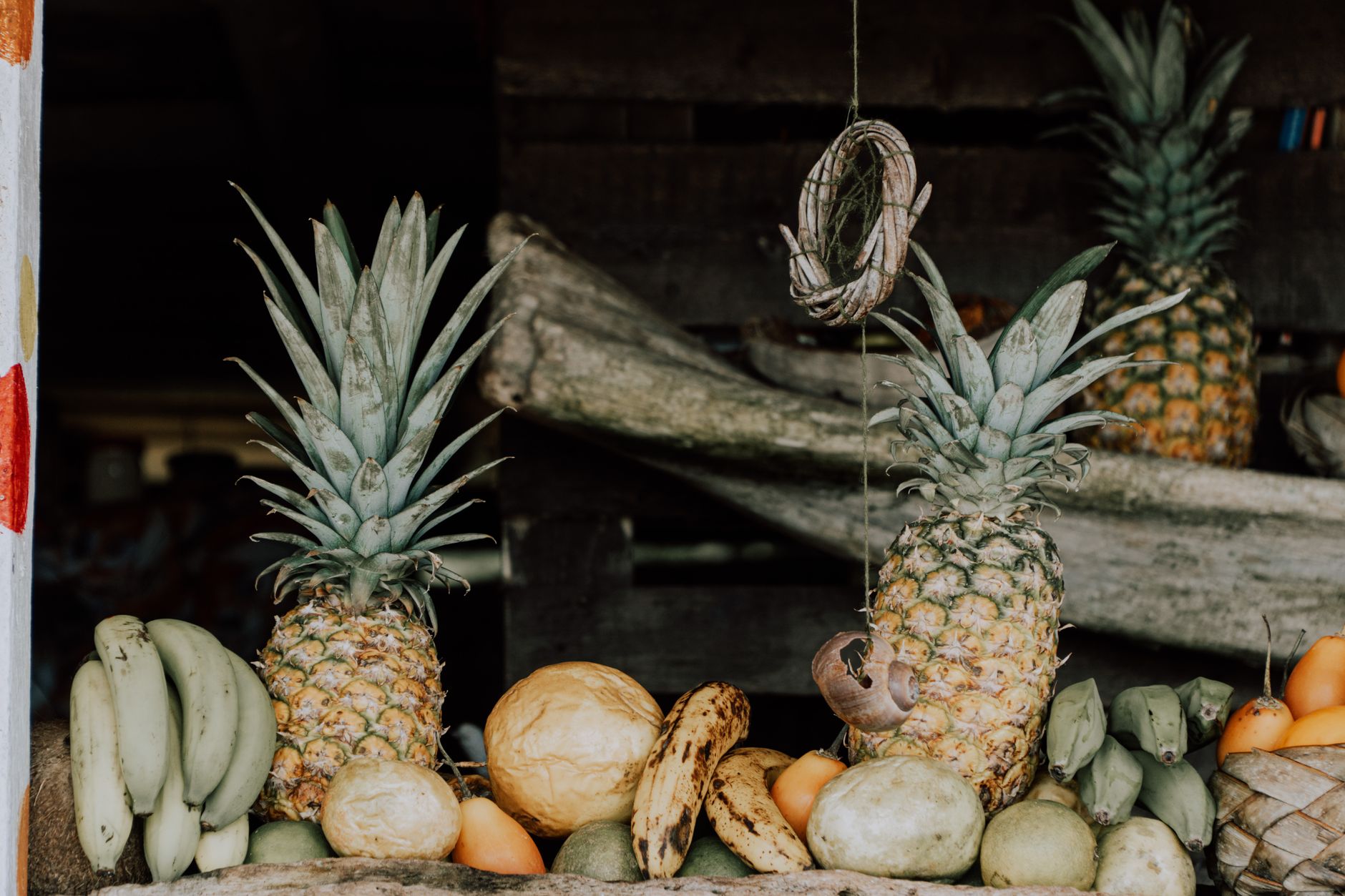
While dining out is affordable, cooking at home can be even cheaper. Fresh produce is available at local souks, where you can haggle for a week's worth of vegetables for under $10. However, be prepared for the busy chaos of these markets, which can be overwhelming at first.
Visiting the Souks
The souks of Morocco are legendary, with Marrakesh's Medina being one of the most famous. Here, you can find everything from traditional rugs and ceramics to spices and leather goods. Bargaining is expected, and prices can vary significantly, so honing your negotiation skills is crucial.

For those unfamiliar with the culture, the activity of the souks can be intense. Vendors are persistent, and the narrow alleyways can feel like a maze. Visiting with a local or guide initially is wise to get your bearings and avoid feeling overwhelmed.
Safety is generally not a concern, but being aware of pickpockets in crowded areas is important. The souks are a sensory overload, filled with the scents of spices and the sounds of haggling, offering a truly immersive experience. However, the lack of fixed prices can be a challenge for those used to straightforward transactions.
Daily Life and Cultural Considerations
Moroccan daily life combines tradition and modernity. In cities like Casablanca and Rabat, you'll find traditional Moroccan architecture alongside modern amenities. Public transportation is available, but many retirees prefer walking or using taxis, which are affordable but require negotiation on fare.
Healthcare in Morocco is accessible, with private clinics in major cities offering services comparable to Western standards. However, rural areas may lack quality facilities, so proximity to urban centers is advisable for retirees requiring regular medical attention.
Language can be a barrier, as Arabic and French are the primary languages. English is not widely spoken outside tourist areas, so learning basic French or Arabic is beneficial. Additionally, understanding cultural norms, such as dress codes and social customs, is crucial for integration.
Practical Comparison Table
| Decision Area | Practical Detail | Retirement Note | |---|---|---| | Monthly Cost | $1,200–$1,500 | Budget for dining, shopping, and utilities | | Healthcare | Private clinics in cities | Verify insurance coverage and accessibility | | Housing | Affordable rentals in urban areas | Check lease terms and building conditions | | Transportation | Taxis and public transport | Consider walkability and negotiation skills | | Safety | Pickpocketing in crowded areas | Stay vigilant in markets and public spaces |
Healthcare, Visa, Tax, and Safety Notes
Before moving to Morocco, verify healthcare access, especially if you have specific medical needs. Private health insurance is recommended to ensure access to quality care. Visa requirements can vary, so consulting with the Moroccan consulate or a qualified immigration lawyer is advisable to understand residency options.
Tax obligations should be reviewed with a professional familiar with both U.S. and Moroccan tax laws to avoid double taxation. Safety in Morocco is generally good, but remaining cautious in crowded places and unfamiliar areas is wise. Walkability varies by city, with some areas more pedestrian-friendly than others.
Common Mistakes Retirees Should Avoid
- Underestimating the language barrier; learning basic French or Arabic is helpful.
- Failing to negotiate prices in souks, leading to overpaying.
- Not verifying healthcare facilities and insurance needs before moving.
- Assuming all areas have the same level of safety and amenities.
- Overlooking cultural norms and dress codes, which can cause discomfort.
- Not budgeting for unexpected expenses, such as repairs or medical emergencies.
- Ignoring visa and residency requirements, leading to legal issues.
Before You Move Checklist
- Understand visa or residency rules thoroughly.
- Research healthcare access and private insurance options.
- Verify tax obligations in both the U.S. and Morocco.
- Check rent and lease terms carefully.
- Assess walkability and transportation options in your chosen area.
- Evaluate safety in potential neighborhoods.
- Learn basic French or Arabic to ease communication.
- Explore cultural norms and etiquette to ensure smooth integration.
- Determine emergency access and proximity to hospitals or clinics.
- Plan for potential language barriers in daily interactions.
Frequently Asked Questions
Is healthcare in Morocco reliable for retirees?
Healthcare in major Moroccan cities is reliable, with private clinics offering good services. However, it's crucial to have private health insurance and verify the proximity of quality facilities to your home.
How affordable is living in Morocco for retirees?
Living in Morocco can be very affordable, with monthly expenses ranging from $1,200 to $1,500. This includes housing, food, and other daily necessities, but costs can vary based on lifestyle and location.
What are the main cultural challenges for American retirees in Morocco?
Language barriers and understanding local customs can be significant challenges. Learning basic French or Arabic and familiarizing yourself with cultural norms will help ease the transition.
Related Golden Horizons Guides
- Best Countries to Retire Abroad on a Budget
- Healthcare Abroad for American Retirees
- Retiring Abroad Checklist for Americans
- Visa Rules for Americans Retiring Abroad
About Golden Horizons
Golden Horizons helps Americans age 60+ compare retirement-abroad destinations using practical information about cost of living, healthcare, housing, visas, taxes, safety, walkability, and lifestyle. Our goal is to help readers avoid expensive mistakes before choosing where to live overseas.
Final Verdict
Morocco offers an affordable and culturally rich retirement option for those looking to immerse themselves in a new lifestyle. It's ideal for retirees who are open to learning a new language and can adapt to a different pace of life. However, due diligence in verifying healthcare options, visa requirements, and understanding local customs is essential. Retirees should consult with professionals to ensure a smooth transition to Moroccan life.