Quick Taste
Couscous and tajine are essential dishes in Morocco, known for their aromatic flavors and comforting textures. Couscous offers a fluffy, grainy texture, while tajine provides a hearty, aromatic stew experience. Marrakech is ideal for those seeking lively food markets and a variety of spices, while Fez is better for traditional flavors and a more intimate dining atmosphere. Both cities offer distinct experiences, catering to different preferences in taste, ambiance, and culinary exploration.
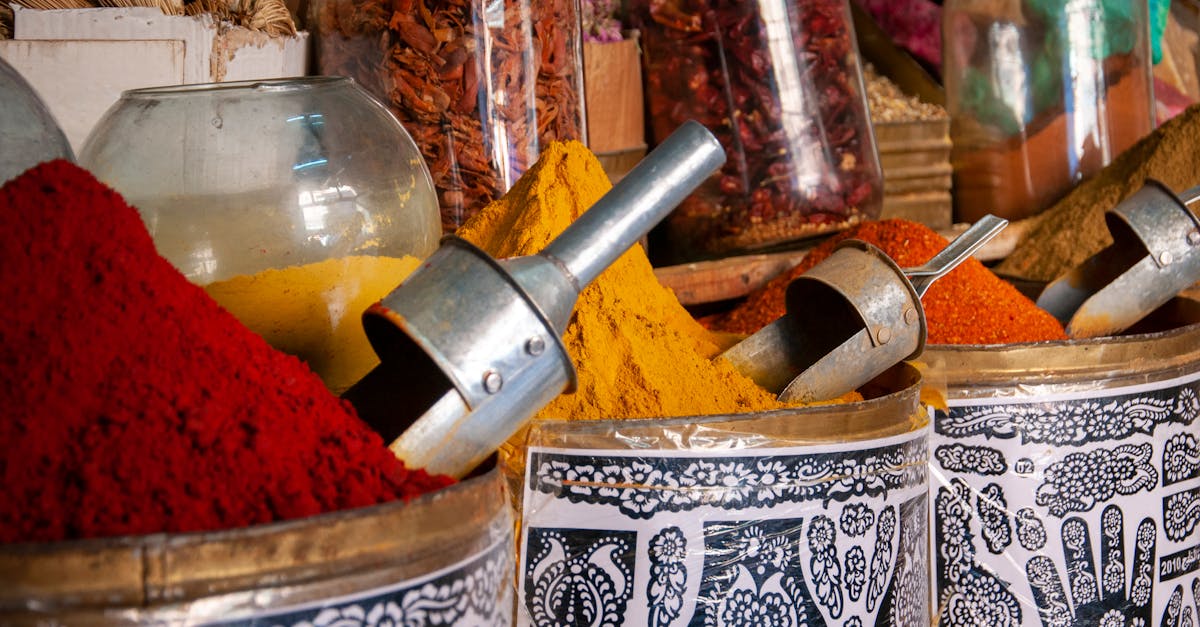
In Marrakech, couscous is often served with an array of vegetables and meats, accompanied by a spicy harissa sauce. The couscous here is typically light and fluffy, with a subtle nutty flavor. Tajines in Marrakech are known for their complex spice blends, featuring saffron, cinnamon, and cumin. Visitors will encounter a lively dining scene, with lively souks and street vendors offering a wide array of choices. In Fez, couscous is often prepared with more traditional ingredients, such as lamb and seasonal vegetables, providing a heartier, more rustic taste. Tajines in Fez are usually cooked slowly, allowing the flavors to meld together, resulting in a dish that is deeply savory and aromatic. The dining experience in Fez tends to be more intimate, with smaller, family-run establishments offering a genuine taste of Moroccan hospitality.
The Story Behind the Dish
Couscous and tajine have deep roots in Moroccan culture, with origins tracing back centuries. Couscous is believed to have originated with the Berbers, the indigenous people of North Africa, who used semolina wheat to create this staple dish. It has since become a symbol of Moroccan hospitality and is often served during special occasions and family gatherings. Tajine, named after the earthenware pot in which it is cooked, is a slow-cooked stew that combines meat, vegetables, and a blend of spices. This method of cooking allows for the flavors to develop over time, resulting in a richly aromatic dish that is both comforting and satisfying.
In Morocco, couscous and tajine are more than just meals; they represent a way of life. The preparation of these dishes is often a communal activity, with families gathering to share in the process and enjoy the fruits of their labor together. This sense of community and tradition is evident in both Marrakech and Fez, where locals take pride in their food heritage and are eager to share it with visitors. The differences in preparation and presentation between the two cities reflect the diverse influences that have shaped Moroccan cuisine over the centuries, from Arab to Berber to Andalusian.
How Locals Eat It
In Marrakech, couscous is typically enjoyed on Fridays, a day of rest and prayer in the Islamic calendar. It is often served as a communal dish, with family and friends gathering around a large platter to share the meal. The couscous is usually topped with a variety of vegetables, such as carrots, zucchini, and turnips, along with tender pieces of lamb or chicken. A spicy harissa sauce is often served on the side, allowing diners to adjust the heat to their liking. Tajines in Marrakech are often enjoyed with freshly baked khobz, a traditional Moroccan bread that is perfect for soaking up the flavorful sauce.

In Fez, the approach to eating couscous and tajine is more traditional and relaxed. Meals are often enjoyed at home with family, with each member contributing to the preparation of the dish. Couscous in Fez is typically served with lamb or beef, and the vegetables are often seasoned with a blend of spices that includes saffron, ginger, and turmeric. Tajines in Fez are known for their slow-cooked, deeply flavored sauces, which are perfect for dipping bread into. The dining experience in Fez is often more intimate, with smaller gatherings and a focus on enjoying the flavors and textures of the dish.
Where to Find It
In Marrakech, the best places to enjoy couscous and tajine are often found in the lively markets and street food stalls. The Jemaa el-Fnaa square is a popular spot for tourists and locals alike, offering a wide variety of food options and a lively atmosphere. Here, visitors can find vendors selling freshly prepared couscous and tajine, often cooked right in front of them. For a more upscale experience, the medina offers a range of restaurants that specialize in traditional Moroccan cuisine, providing a more refined dining experience.

Fez, on the other hand, is known for its smaller, family-run establishments that offer a more intimate dining experience. The medina in Fez is home to a number of lesser-known spots, where visitors can enjoy traditional couscous and tajine in a cozy setting. These establishments often use traditional recipes that have been passed down through generations, ensuring a genuine taste of Moroccan cuisine. Additionally, the local markets in Fez offer a variety of fresh ingredients, allowing visitors to try their hand at preparing these dishes themselves.
City vs. Countryside Flavor
The flavors of couscous and tajine can vary significantly between the lively cities of Marrakech and Fez and the more rural areas of Morocco. In the cities, the dishes tend to be more elaborate, with a wider variety of ingredients and spices. Marrakech, in particular, is known for its bold flavors and popular colors, with dishes often featuring a mix of sweet and savory elements. The use of spices such as saffron, cinnamon, and cumin is common, giving the dishes a rich and complex flavor profile.
In contrast, the countryside offers a more rustic and traditional approach to these dishes. The ingredients used are often sourced locally, with a focus on seasonal produce and meats. The flavors are typically more subtle, allowing the natural taste of the ingredients to shine through. In rural areas, couscous is often prepared with simple vegetables and meats, while tajines are cooked slowly over an open flame, resulting in a dish that is both hearty and comforting. This difference in flavor and preparation reflects the diverse food landscape of Morocco, offering visitors a unique taste experience depending on their location.
Cost, Portions, and Ordering Tips
When dining in Marrakech, couscous and tajine are generally affordable, with prices ranging from 50 to 150 Moroccan dirhams, depending on the location and ingredients used. Street food vendors and local eateries offer generous portions at reasonable prices, making it easy for visitors to sample a variety of dishes without breaking the bank. For those looking for a more upscale dining experience, the medina offers a range of restaurants where prices can be higher, but the quality and presentation of the dishes are often worth the extra cost.
In Fez, the cost of couscous and tajine is similar, with prices typically ranging from 40 to 120 Moroccan dirhams. The portions are often generous, with dishes designed to be shared among family and friends. When ordering, it's important to specify any dietary restrictions or preferences, as some dishes may contain ingredients such as nuts or dairy. For those looking to try their hand at cooking these dishes themselves, the local markets offer a variety of fresh ingredients at reasonable prices, allowing visitors to create their own Moroccan feast.
What to Know Before You Try It
Before trying couscous and tajine in Morocco, it's important to be aware of the cultural significance of these dishes and the customs surrounding their preparation and consumption. Both dishes are often served as part of a communal meal, with diners encouraged to share and enjoy the experience together. This sense of community is an integral part of Moroccan dining culture, and visitors should be prepared to embrace it.
In terms of dietary considerations, couscous is made from semolina wheat, making it unsuitable for those with gluten sensitivities. Tajines can vary in their ingredients, so it's important to inquire about any potential allergens or dietary restrictions before ordering. Additionally, the level of spice in these dishes can vary, so those with a low tolerance for heat should request a milder version or ask for the harissa sauce to be served on the side. Finally, it's worth noting that Moroccan meals are often accompanied by mint tea, a refreshing and aromatic beverage that complements the flavors of the dishes perfectly.
Common Mistakes Visitors Make
One common mistake visitors make when trying couscous and tajine in Morocco is not fully embracing the communal dining experience. These dishes are meant to be shared, and diners are encouraged to eat with their hands, using bread to scoop up the food. This can be a bit daunting for those unfamiliar with the practice, but it's an essential part of the experience and should be embraced.
Another mistake is underestimating the variety of flavors and ingredients used in these dishes. While couscous and tajine may seem simple at first glance, they are often prepared with a complex blend of spices and ingredients that can vary significantly from one region to another. Visitors should be open to trying different variations and exploring the diverse flavors that Moroccan cuisine has to offer. Additionally, it's important to be mindful of portion sizes, as the generous servings can be quite filling. It's always a good idea to start with a smaller portion and order more if needed.
Frequently Asked Questions
What is the main difference between couscous in Marrakech and Fez?
The main difference lies in the preparation and flavor profile. In Marrakech, couscous is often prepared with a variety of vegetables and spices, offering a more popular and complex flavor. In Fez, the dish tends to be more traditional, with simpler ingredients and a focus on hearty, rustic flavors.
Are there vegetarian options for couscous and tajine in Morocco?
Yes, both couscous and tajine can be prepared as vegetarian dishes. In Marrakech and Fez, many restaurants offer vegetarian versions that include a variety of seasonal vegetables and spices. It's always a good idea to ask about vegetarian options when ordering.
How spicy are Moroccan couscous and tajine dishes?
The level of spice can vary depending on the region and the cook. In general, Moroccan cuisine is known for its use of spices, but the heat level can be adjusted to suit individual preferences. Harissa, a spicy chili paste, is often served on the side, allowing diners to control the level of spice.
What should I drink with couscous and tajine?
Mint tea is the traditional beverage of choice to accompany couscous and tajine. It is a refreshing and aromatic drink that complements the flavors of the dishes. Some restaurants may also offer local wines or fruit juices as alternative options.
Related Golden Horizons Guides
- Best Countries to Retire Abroad on a Budget
- Healthcare Abroad for American Retirees
- Retiring Abroad Checklist for Americans
- Visa Rules for Americans Retiring Abroad
About Golden Horizons
Golden Horizons is the retirement abroad magazine for Americans who aren’t done yet.
Final Bite
Couscous and tajine are more than just meals; they are a window into Moroccan culture and hospitality. Whether you prefer the traditional flavors of Fez or the newer takes of Marrakech, these dishes offer a taste of local life that is both comforting and enriching. For those eager to understand the heart of Moroccan cuisine, diving into a plate of couscous or a tajine is a delicious starting point.