Mexico - Food Culture and Daily Life in Central Mexico — A Local's Perspective
The average monthly cost of living in Central Mexico is around $1,500, making it an attractive option for retirees seeking affordability without sacrificing quality of life. This region, particularly cities like Querétaro and San Miguel de Allende, offers a rich culinary scene deeply rooted in tradition. However, the nuances of daily life, from understanding local markets to understanding the healthcare system, require some adjustment. This article will help you decide if retiring in Central Mexico aligns with your lifestyle preferences and retirement goals.
Quick Take
- Best for: American retirees who want an affordable lifestyle with a rich culinary experience.
- Monthly reality: Expect to spend around $1,500 on living expenses, including rent, food, and transportation.
- Biggest advantage: Affordable cost of living paired with an active food culture.
- Biggest warning: Language barriers can pose challenges, especially in non-touristy areas.
- Before moving: Verify visa, healthcare, tax, housing, and insurance rules with official sources or a qualified professional.
The Culinary Heart of Central Mexico
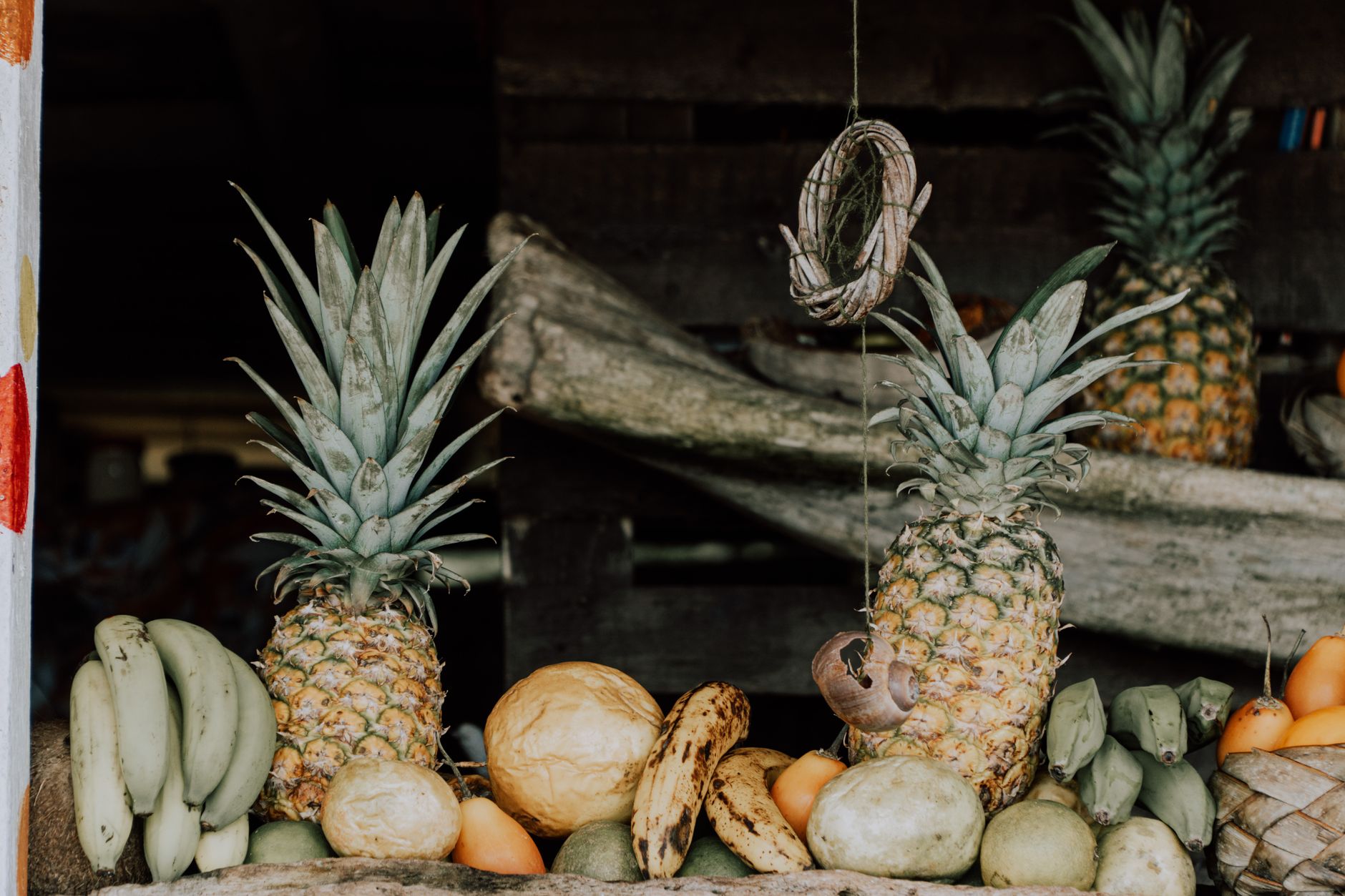
Central Mexico is renowned for its diverse and flavorful cuisine, with dishes like mole and chiles en nogada taking center stage. In cities such as Puebla, you can find mole poblano, a rich sauce made from chocolate and spices, served over chicken. Expect to pay around 150 pesos ($7.50) for a meal at a mid-range restaurant. Local markets, like Mercado de la Cruz in Querétaro, offer fresh produce and spices, allowing you to experiment with traditional recipes at home.

Street food is an integral part of daily life. Tacos al pastor, priced at about 15 pesos ($0.75) each, are a must-try. These marinated pork tacos are cooked on a vertical spit and served with pineapple. However, be cautious with street vendors and ensure food is freshly prepared to avoid health issues.
Despite the culinary richness, adapting to local eating habits can be challenging. Dinner is typically lighter and eaten later than in the U.S., often after 8 PM. Adjusting to this schedule might take time, but it offers an authentic experience of the Mexican lifestyle.
Housing and Neighborhoods in Querétaro
Housing in Querétaro varies significantly, with monthly rents ranging from 8,000 to 15,000 pesos ($400 to $750) for a two-bedroom apartment. The Centro Histórico neighborhood is popular among retirees for its colonial architecture and proximity to amenities. However, it can be noisy due to its active nightlife.

For a quieter environment, consider neighborhoods like Juriquilla, which offers modern housing and a suburban feel. Here, you can find gated communities with amenities like pools and gyms. Be aware that these areas might require a car, as public transportation options are limited compared to more central locations.
Lease agreements often require a Mexican guarantor, which can be a hurdle for newcomers. Work with a local real estate agent who understands the market and can assist with negotiations. Additionally, ensure your rental includes essential services like water and internet, as these can be inconsistently provided.
Healthcare Access and Considerations
Healthcare in Central Mexico is generally accessible and affordable. Querétaro has several reputable hospitals, such as Hospital San José and Hospital Ángeles, offering services comparable to those in the U.S. A basic consultation with a private doctor costs around 500 pesos ($25).
While public healthcare is available, many retirees opt for private insurance to avoid long wait times. Private insurance premiums vary based on age and health, but expect to pay around $1,000 annually for comprehensive coverage. Verify the network of hospitals and clinics covered by your plan to ensure you have access to preferred providers.
Language can be a barrier in healthcare settings, as not all medical staff are fluent in English. Learning basic Spanish or hiring a translator for appointments can mitigate misunderstandings. Additionally, ensure you have a plan for accessing emergency services, as response times can vary.
Practical Comparison Table
| Decision Area | Practical Detail | Retirement Note | |---|---|---| | Monthly Cost | Around $1,500 | Budget for rent, food, and transportation | | Healthcare | Hospital San José, Hospital Ángeles | Verify insurance network and emergency plans | | Housing | Centro Histórico, Juriquilla | Check lease terms and service inclusions | | Transportation | Limited public transit in suburbs | Consider car ownership for convenience | | Safety | Generally safe, but varies by neighborhood | Research local crime rates and security measures |
Healthcare, Visa, Tax, and Safety Notes
Before moving to Central Mexico, confirm your healthcare access and whether you need private insurance to supplement local services. Investigate visa requirements, as retirees typically need a temporary or permanent resident visa. Consult with a tax professional to understand your obligations both in Mexico and the U.S., particularly regarding income and property taxes.
Safety varies by neighborhood, so research local crime statistics and consider areas with strong community security measures. Walkability is high in city centers but less so in suburban areas, where a car might be necessary for daily errands.
Common Mistakes Retirees Should Avoid
- Underestimating the language barrier and not learning basic Spanish.
- Assuming all areas have the same safety levels without local research.
- Not verifying lease terms or relying solely on verbal agreements.
- Overlooking the importance of private healthcare insurance.
- Ignoring local customs and meal schedules, leading to social isolation.
- Failing to budget for unexpected expenses like home repairs or medical emergencies.
- Not consulting with a tax advisor about dual tax obligations.
Before You Move Checklist
- Confirm visa or residency requirements and application process.
- Research healthcare access and consider private insurance options.
- Verify lease terms and housing amenities.
- Learn basic Spanish to facilitate daily interactions.
- Consult a tax professional regarding U.S. and Mexican tax obligations.
- Investigate local safety and crime statistics.
- Assess transportation needs and consider car ownership if necessary.
- Explore local markets and familiarize yourself with food prices.
- Identify emergency services and nearest hospitals.
- Understand cultural norms and meal schedules.
Frequently Asked Questions
What is the cost of living in Central Mexico?
The cost of living in Central Mexico is approximately $1,500 per month, covering rent, food, and transportation. This can vary based on lifestyle and location within the region.
Is healthcare accessible for retirees in Central Mexico?
Yes, healthcare is accessible with several reputable hospitals and clinics. Many retirees choose private insurance for better access and shorter wait times.
What are the visa requirements for retiring in Mexico?
Retirees typically need a temporary or permanent resident visa. Verify the latest requirements and application procedures with official sources.
How safe is Central Mexico for retirees?
Safety varies by neighborhood. Research local crime rates and choose areas with strong community security measures for peace of mind.
Do I need to speak Spanish to live in Central Mexico?
While many locals speak some English, learning basic Spanish can greatly enhance your experience and help with daily interactions.
Related Golden Horizons Guides
- Best Countries to Retire Abroad on a Budget
- Healthcare Abroad for American Retirees
- Retiring Abroad Checklist for Americans
- Visa Rules for Americans Retiring Abroad
About Golden Horizons
Golden Horizons helps Americans age 60+ compare retirement-abroad destinations using practical information about cost of living, healthcare, housing, visas, taxes, safety, walkability, and lifestyle. Our goal is to help readers avoid expensive mistakes before choosing where to live overseas.
Final Verdict
Central Mexico offers an attractive retirement option for those seeking affordability and a vibrant culinary culture, ideal for retirees comfortable navigating some language barriers and adjusting to local customs. However, it's crucial to verify healthcare access, visa requirements, and safety considerations with official sources or qualified professionals to ensure a smooth transition.