Malta - Mediterranean Food, History, and Daily Culture — A Local's Perspective
Malta, with its population of just over 500,000, is a small island nation in the Mediterranean that offers historical richness and culinary diversity. The island is home to three UNESCO World Heritage Sites, including the ancient capital of Valletta. Malta's Mediterranean climate and active local markets make it an attractive option for retirees seeking a slower pace of life with a focus on food, history, and culture. This article will help you decide if Malta's lifestyle aligns with your retirement goals.
Quick Take
- Best for: American retirees who want a rich cultural experience with a focus on Mediterranean cuisine and history.
- Monthly reality: Expect to spend around $2,500 to $3,000 per month for a comfortable lifestyle.
- Biggest advantage: Access to fresh, local produce and a strong sense of community.
- Biggest warning: High property prices and limited rental availability in popular areas.
- Before moving: Verify visa, healthcare, tax, housing, and insurance rules with official sources or a qualified professional.
Culinary Delights and Local Markets
The Marsaxlokk Fish Market is a must-visit for seafood lovers, offering fresh catches every Sunday. Located in the quaint fishing village of Marsaxlokk, this market is a center of local activity and a perfect place to experience the island's culinary offerings firsthand. Fresh fish like lampuki (dorado) and octopus are staples, and prices are reasonable, with a kilo of fish often costing around €10–15.

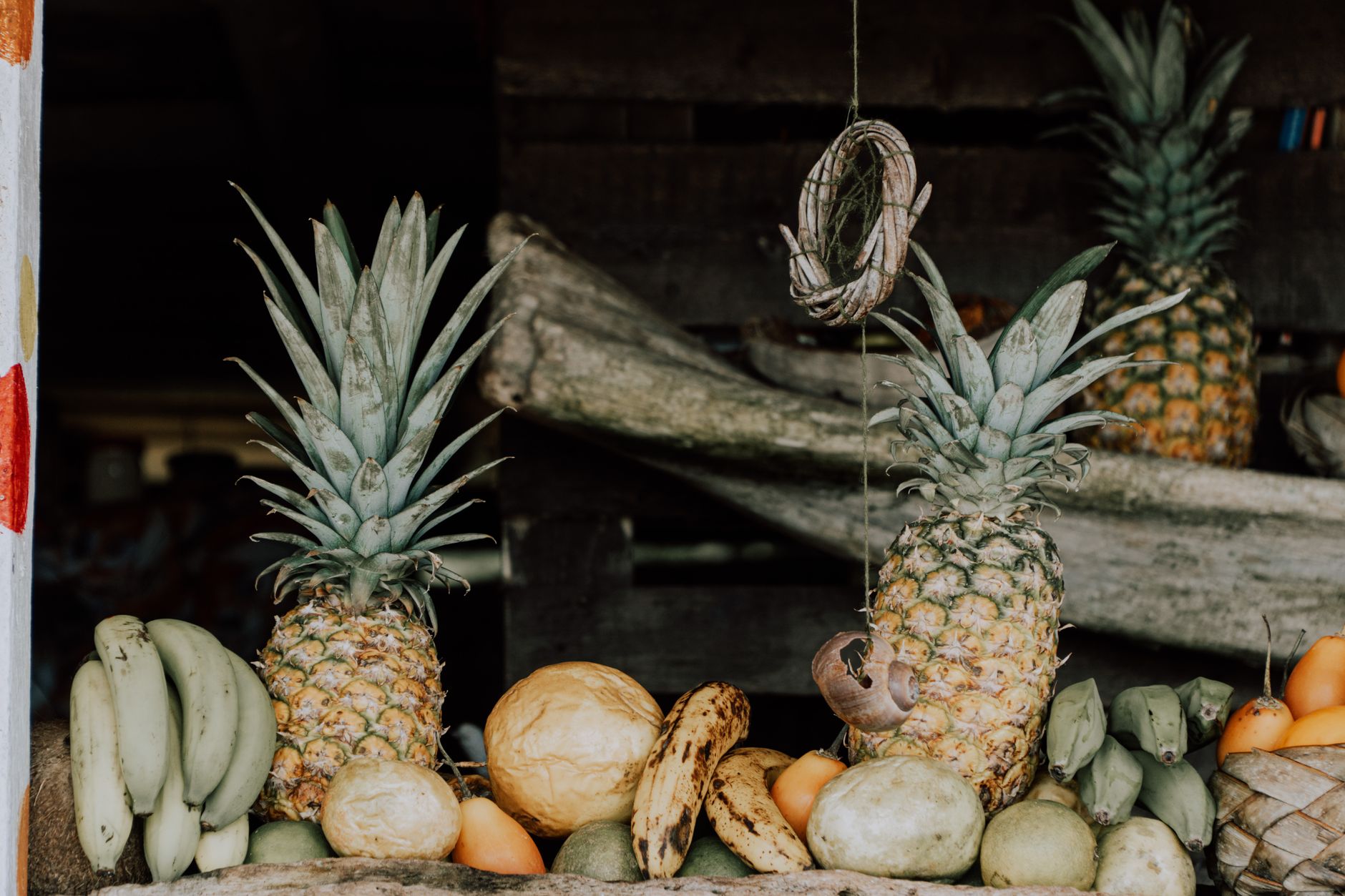
Local produce markets are scattered throughout the island, with the Is-Suq tal-Belt in Valletta being a standout. Here, you'll find an array of fresh fruits, vegetables, cheeses, and Maltese specialties like gbejna (cheeselets). The market also hosts food stalls offering traditional dishes such as rabbit stew and pastizzi, a savory pastry filled with ricotta or peas.
One limitation is that while local produce is abundant, imported goods can be expensive due to Malta's island location. This can affect the cost of living, especially if you prefer imported brands or products.
Malta's Rich History
Valletta, Malta's capital, is a city steeped in history, with its entire area recognized as a UNESCO World Heritage Site. Walking through its narrow streets, you'll encounter impressive Baroque architecture, including St. John's Co-Cathedral, which houses Caravaggio's masterpiece "The Beheading of Saint John the Baptist." Entrance fees to such sites are modest, usually around €10.

Mdina, the silent city, offers a glimpse into Malta's medieval past. This fortified city, with its cobblestone streets and ancient palaces, provides a serene escape from the busier parts of the island. Entry to Mdina is free, but some attractions within charge a small fee.
While Malta's historical sites are easily accessible, the island's small size means that during peak tourist seasons, these areas can become crowded. This can detract from the experience, so planning visits during off-peak times is advisable.
Daily Life and Cultural Integration
Public transportation in Malta is affordable, with a monthly bus pass costing around €26. Buses connect most parts of the island, although services can be less frequent in rural areas. For those who prefer driving, car rentals are available, but be prepared for narrow roads and limited parking in urban centers.
The Maltese language, influenced by Arabic, Italian, and English, is widely spoken alongside English. While most locals speak English fluently, learning a few Maltese phrases can enhance your integration into the community.
A common assumption is that Malta is always sunny, but the island does experience a rainy season, particularly from November to February. This can affect outdoor plans, so having indoor activities, such as visiting museums or attending local theater productions, can be beneficial.
Practical Comparison Table
| Decision Area | Practical Detail | Retirement Note | |---|---|---| | Monthly Cost | $2,500–$3,000 | Budget for local and imported goods | | Healthcare | Public and private hospitals available | Verify private insurance needs | | Housing | High demand in Valletta and Sliema | Check rental availability | | Transportation | Monthly bus pass €26 | Plan for limited rural services | | Safety | Generally safe | Check local crime rates |
Healthcare, Visa, Tax, and Safety Notes
Healthcare in Malta is of a high standard, with both public and private options available. Mater Dei Hospital is the main public hospital, offering comprehensive services. However, private insurance is recommended to cover any gaps in the public system.
Visa rules for American retirees require careful planning. Malta offers a retirement visa, but it involves specific financial thresholds and healthcare coverage requirements. Consulting with a professional is essential to ensure compliance.
Tax obligations can be complex, as Malta has its own tax system and agreements with the U.S. Understanding both local and U.S. tax responsibilities is crucial to avoid unexpected liabilities.
Safety is generally good, but as with any destination, being aware of your surroundings and securing your belongings is wise. Walkability is high in urban areas like Valletta, but rural regions may require a car for convenience.
Common Mistakes Retirees Should Avoid
- Underestimating the cost of imported goods.
- Overlooking the need for private health insurance.
- Ignoring the complexities of dual taxation.
- Assuming year-round sunny weather.
- Choosing housing without understanding local demand.
- Not learning basic Maltese phrases.
- Failing to research public transport limitations.
Before You Move Checklist
- Verify visa or residency rules.
- Check healthcare access and private insurance needs.
- Understand tax obligations in both the U.S. and Malta.
- Confirm rent and lease terms, especially in high-demand areas.
- Assess walkability and transportation options.
- Evaluate safety and local crime rates.
- Consider language barriers and learn basic phrases.
- Plan for emergency access and services.
- Visit during different seasons to understand climate variations.
- Explore local markets and amenities.
Frequently Asked Questions
Is English widely spoken in Malta?
Yes, English is one of the official languages in Malta, and most locals speak it fluently. However, learning some Maltese can enhance your experience and integration.
What is the healthcare system like in Malta?
Malta has a robust healthcare system with both public and private options. Public healthcare is generally good, but private insurance is recommended to cover any gaps.
How expensive is housing in Malta?
Housing can be expensive, especially in popular areas like Valletta and Sliema. It's important to research rental availability and costs before moving.
What is the best way to get around Malta?
Public buses are affordable and connect most parts of the island. However, services can be less frequent in rural areas, so having a car might be beneficial.
Are there any cultural customs I should be aware of?
Maltese culture is influenced by Mediterranean traditions. Respect for local traditions, such as religious festivals, is appreciated, and learning basic Maltese phrases can be helpful.
Related Golden Horizons Guides
- Best Countries to Retire Abroad on a Budget
- Healthcare Abroad for American Retirees
- Retiring Abroad Checklist for Americans
- Visa Rules for Americans Retiring Abroad
About Golden Horizons
Golden Horizons helps Americans age 60+ compare retirement-abroad destinations using practical information about cost of living, healthcare, housing, visas, taxes, safety, walkability, and lifestyle. Our goal is to help readers avoid expensive mistakes before choosing where to live overseas.
Final Verdict
Malta is ideal for retirees interested in immersing themselves in a Mediterranean lifestyle enriched by history and cuisine. However, it requires careful financial planning and a thorough understanding of healthcare arrangements and visa regulations. Always consult official resources or professionals regarding healthcare and residency requirements.