Quick Taste
Mezze in Lebanon is a popular collection of small dishes that tantalize the palate with a variety of flavors and textures. In Beirut, the mezze scene is lively with newer takes and a wide range of options, making it ideal for those seeking convenience and variety. By contrast, the countryside offers a more traditional approach, with larger portions and a focus on preserving the old-style flavors of Lebanese cuisine. For first-time visitors, Beirut provides an accessible introduction to this culinary tradition, while the countryside offers a deeper explore Lebanon's culinary roots.
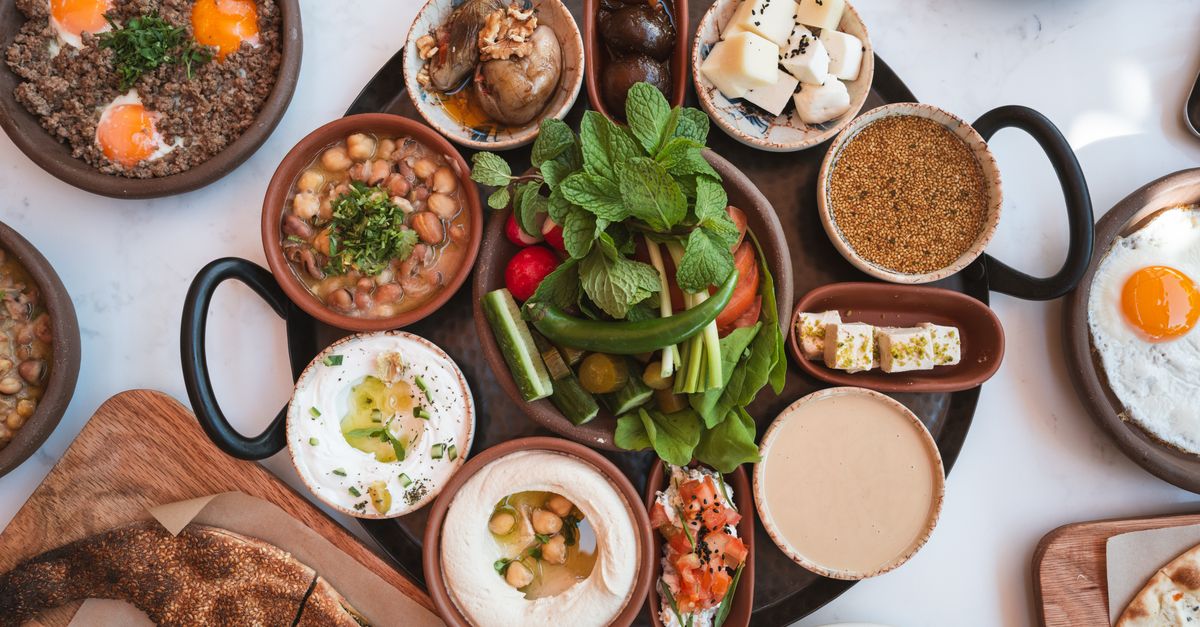
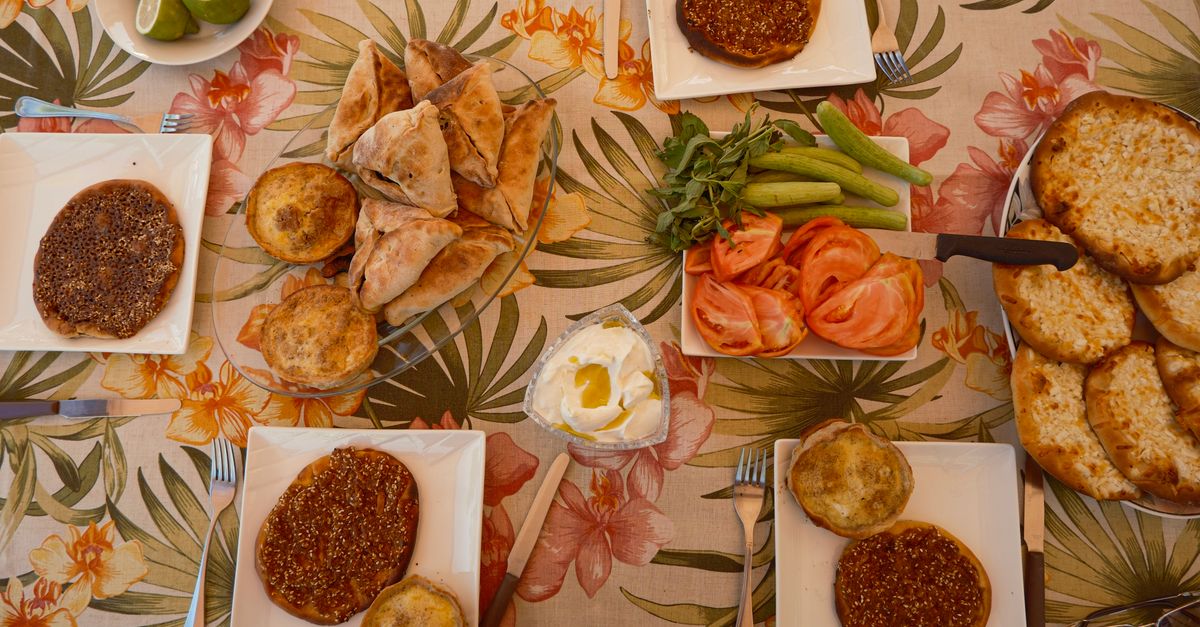
In Lebanon, mezze is not just about the food; it's a social event that embodies the communal spirit of the country. Visitors will often find tables overflowing with dishes served at room temperature, enhancing the flavors and allowing each dish to shine. Accompaniments like warm pita bread, fresh vegetables, and olives are common, and variations can include seafood in coastal areas or more meat-centric options in the mountains. The key is to pace yourself and enjoy each dish slowly, as mezze is meant to be enjoyed over a long, leisurely meal.
The Story Behind the Dish
The tradition of mezze in Lebanon is deeply rooted in the country's history and culture, dating back centuries. Originally, mezze was a way for hosts to welcome guests, showcasing hospitality through a variety of small dishes. This practice has evolved into a cornerstone of Lebanese dining culture. The term "mezze" comes from the Persian word "mazzeh," meaning taste or snack, emphasizing the focus on flavor.
Lebanese mezze reflects the diverse influences that have shaped the country's cuisine, from the Ottoman Empire to French colonialism. Each dish within a mezze spread tells a story of cultural exchange and adaptation. Kibbeh, often considered the national dish, has variations across the Middle East but holds a special place in Lebanese cuisine. Preparing mezze is an art form, requiring skill and patience to balance flavors and textures, ensuring that each dish complements the others for a harmonious dining experience.
How Locals Eat It
In Lebanon, mezze is traditionally enjoyed as part of a long, leisurely lunch or dinner, often lasting several hours. It is a social affair, shared among family and friends at home or in restaurants. Meals typically begin with cold dishes like hummus and tabbouleh, followed by warm dishes such as grilled meats and fried kibbeh. This progression allows diners to appreciate the full range of flavors and textures.
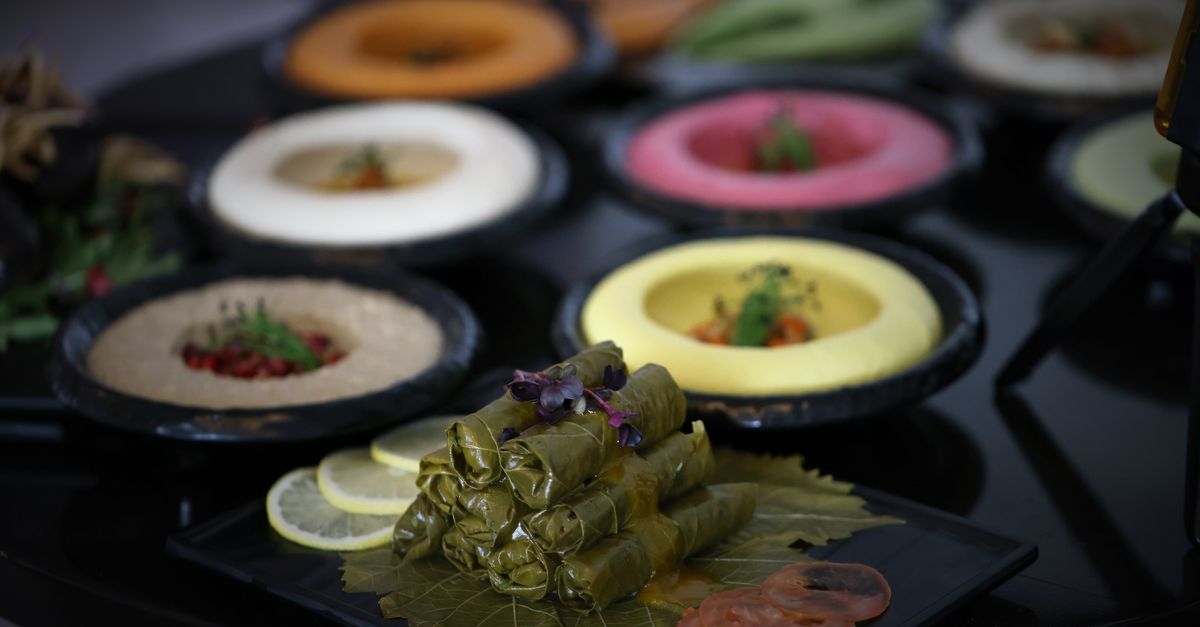
Lebanese people often pair mezze with arak, a traditional anise-flavored spirit, which enhances the dining experience. The social aspect of mezze is just as important as the food itself, with conversation and camaraderie taking center stage. It's common for locals to linger at the table, enjoying each dish slowly and enjoying the company. For visitors, embracing this relaxed pace is key to truly experiencing the art of slow eating that Lebanese mezze embodies.
Where to Find It
Mezze can be found throughout Lebanon, from upscale restaurants in Beirut to family-run eateries in smaller towns. In Beirut, areas like Gemmayzeh and Mar Mikhael are known for their lively dining scenes, offering both traditional and modern takes on mezze. These neighborhoods are ideal for those looking to explore a wide range of flavors and styles in an energetic atmosphere.

For a more traditional experience, Byblos offers seaside restaurants where mezze is served with a view of the Mediterranean. Here, visitors can enjoy dishes prepared with fresh, locally sourced ingredients, often following age-old recipes. In the mountains, towns like Zahle are renowned for their hospitality and traditional Lebanese cuisine, making them perfect for those seeking a genuine taste of Lebanon. Wherever you choose to dine, be sure to check the current menu and confirm hours, as offerings can vary by season and location.
City vs. Countryside Flavor
The mezze experience in Lebanon varies significantly between the city and the countryside, each offering its distinct appeal. In Beirut, the mezze scene is dynamic and diverse, reflecting the city's cosmopolitan nature. Here, you can find everything from traditional dishes to innovative creations that incorporate international flavors. The city's lively markets and trendy eateries provide a lively backdrop for enjoying mezze, making it an exciting destination for those seeking variety.
In contrast, the countryside offers a more serene and traditional mezze experience. In regions like the Bekaa Valley, the focus is on fresh, locally sourced ingredients and time-honored recipes. The pace is slower, allowing diners to fully appreciate the flavors and textures of each dish. This setting is ideal for those looking to connect with Lebanon's culinary roots and enjoy a more relaxed dining experience. Whether you prefer the excitement of the city or the tranquility of the countryside, both offer a unique perspective on the art of slow eating.
Cost, Portions, and Ordering Tips
When it comes to mezze, portions are typically generous, designed to be shared among a group. A typical mezze spread for four people might include 10 to 15 dishes, offering a wide variety of flavors and textures. In Beirut, expect to pay around $20 to $50 per person for a comprehensive mezze experience. Prices in smaller towns like Byblos or Zahle may be slightly lower, but it's always wise to treat prices as moving targets due to fluctuations in the local economy.
For first-time visitors, it's helpful to start with a few familiar dishes like hummus and tabbouleh before exploring more adventurous options. Don't hesitate to ask the server for recommendations, as they can guide you through the menu and suggest popular local favorites. When ordering, consider the balance of flavors and textures, including a mix of cold and hot dishes, to create a satisfying meal. Remember, mezze is meant to be enjoyed slowly, so take your time and savor each bite.
What to Know Before You Try It
Before diving into a mezze experience in Lebanon, there are a few things to keep in mind. First, mezze is traditionally served at room temperature, which allows the flavors to shine. This means that dishes may not be piping hot when they arrive at the table, but this is intentional and part of the experience. It's also important to note that mezze is a communal meal, so be prepared to share dishes with your dining companions.
If you have dietary restrictions, such as vegetarian or gluten-free preferences, mezze can accommodate a variety of needs. Many dishes are naturally vegetarian, and options like tabbouleh and baba ghanoush are gluten-free. However, it's always a good idea to communicate your preferences to the server to ensure a satisfying meal. Lastly, be open to trying new flavors and textures, as mezze offers a diverse range of dishes that can surprise and delight the palate.
Common Mistakes Visitors Make
One common mistake visitors make when experiencing mezze for the first time is ordering too many dishes at once. It's easy to be overwhelmed by the variety of options, but starting with a smaller selection allows you to fully appreciate each dish without feeling rushed. Another mistake is eating too quickly. Mezze is meant to be enjoyed slowly, with each dish enjoyed and shared over a leisurely meal.
Visitors might also overlook the importance of balance in a mezze spread. A well-rounded selection includes a mix of cold and hot dishes, as well as a variety of flavors and textures. Focusing too heavily on one type of dish can lead to a less satisfying experience. Finally, some visitors may be hesitant to try unfamiliar dishes, missing out on the opportunity to explore the full range of Lebanese flavors. Approach mezze with an open mind and a willingness to try new things for the most rewarding experience.
Frequently Asked Questions
Is mezze better in Beirut or the countryside?
Beirut offers newer versions and convenience, while the countryside provides traditional flavors and larger portions. Choose based on your preference for either a contemporary or traditional experience.
What does mezze taste like?
Mezze features a variety of flavors, from the creamy and nutty hummus to the tangy and fresh tabbouleh. The diversity of ingredients offers a rich sensory experience.
How much does mezze usually cost?
In Beirut, expect to pay $20 to $50 per person, while countryside options may range from $15 to $30. Prices vary depending on the restaurant and location.
What should I order with mezze?
Pair mezze with warm pita bread and try local beverages like arak. These accompaniments enhance the flavors and provide a complete Lebanese dining experience.
Related Golden Horizons Guides
- Best Countries to Retire Abroad on a Budget
- Healthcare Abroad for American Retirees
- Retiring Abroad Checklist for Americans
- Visa Rules for Americans Retiring Abroad
About Golden Horizons
Golden Horizons is the retirement abroad magazine for Americans who aren’t done yet.
Final Bite
Lebanese mezze is more than just a meal; it's a celebration of community, tradition, and flavor. Whether you prefer the modern flair of Beirut or the rustic charm of the countryside, mezze offers a taste of Lebanese culture that is both inviting and enriching. Embrace the art of slow eating, savor the diverse dishes, and enjoy the company of those around you for a truly rewarding experience.