Quick Taste
Kimchi in Korea is a fermented vegetable dish with a spicy, tangy flavor, and Seoul is better for convenience and variety while Jeonju is better for traditional flavor and larger portions. This Korean side dish is typically made from napa cabbage or radishes, seasoned with chili pepper, garlic, ginger, and a variety of other spices. The fermentation process gives kimchi its distinctive sour taste, while the spices provide a fiery kick that is both invigorating and addictive.

For visitors, kimchi is more than just a side dish; it is a staple of Korean cuisine that accompanies almost every meal. It is served cold, offering a refreshing contrast to the warm rice and hearty stews often found on the Korean table. Variations abound, with some versions incorporating seafood or different vegetables, each offering a distinct taste experience. The texture ranges from crunchy to soft, depending on the fermentation time, and it is often complemented by other banchan, or side dishes, providing a diverse array of flavors and textures in a single meal.
The Story Behind the Dish
Kimchi's origins date back over a thousand years, with its roots deeply embedded in Korean culture and history. Initially, it was a simple method of preserving vegetables to ensure a supply of food during the harsh winters. Over time, as trade routes expanded and new ingredients were introduced, the recipe evolved into the spicy, complex dish we know today. The introduction of chili peppers in the 16th century, after being brought from the Americas, transformed kimchi into the fiery dish that has become a symbol of Korean identity.
The process of making kimchi, known as kimjang, is traditionally a communal activity that brings families and communities together. This practice is so significant that it was inscribed on UNESCO's Representative List of the Intangible Cultural Heritage of Humanity in 2013. Kimjang typically takes place in late autumn, with families preparing large quantities to last through the winter. This tradition not only ensures a steady supply of kimchi but also reinforces social bonds and cultural continuity.
How Locals Eat It
In Korea, kimchi is more than just a side dish; it is an integral part of daily life. It is served with almost every meal, from breakfast to dinner, and is often used as an ingredient in other dishes such as kimchi jjigae (kimchi stew) and kimchi bokkeumbap (kimchi fried rice). Koreans typically eat kimchi with rice, using chopsticks to pick up small portions and balance them on top of a spoonful of rice for a harmonious bite.

Beyond the dining table, kimchi is also a popular ingredient in street food. Vendors often use it to add flavor to dishes like tteokbokki (spicy rice cakes) and hotteok (sweet pancakes). In homes, it is common to find multiple types of kimchi stored in special refrigerators designed to maintain the ideal fermentation conditions. This ensures that families always have a variety of kimchi on hand to suit different dishes and preferences.
Where to Find It
Kimchi is ubiquitous in Korea, found in every restaurant, market, and home. In Seoul, visitors can experience a wide range of kimchi varieties at Gwangjang Market, where vendors offer samples and sell kimchi by the kilogram. For those interested in learning about the history and making of kimchi, the Kimchi Museum in Insa-dong provides an educational experience complete with tasting opportunities.
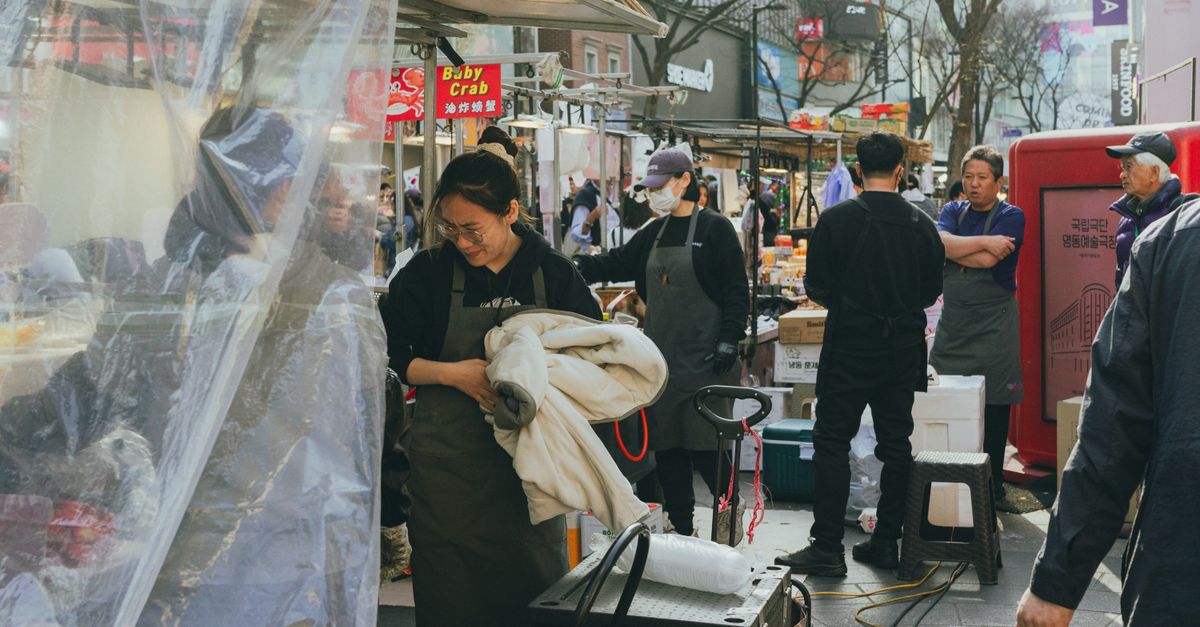
In the city of Jeonju, known for its food heritage, traditional kimchi can be found at local markets and restaurants. Jeonju is famous for its bibimbap, which is often accompanied by an array of banchan including kimchi. For a more hands-on experience, many cooking classes in Korea offer kimchi-making sessions where participants can learn the art of fermentation and take home their creations.
City vs. Countryside Flavor
The flavor of kimchi can vary significantly between urban and rural areas in Korea. In cities like Seoul, the focus is often on convenience and variety. Restaurants and markets offer a wide array of kimchi types, from the classic napa cabbage to more experimental versions featuring fruits or seafood. Urban kimchi tends to be less pungent and more mildly spiced, catering to a diverse palate and the fast-paced lifestyle of city dwellers.
In contrast, countryside kimchi, such as that found in Jeonju or the southern provinces, often sticks closer to traditional recipes. These versions are typically more robust in flavor, with a stronger fermentation profile and a higher level of spice. The ingredients used in rural kimchi are often locally sourced, which can add unique regional flavors to the dish. For those seeking an traditional taste of Korean tradition, countryside kimchi offers a deeper connection to the historical roots of this dish.
Cost, Portions, and Ordering Tips
Kimchi is generally affordable, with prices varying based on the type and quantity. In markets, it is sold by weight, with prices ranging from 5,000 to 10,000 KRW per kilogram. When dining out, kimchi is usually included as part of the banchan served with meals at no extra charge. However, some specialty restaurants may offer premium kimchi varieties for an additional cost.
When ordering kimchi in a restaurant, it's helpful to ask about the spice level, as it can vary significantly. Those with a lower tolerance for heat might prefer baek kimchi, a non-spicy white kimchi made without chili peppers. For a more adventurous palate, ask for pogi kimchi, which is made with whole napa cabbage leaves and has a more intense flavor. Always check the menu or ask the server about the specific types of kimchi available, as offerings can change with the seasons.
What to Know Before You Try It
Before trying kimchi, it's important to be aware of its strong flavors and potential impact on digestion, especially for those not accustomed to fermented foods. The fermentation process produces probiotics, which can be beneficial for gut health but may cause discomfort for first-timers. It's advisable to start with small portions and gradually increase the amount as your body adjusts.
For those with dietary restrictions, it's worth noting that some kimchi recipes include fish sauce or shrimp paste, which may not be suitable for vegetarians or those with shellfish allergies. Always inquire about the ingredients if you have specific dietary needs. Additionally, the fermentation process can produce a strong odor, so storing kimchi in airtight containers is recommended to prevent it from permeating other foods.
Common Mistakes Visitors Make
One common mistake visitors make is underestimating the spice level of kimchi. While it can be tempting to explore a large serving, it's best to start with a small portion to gauge your tolerance for heat. Another mistake is not pairing kimchi with other foods. Its bold flavors are meant to complement milder dishes like rice and tofu, enhancing the overall dining experience.
Visitors also often overlook the variety of kimchi available. Many assume that all kimchi is the same, but there are over 200 recognized types, each with its own unique flavor profile. Exploring different varieties can enhance your appreciation of this versatile dish. Finally, some visitors may be hesitant to try homemade or market-sold kimchi due to concerns about food safety. However, kimchi is generally safe to eat as long as it is stored properly and consumed within a reasonable timeframe.
Frequently Asked Questions
Is kimchi better in Seoul or Jeonju?
Seoul offers newer versions with unique ingredients, while Jeonju provides a more traditional flavor, making it ideal for those seeking traditionality.
What does kimchi taste like?
Kimchi has a complex flavor profile that is spicy, tangy, and umami-rich, with a crisp yet tender texture.
How much does kimchi usually cost?
Kimchi can range from 2,000 KRW in markets to 10,000 KRW in restaurants, depending on the portion size and location.
What should I order with kimchi?
Kimchi pairs well with grilled meats, stews, and rice dishes, enhancing the overall dining experience.
Related Golden Horizons Guides
- Best Countries to Retire Abroad on a Budget
- Healthcare Abroad for American Retirees
- Retiring Abroad Checklist for Americans
- Visa Rules for Americans Retiring Abroad
About Golden Horizons
Golden Horizons is the retirement abroad magazine for Americans who aren’t done yet.
Final Bite
Kimchi offers a flavorful glimpse into Korean culture, revealing the country's deep-rooted traditions and communal spirit. Whether you're a spice enthusiast or a curious traveler, sampling kimchi in its various forms is a sensory journey worth taking. Before diving in, be open to trying different varieties and savor the unique tastes that define this Korean staple.