Quick Taste
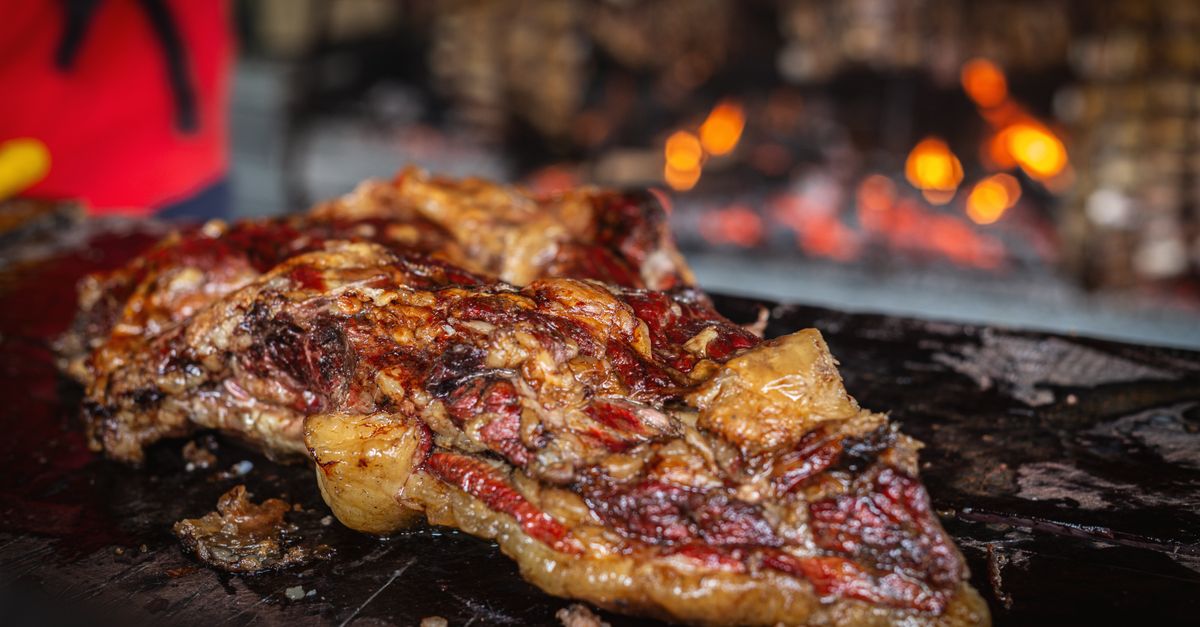
Ugali, Nyama Choma, and Kachumbari in Nairobi are quintessential Kenyan dishes that offer a hearty and flavorful dining experience. Ugali, a staple maize porridge, provides a comforting base with its neutral taste and firm texture, perfect for soaking up the juices of Nyama Choma, which is grilled meat seasoned with salt and spices, offering a smoky and savory delight. Kachumbari, a fresh tomato and onion salad, adds a zesty contrast. Nairobi is the best place for convenience and newer versions, while rural areas excel in traditional flavor and larger portions. First-time visitors will find Nairobi's dining scene more accessible.

In Nairobi, these dishes are not just meals but cultural staples that reflect the Kenyan way of life. Visitors will encounter Ugali as a firm, dough-like accompaniment, often served steaming hot. It pairs perfectly with the succulent, charred Nyama Choma, typically made from beef, goat, or chicken. Kachumbari adds a refreshing contrast with its crisp texture and zesty flavor. Variations can include the addition of avocado or chili for an extra burst of flavor. For first-time visitors, it’s advisable to start with a mixed platter to sample all three dishes together.
The Story Behind the Dish
Ugali, Nyama Choma, and Kachumbari are deeply ingrained in Kenyan food culture. Ugali, made from maize flour and water, is a staple in Kenyan households due to its affordability and versatility. It is believed to have originated from the Bantu communities, who introduced maize to the region. Nyama Choma, meaning "grilled meat" in Swahili, is a popular social dish often enjoyed during gatherings and celebrations. Traditionally, it was prepared using goat or beef, seasoned simply to highlight the meat's natural flavors. Kachumbari, influenced by Indian cuisine, is a refreshing salad made with tomatoes, onions, and sometimes chili peppers, offering a popular contrast to the rich meat and dense ugali.
The origins of Ugali can be traced back to the introduction of maize by the Portuguese in the 16th century, and it has since become a symbol of sustenance and community. Nyama Choma, which translates to "roasted meat," embodies the communal spirit of Kenya. Traditionally cooked over an open flame, Nyama Choma is often the centerpiece of social gatherings and celebrations. The choice of meat varies, but goat and beef are the most popular, seasoned simply with salt to allow the meat's natural flavors to shine. Kachumbari, a fresh salad of tomatoes, onions, and sometimes cilantro, complements these dishes perfectly. Its origins are less clear, but it reflects the influence of Indian and Middle Eastern cuisines on East African food. Together, these dishes tell a story of cultural exchange and adaptation, representing the diverse influences that have shaped Kenyan cuisine.
How Locals Eat It
In Nairobi, locals typically enjoy Ugali, Nyama Choma, and Kachumbari as a communal meal. Ugali is served as a side dish, often molded into a ball and used to scoop up the meat and salad. Nyama Choma is usually grilled over an open flame, imparting a distinct smoky flavor. It is often accompanied by Kachumbari, which provides a fresh and tangy balance. This meal is commonly enjoyed during lunch or dinner, particularly on weekends or special occasions. It is a casual dining experience, often consumed in open-air restaurants or at home with family and friends, paired with a cold Tusker beer or a glass of fresh juice.

Nyama Choma is usually served in generous portions, encouraging sharing among friends and family. It’s common to find groups gathered around a table, chatting and laughing as they enjoy their meal. Kachumbari, with its refreshing taste, is often served as a side dish but can also be mixed directly with the meat for an added burst of flavor. For locals, these meals are more than just food; they are a way to connect with others, celebrate special occasions, or simply enjoy a leisurely afternoon. Visitors are encouraged to join in this communal dining tradition, experiencing firsthand the warmth and hospitality that are integral to Kenyan culture.
Where to Find It
Visitors to Nairobi can find Ugali, Nyama Choma, and Kachumbari in various settings, from street stalls to upscale restaurants. Popular spots include local nyama choma joints, where the meat is grilled to order, and the atmosphere is lively and informal. Street markets and food festivals also offer these dishes, providing an traditional taste of Kenyan street food culture. For a more refined experience, some restaurants offer modern takes on these traditional dishes, incorporating unique spices or presentation styles. Neighborhoods like Westlands and Langata are known for their popular food scenes, making them ideal places to sample these dishes.

Carnivore Restaurant, located in Lang'ata, is renowned for its Nyama Choma, offering an extensive selection of meats cooked to perfection. For a more local experience, head to Kenyatta Market, where numerous stalls serve freshly roasted meat alongside Ugali and Kachumbari. For those seeking a more upscale dining experience, Talisman in Karen offers a refined take on these traditional dishes, blending local flavors with international culinary techniques. Alternatively, Mama Oliech Restaurant in the city center is famous for its traditional Kenyan dishes, providing a taste of home-cooked comfort. Whether you choose a high-end restaurant or a casual eatery, Nairobi offers a diverse range of options to enjoy these well-known Kenyan dishes. Be sure to explore different venues to experience the full spectrum of flavors and styles that the city has to offer.
City vs. Countryside Flavor
Nairobi offers a convenient and diverse dining experience for Ugali, Nyama Choma, and Kachumbari, with a range of options from traditional to modern. The city is ideal for first-time visitors due to its accessibility and variety. In contrast, rural areas provide a more traditional and traditional flavor, with larger portions and a focus on communal dining. While Nairobi restaurants may experiment with spices and presentation, countryside eateries stick to classic recipes, offering a taste of Kenyan heritage. Prices in the city tend to be higher, especially in tourist areas, but the convenience and variety are exceptional.
The flavors of Ugali, Nyama Choma, and Kachumbari can vary significantly between Nairobi's urban center and the surrounding countryside. In the city, the dishes are often prepared with a newer take, incorporating diverse ingredients and cooking techniques. This results in a more varied and sometimes experimental flavor profile, appealing to a wide range of palates. Conversely, the countryside offers a more traditional approach, with recipes passed down through generations. Here, the focus is on simplicity and traditionality, using locally sourced ingredients and time-honored methods. The meat is often roasted over open fires, imparting a distinct smoky flavor that is hard to replicate in a city setting. For those seeking old-style flavor, the countryside is the ideal destination. Larger portions and a focus on traditional preparation methods provide a more rustic and genuine taste. However, for convenience and variety, the city offers a plethora of options, making it easier for visitors to sample different interpretations of these classic dishes.
Cost, Portions, and Ordering Tips
In Nairobi, the cost of Ugali, Nyama Choma, and Kachumbari can vary widely. Street stalls and local joints offer affordable options, with prices ranging from KES 300 to KES 800 ($3 to $8 USD) per serving, depending on the meat choice. Portions are generally generous, with enough to satisfy a hearty appetite. When ordering, it's common to specify the type of meat and preferred doneness for Nyama Choma. Cash is preferred in many local spots, although some accept cards. In tourist areas, prices may be higher, and it's wise to confirm whether service charges are included.
The cost of enjoying Ugali, Nyama Choma, and Kachumbari in Nairobi can vary depending on the venue. Street vendors and local eateries offer these dishes at a more affordable price, typically ranging from 300 to 800 Kenyan Shillings for a full meal. In contrast, upscale restaurants may charge upwards of 2,000 Kenyan Shillings, reflecting the premium ingredients and dining experience. Portion sizes are generally generous, especially in local settings where sharing is encouraged. When ordering, it's advisable to ask for a mixed platter, which allows you to sample all three dishes together. This is particularly beneficial for first-time visitors who want to experience the full range of flavors. For those with dietary restrictions, it's important to inquire about the ingredients used, as some variations may include spices or marinades that could affect allergies. Additionally, while Ugali is typically gluten-free, cross-contamination in preparation areas can occur, so it's best to confirm with the server.
What to Know Before You Try It
When trying Ugali, Nyama Choma, and Kachumbari, be prepared for a simple yet flavorful meal. The dishes are generally not spicy, but Kachumbari can have a mild kick from chili peppers. Those with gluten sensitivities can enjoy Ugali, as it is gluten-free. Meat lovers will appreciate the quality of Nyama Choma, but vegetarians may find limited options, as the focus is on meat. Hygiene standards vary, so it's advisable to choose busy stalls or restaurants with a good turnover to ensure freshness. Seating is often informal, with communal tables or outdoor setups.
Before diving into Ugali, Nyama Choma, and Kachumbari in Nairobi, there are a few things to keep in mind. First, these dishes are best enjoyed fresh, so look for places with a high turnover to ensure quality and flavor. Hygiene is also crucial, particularly when dining at street vendors, so choose stalls that appear clean and well-maintained. For those unaccustomed to eating with their hands, it might take a little practice to master the technique. However, this method is part of the experience and adds to the enjoyment of the meal. If you prefer utensils, most restaurants will accommodate your request. It's also worth noting that Nyama Choma can be quite filling, so pace yourself and savor each bite. Pairing it with the lighter Kachumbari salad can help balance the meal and prevent overeating. Lastly, be open to trying different variations and preparations, as each offers a unique taste of Kenyan culture.
Common Mistakes Visitors Make
Visitors often misunderstand the simplicity of Ugali, Nyama Choma, and Kachumbari, expecting more elaborate dishes. It's important to appreciate the straightforward flavors and the social aspect of the meal. Overpaying is another common mistake, especially in tourist-heavy areas. To avoid this, seek out local eateries where prices are more reasonable. Some visitors may also skip the Kachumbari, not realizing its crucial role in balancing the meal's flavors. Lastly, failing to specify meat preferences can lead to unexpected cuts or doneness, so clear communication when ordering is key.
One common mistake visitors make when trying Ugali, Nyama Choma, and Kachumbari is not fully embracing the communal aspect of the meal. These dishes are meant to be shared, so don't hesitate to join a group or invite others to your table. This not only enhances the dining experience but also provides an opportunity to learn more about Kenyan customs and traditions. Another mistake is underestimating the portion sizes, particularly with Nyama Choma. It's easy to order too much, especially when faced with a tempting array of meats. Start with a smaller portion and order more if needed, as this will help avoid waste and ensure you enjoy the meal without feeling overwhelmed. Finally, some visitors may shy away from street vendors due to concerns about food safety. While it's important to be cautious, many vendors offer delicious and safe meals. Look for stalls with a steady stream of local customers, as this is often a good indicator of quality and hygiene.
Frequently Asked Questions
Is Ugali, Nyama Choma, and Kachumbari better in Nairobi or the countryside?
Nairobi offers convenience and variety, while the countryside provides traditional flavors and larger portions.
What does Ugali, Nyama Choma, and Kachumbari taste like?
Ugali is neutral and firm, Nyama Choma is smoky and savory, and Kachumbari is fresh and tangy.
How much does Ugali, Nyama Choma, and Kachumbari usually cost?
Prices range from KES 300 to KES 800 ($3 to $8 USD) depending on the location and meat choice.
What should I order with Nyama Choma?
Pair Nyama Choma with Ugali and Kachumbari for a balanced and traditional Kenyan meal.
Related Golden Horizons Guides
- Best Countries to Retire Abroad on a Budget
- Healthcare Abroad for American Retirees
- Retiring Abroad Checklist for Americans
- Visa Rules for Americans Retiring Abroad
About Golden Horizons
Golden Horizons is the retirement abroad magazine for Americans who aren’t done yet.
Final Bite
Ugali, Nyama Choma, and Kachumbari offer a window into Kenyan life, emphasizing communal dining and simple yet satisfying flavors. Whether you're a meat lover or curious traveler, this meal provides a genuine taste of Nairobi's food scene. Embrace the local dining customs, and you'll find a meal that's as much about the experience as it is about the food.