Quick Taste
Tel Aviv's market table and Mediterranean street snacks offer a dynamic dining experience with bold flavors and diverse textures. The lively Carmel Market is ideal for traditional flavor and local pricing, while the trendy Sarona Market caters to those seeking newer versions and convenience. For larger portions, head to local eateries in the market areas, while lighter options and dietary accommodations are more accessible in the city's upscale neighborhoods. First-time visitors will find the Carmel Market to be the most immersive introduction to Tel Aviv's food culture.

Visitors to Tel Aviv will encounter a popular food culture where street snacks are not just quick bites but a way of life. The texture of a warm, fluffy pita filled with crunchy falafel and topped with tangy tahini sauce is a quintessential experience. These snacks are often accompanied by a variety of pickled vegetables and fresh salads, adding a burst of color and flavor to each bite. Key variations might include different fillings like spicy eggplant or shawarma, and the temperature of these snacks is typically warm, offering comfort and satisfaction. For first-time visitors, starting with a classic falafel or shawarma wrap is an excellent introduction to the local street food culture.
The Story Behind the Dish
Tel Aviv's food scene is a reflection of Israel's diverse cultural influences, blending elements from the Middle East, North Africa, and Europe. The city's markets are a testament to this diversity, offering everything from freshly baked pita to aromatic falafel and creamy hummus. These markets have been central to the city's food culture for decades, serving as hubs where locals gather to shop, socialize, and eat. The ingredients are fresh and popular, with vegetables, herbs, and spices playing a pivotal role in the flavor profiles of the dishes.
Falafel, for example, is believed to have originated in Egypt, but it has become a symbol of Israeli cuisine. This deep-fried ball made from ground chickpeas or fava beans is a staple in many Middle Eastern countries, but in Israel, it’s often served in a pita with an array of salads and sauces. Another popular street snack is sabich, a sandwich that reflects the food heritage of Iraqi Jews who immigrated to Israel. Sabich is typically made with fried eggplant, hard-boiled eggs, and a variety of fresh vegetables, all stuffed into a pita and drizzled with amba, a tangy mango pickle sauce. This dish highlights the fusion of flavors and traditions that characterize Tel Aviv’s street food scene. Over the years, these snacks have evolved, incorporating local ingredients and adapting to modern tastes while still honoring their historical roots.
How Locals Eat It
In Tel Aviv, street snacks are a daily enjoynce rather than a special occasion treat. Locals often grab a quick bite while shopping at the market or during a lunch break. Popular items include falafel, shawarma, and sabich, each served in a pita with a variety of toppings like tahini, pickles, and salads. These snacks are typically enjoyed on the go, but many market stalls also offer small seating areas for those who prefer to enjoy their meal. It's common to pair these snacks with a refreshing glass of freshly squeezed pomegranate or orange juice.

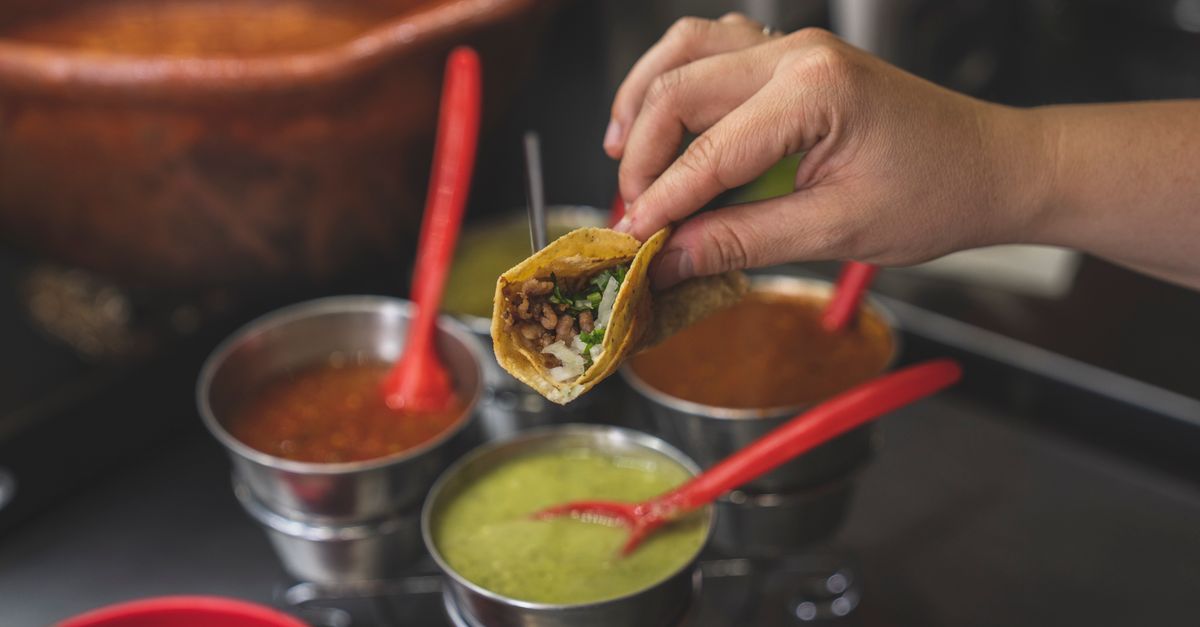
When it comes to eating street snacks, locals have their own preferences and rituals. For instance, many prefer to add a generous amount of spicy zhug, a Yemenite hot sauce, to their falafel for an extra kick. Others might opt for a more substantial meal by ordering a mixed platter that includes hummus, falafel, and a selection of salads. The beauty of Tel Aviv’s street food is its versatility, allowing each person to customize their meal according to their taste.
Where to Find It
The best places to sample Tel Aviv's market table and street snacks are the Carmel Market and Levinsky Market. Carmel Market is the city's largest and most famous market, offering a wide array of food stalls and fresh produce. Levinsky Market, known for its spices and delicacies, provides a more intimate experience with a focus on specialty foods. For those seeking a newer take, Sarona Market offers a curated selection of gourmet street food in a more polished setting. These markets are easily accessible by public transport and are popular with both locals and tourists.

Another popular spot is the Levinsky Market, known for its spices and specialty foods. This market is a haven for those looking to explore the diverse ingredients that make up Tel Aviv’s street food. From freshly baked pastries to savory snacks, the Levinsky Market provides a sensory overload of sights and smells. For a more modern take on street food, head to Sarona Market, where contemporary vendors offer innovative twists on traditional dishes.
City vs. Countryside Flavor
Tel Aviv's urban markets offer a more diverse and innovative range of street snacks compared to the countryside, where traditional recipes and flavors dominate. In the city, you can find modern takes on classic dishes, such as fusion falafel with unique fillings or gourmet hummus with inventive toppings. Prices in Tel Aviv are generally higher than in rural areas, but the convenience and variety make it worthwhile. The countryside offers larger portions and a more rustic dining experience, often at a lower cost. For those with dietary restrictions, Tel Aviv's markets provide more options, including vegan and gluten-free choices.
In contrast, the countryside offers a more traditional approach to street food. Here, the focus is on simplicity and traditionality, with recipes passed down through generations. The flavors are often more rustic, emphasizing the natural taste of local ingredients. While the countryside may not offer the same variety as Tel Aviv, it provides an opportunity to experience the roots of Israeli cuisine in its purest form. For those seeking old-style flavor, the countryside is the place to be.
Cost, Portions, and Ordering Tips
Street snacks in Tel Aviv are reasonably priced, typically ranging from 15 to 30 shekels ($4-$8 USD) per item. Portions are generous, often enough to serve as a light meal. When ordering, it's helpful to know a few Hebrew phrases, such as "b'vakasha" (please) and "toda" (thank you). Most market stalls accept cash, though some may take cards. Prices in tourist-heavy areas can be slightly inflated, so venturing deeper into the market might yield better deals. Don't hesitate to ask vendors about their specialties or for recommendations.
For first-time visitors, it’s advisable to start with a classic falafel or shawarma to get a sense of the local flavors. If you’re feeling adventurous, try a sabich or a mixed platter for a more comprehensive experience. Keep an eye out for daily specials or seasonal ingredients, as vendors often incorporate fresh produce into their offerings. Remember that prices can vary depending on the location and vendor, so it’s always a good idea to confirm the cost before ordering.
What to Know Before You Try It
Tel Aviv's street snacks are generally safe to eat, with market vendors maintaining high hygiene standards. However, it's wise to check for freshness, especially with perishable items like salads and dairy-based sauces. Most snacks are vegetarian-friendly, but those with gluten sensitivities should be cautious, as pita and other bread products are prevalent. Spices are commonly used, so if you have a low tolerance for heat, request milder versions. Seating can be limited, so be prepared to eat on the go or stand while dining.
Another aspect to consider is the cultural etiquette surrounding street food. In Israel, it’s common to eat with your hands, especially when it comes to pita-based snacks. Don’t be afraid to get a little messy; it’s all part of the experience. Finally, be prepared for bold flavors and spices, as Israeli cuisine is known for its robust taste. If you’re sensitive to heat, you may want to ask for less spicy options or skip the hot sauces.
Common Mistakes Visitors Make
Visitors often overlook the importance of timing when visiting markets. Arriving early ensures access to the freshest produce and avoids the midday crowds. Another common mistake is sticking to familiar dishes; instead, embrace the opportunity to try something new. Many tourists also tend to overpay by not exploring beyond the first few stalls. Finally, don't be afraid to ask vendors for a taste before purchasing, as this is a common practice in Tel Aviv's markets.
One common mistake visitors make is underestimating the portion sizes of street snacks. A single falafel sandwich or shawarma wrap can be quite filling, so it’s advisable to start with one item and order more if you’re still hungry. Another error is overlooking the importance of fresh ingredients. Opt for vendors who use high-quality produce and prepare their food on-site to ensure the best taste.
Frequently Asked Questions
Is Tel Aviv's street food better in the markets or restaurants?
Markets offer a more traditional and affordable experience, while restaurants provide a more refined setting with newer takes.
What does falafel taste like?
Falafel is crispy on the outside and tender inside, with a nutty flavor from chickpeas and a hint of spice from cumin and coriander.
How much does a typical street snack cost in Tel Aviv?
Street snacks typically range from 15 to 30 shekels ($4-$8 USD).
What should I order with shawarma?
Pair shawarma with a side of pickles, tahini sauce, and a fresh salad for a complete meal.
Related Golden Horizons Guides
- Best Countries to Retire Abroad on a Budget
- Healthcare Abroad for American Retirees
- Retiring Abroad Checklist for Americans
- Visa Rules for Americans Retiring Abroad
About Golden Horizons
Golden Horizons is the retirement abroad magazine for Americans who aren’t done yet.
Final Bite
Tel Aviv's market table and Mediterranean street snacks offer a window into the city's popular culture and diverse culinary influences. Whether you're a seasoned food enthusiast or a curious traveler, these markets provide an memorable taste of local life. Embrace the hustle and bustle, savor the bold flavors, and don't be afraid to try something new. With a little local knowledge, you'll navigate Tel Aviv's food scene like a pro.