Quick Taste
Kerala’s coconut kitchen is a vegetarian haven where dishes are infused with the creamy essence of coconut, offering a comforting taste that is both soothing and satisfying. In Kerala, coconut is the star ingredient, transforming simple vegetables into flavorful curries and stews. The coastal city of Kochi is better for exploring diverse coconut-infused street foods, while the serene backwaters of Alleppey offer a more laid-back experience with traditional home-cooked meals. For value, Kochi’s lively markets provide affordable options, while Alleppey offers larger portions in family-run eateries. First-time visitors will find Kochi more convenient for sampling a variety of dishes, whereas Alleppey is ideal for experiencing old-style flavors.
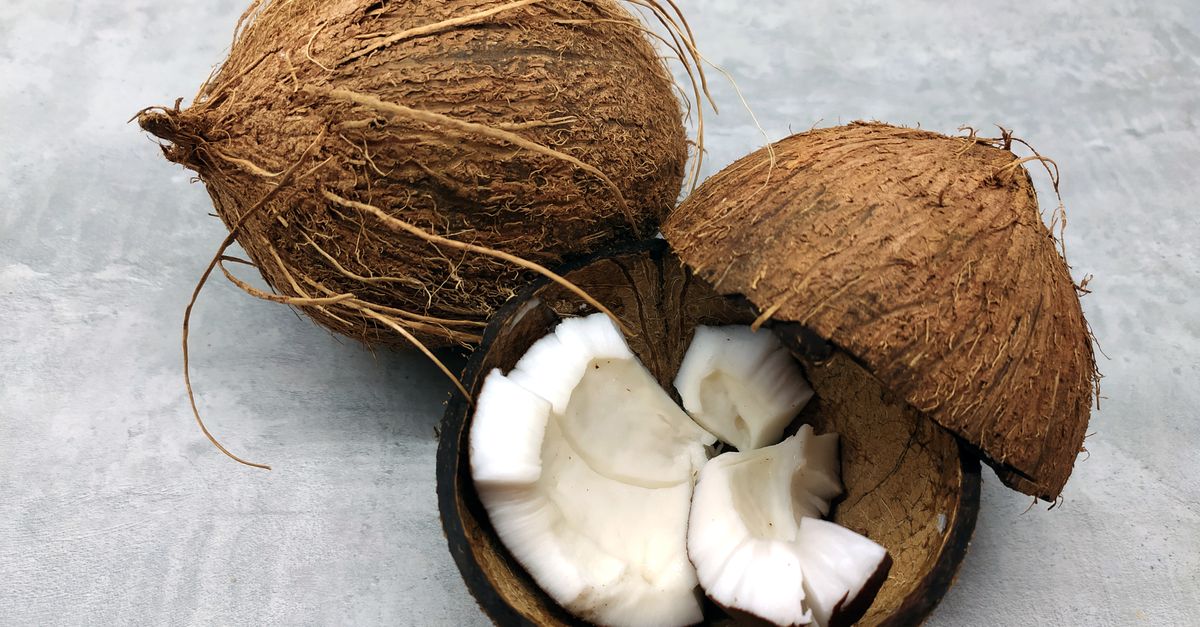
Upon arriving in Kerala, visitors will encounter an array of vegetarian dishes that showcase the state's culinary expertise. Expect dishes like Avial, a thick mixture of vegetables and coconut, and Thoran, a dry vegetable dish with grated coconut. These dishes are typically served with steamed rice and papadums, providing a complete meal that is both nutritious and filling. Coconut milk and coconut oil are widely used, lending a creamy texture and a subtle sweetness to the dishes. Variations may include the addition of local spices such as mustard seeds, curry leaves, and turmeric, which enhance the flavor profile and add a hint of warmth. For those new to Kerala's cuisine, the balance of flavors and textures provides an inviting introduction to the region's vegetarian offerings.
The Story Behind the Dish
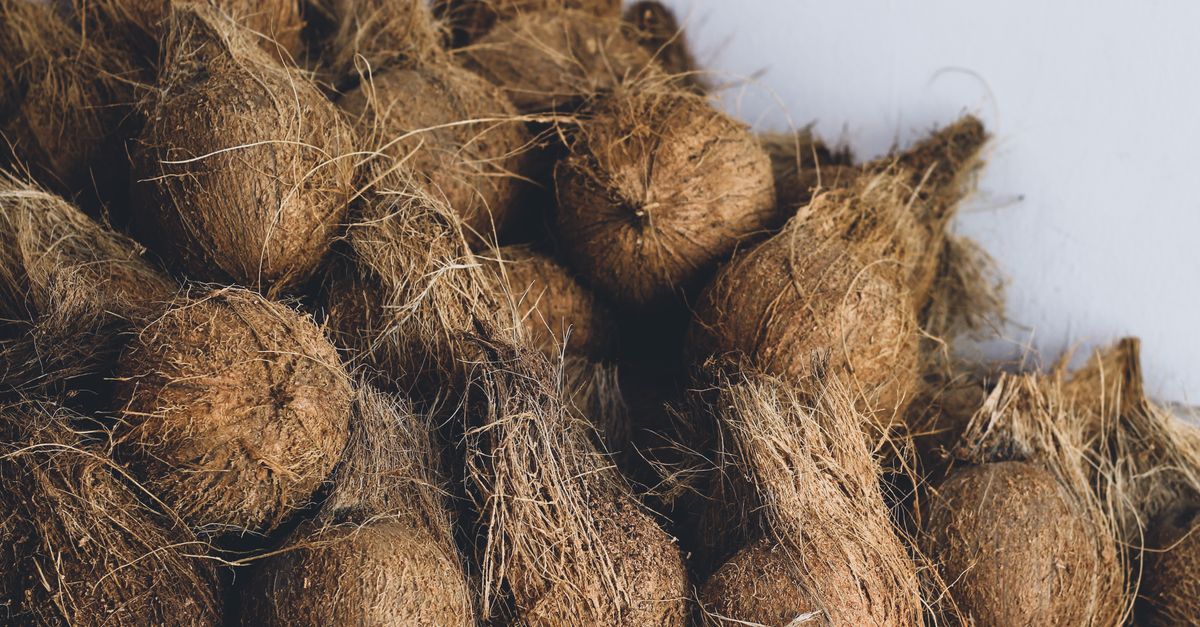
The use of coconut in Kerala's cuisine is deeply rooted in the region's history and geography. With its extensive coastline and abundant coconut trees, Kerala naturally evolved into a coconut-centric food culture. The coconut tree is often referred to as the "Kalpavriksha" or the "tree of life," as every part of it is utilized in daily life, from the fruit to the leaves. Historically, coconuts have been a staple in the diet of Keralites, providing essential nutrients and a source of energy.
The integration of coconut into vegetarian dishes is also linked to the state's predominantly Hindu population, many of whom follow a vegetarian diet. The development of these coconut-based dishes can be traced back to ancient times when the local communities relied on the natural resources available to them. This reliance on coconut has given rise to a variety of dishes that are not only delicious but also reflect the cultural and religious practices of the region. Over time, these dishes have been passed down through generations, with each family adding their unique touch, resulting in a diverse array of flavors that define Kerala's vegetarian cuisine today.
How Locals Eat It
In Kerala, meals are typically enjoyed in a communal setting, with family and friends gathering around a banana leaf-laden table. Locals often start their day with a hearty breakfast of Puttu, steamed rice cakes layered with coconut, served alongside Kadala Curry, a spicy chickpea dish. This combination provides a nutritious start to the day, packed with protein and fiber. Lunch and dinner usually feature a variety of coconut-based dishes, accompanied by rice and a range of side dishes.

One of the most popular ways locals enjoy these dishes is through a traditional Sadhya, a vegetarian feast served on special occasions. This elaborate meal consists of multiple dishes, each with its unique flavor and texture, all served on a banana leaf. Coconut plays a significant role in many of these dishes, from the creamy Parippu Curry to the tangy Pachadi. Eating with hands is customary, as it is believed to enhance the dining experience by engaging all the senses. For locals, these meals are not just about sustenance but also a celebration of community and tradition.
Where to Find It
Kerala's coconut kitchen can be experienced in various settings, from lively street markets to serene backwater retreats. In Kochi, head to the local markets such as Broadway and Ernakulam Market, where vendors offer a range of coconut-infused snacks and meals. Here, you can find everything from freshly made Banana Fritters to spicy Masala Dosas, all featuring the distinct flavor of coconut.

For a more traditional experience, venture into the countryside to find family-run eateries and homestays in Alleppey. These establishments often serve home-cooked meals that highlight the traditional flavors of Kerala's vegetarian cuisine. Many of these places offer cooking classes, allowing visitors to learn the art of preparing coconut-based dishes firsthand. Additionally, the annual Onam festival is an excellent opportunity to sample a traditional Sadhya, as many restaurants and community centers offer this festive meal during the celebrations.
City vs. Countryside Flavor
The flavor of Kerala's coconut kitchen varies between the lively cities and the tranquil countryside. In urban areas like Kochi, the influence of trade and tourism is evident in the diverse range of dishes available. Street vendors and restaurants often experiment with coconut, incorporating it into fusion dishes that blend traditional flavors with modern techniques. This results in a dynamic dining scene where visitors can sample everything from coconut-infused pizzas to innovative desserts.
In contrast, the countryside offers a more traditional taste of Kerala's vegetarian cuisine. In places like Alleppey, the focus is on preserving age-old recipes and cooking methods. Here, dishes are prepared using fresh, locally sourced ingredients, with an emphasis on simplicity and traditionality. The use of wood-fired stoves and traditional cooking vessels adds a distinct flavor to the dishes, reminiscent of a time when life was slower and meals were enjoyed at a leisurely pace. For those seeking an traditional taste of Kerala, the countryside provides an opportunity to experience the true essence of the region's coconut kitchen.
Cost, Portions, and Ordering Tips
Dining in Kerala offers excellent value for money, with generous portions and affordable prices. In Kochi, street food stalls and local eateries offer meals for as little as 50 to 100 INR, making it easy to sample a variety of dishes without breaking the bank. Restaurants in the city may charge slightly more, but the quality and variety of food make it worth the expense. In the countryside, family-run establishments often provide larger portions at similar prices, ensuring visitors leave satisfied.
When ordering, it's helpful to familiarize yourself with common dish names and ingredients. Many menus are available in English, but knowing a few local terms can enhance your dining experience. For example, "Thoran" refers to a dry vegetable dish with coconut, while "Avial" is a mixed vegetable curry. It's also worth asking for recommendations from locals, as they can often point you toward the best dishes and eateries. Keep in mind that many places serve meals on banana leaves, which is a traditional practice in Kerala. Embrace this unique dining experience, and don't hesitate to use your hands to fully enjoy the flavors and textures of the meal.
What to Know Before You Try It
Before diving into Kerala's coconut kitchen, there are a few things to keep in mind. First, be prepared for the liberal use of coconut in various forms, from grated coconut to coconut milk and oil. This ingredient is a staple in most dishes, providing a distinct flavor that may be new to some visitors. Additionally, many dishes are spiced with local ingredients such as mustard seeds, curry leaves, and green chilies, which can add a kick to the meal. If you prefer milder flavors, don't hesitate to ask for less spice when ordering.
Another consideration is dietary restrictions. While Kerala's vegetarian cuisine is generally suitable for vegetarians and vegans, some dishes may contain ghee or yogurt. It's always best to inquire about the ingredients if you have specific dietary needs. Lastly, be mindful of food safety, especially when eating street food. Opt for stalls that are busy and have a high turnover, as this usually indicates fresher ingredients. By keeping these tips in mind, you can enjoy a safe and delicious dining experience in Kerala.
Common Mistakes Visitors Make
One common mistake visitors make when exploring Kerala's coconut kitchen is underestimating the spice level. While the dishes are flavorful and aromatic, they can also be quite spicy for those unaccustomed to Indian cuisine. To avoid an overwhelming experience, start with milder dishes and gradually work your way up to spicier options. Don't hesitate to ask for recommendations or adjustments to the spice level when ordering.
Another mistake is overlooking the importance of the banana leaf. In Kerala, meals served on banana leaves are not only traditional but also enhance the flavors of the food. Some visitors may be hesitant to eat with their hands, but this practice is an integral part of the dining experience. Embrace the local customs and enjoy the tactile aspect of the meal. Additionally, visitors often miss out on the opportunity to learn about the dishes they are eating. Engaging with locals, asking questions, and even participating in cooking classes can provide valuable insights into the ingredients and techniques used in Kerala's vegetarian cuisine.
Frequently Asked Questions
Is Kerala’s coconut cuisine better in the city or countryside?
For traditional flavors and larger portions, the countryside is ideal. Cities offer newer versions and more convenience.
What does a typical Kerala coconut curry taste like?
A typical Kerala coconut curry is creamy with a subtle sweetness from the coconut, balanced by mild spices and fresh herbs.
How much does a meal in Kerala usually cost?
A meal in Kerala typically costs between $2 to $5 at local eateries, with prices slightly higher in tourist areas.
What should I order with Kerala’s coconut-based dishes?
Pair coconut-based dishes with steamed rice, papadums, and a variety of pickles for a complete meal.
Related Golden Horizons Guides
- Best Countries to Retire Abroad on a Budget
- Healthcare Abroad for American Retirees
- Retiring Abroad Checklist for Americans
- Visa Rules for Americans Retiring Abroad
About Golden Horizons
Golden Horizons is the retirement abroad magazine for Americans who aren’t done yet.
Final Bite
Kerala's coconut kitchen offers a comforting and flavorful introduction to the region's vegetarian cuisine. With its emphasis on coconut and local spices, each dish provides a distinctive taste of Kerala's food traditions. Whether you explore the lively markets of Kochi or the tranquil backwaters of Alleppey, you're sure to find a variety of dishes that cater to your palate. Embrace the local customs, enjoy the traditional flavors, and experience the communal dining that defines Kerala's coconut kitchen. As you explore this culinary haven, you'll find that the true essence of Kerala lies in its simplicity, traditionality, and warmth.