Quick Taste
Dumplings in Xi’an are a savory staple with a delicate, chewy texture, offering a burst of flavor with each bite. Xi’an is best for traditional flavors and family-style dining, while its lively markets provide convenience for first-time visitors. The city offers larger portions and a variety of fillings, making it ideal for those seeking traditional experiences. For lighter options, the tea houses scattered throughout Xi’an offer a serene escape with a range of fragrant teas.
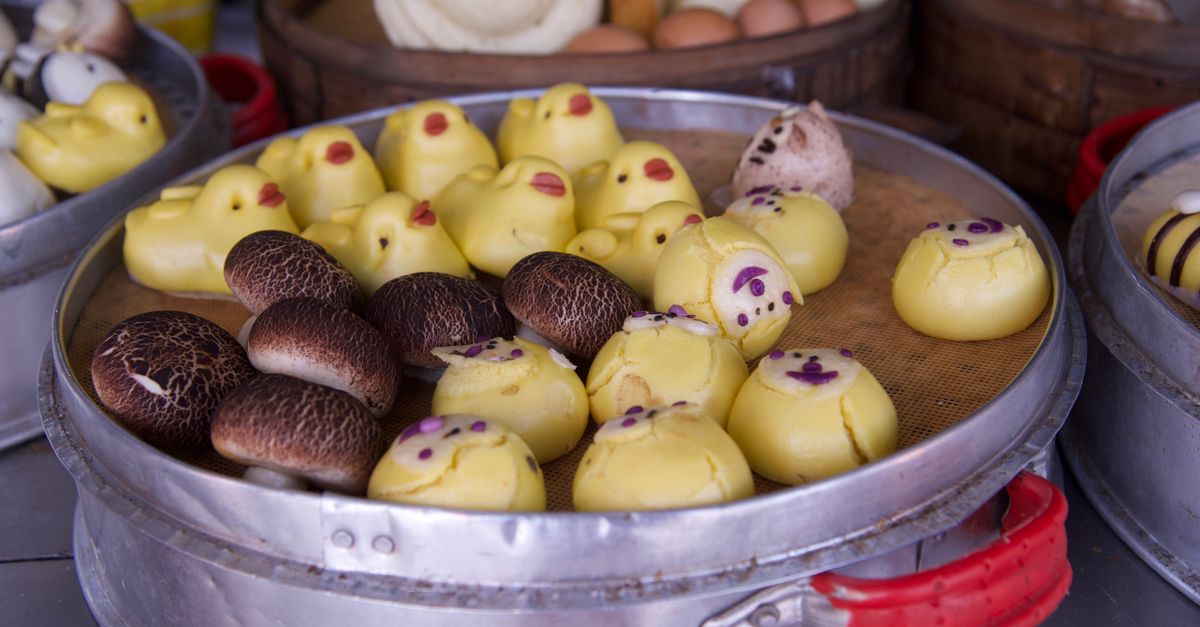
Visitors to Xi’an will encounter dumplings served in various forms, from steamed to boiled, each with a distinct texture and taste. Typically, dumplings are filled with pork, beef, or lamb, mixed with local herbs and spices, creating a delightful blend of flavors. They are often accompanied by a selection of dipping sauces, including vinegar, soy sauce, and chili oil, allowing diners to customize their taste experience. Tea is usually served hot, with green and jasmine varieties being the most popular, providing a refreshing counterbalance to the savory dumplings.
The Story Behind the Dish
Xi’an, a city steeped in history as the starting point of the Silk Road, offers a culinary tapestry that reflects its rich past. Dumplings, or "jiaozi," are a cornerstone of this heritage. Traditionally made with wheat flour dough, dumplings are filled with minced pork, beef, or lamb, often mixed with cabbage or leeks. These parcels of flavor are a symbol of family unity and prosperity, commonly enjoyed during festive occasions like Chinese New Year. The art of making dumplings is passed down through generations, with each family adding its unique touch to the filling and folding technique.
Xi’an’s location on the ancient Silk Road has influenced its food traditions, introducing a variety of flavors and techniques from different cultures. This has led to the development of unique dumpling recipes that incorporate local ingredients and spices, setting them apart from other regions in China. The art of dumpling-making in Xi’an is celebrated with dumpling banquets, where dozens of different types are served, each crafted with precision and creativity.
How Locals Eat It
In Xi’an, dumplings are more than just a meal; they are a social experience. Locals often gather around family tables to make and eat dumplings together, especially during holidays. They are typically boiled or steamed and served with a side of black vinegar and chili oil for dipping. Dumplings are enjoyed at any time of day, but they are particularly popular at lunch and dinner. Accompanying these meals, tea is a staple, with varieties like jasmine and oolong enhancing the dining experience.

Tea plays a crucial role in the dining experience, often served throughout the meal to cleanse the palate and aid digestion. It is customary to sip tea slowly, enjoying its aroma and flavor between bites of dumplings. This practice reflects the local emphasis on balance and harmony in meals, where each component complements the others to create a satisfying dining experience.
Where to Find It
Visitors can find dumplings in various settings across Xi’an, from lively street markets to cozy family-run restaurants. The Muslim Quarter is a popular hub where street vendors sell freshly made dumplings alongside other local delicacies. For a more traditional setting, neighborhood restaurants offer dumpling banquets, where diners can sample an array of flavors and styles. These venues often provide an traditional atmosphere, complete with local families and lively conversation.

Tea houses are also prevalent in Xi’an, providing a serene environment to relax and enjoy a cup of tea. These establishments often offer a wide selection of teas, allowing guests to explore different flavors and aromas. Whether you’re in a lively market or a quiet tea house, the culinary delights of Xi’an are never far away.
City vs. Countryside Flavor
In Xi’an, the urban landscape offers a rich tapestry of dumpling varieties, with the city center focusing on convenience and accessibility. Here, dumplings are often larger and filled with a mix of meats and vegetables, catering to those seeking hearty meals. The countryside, however, remains true to traditional flavors, with smaller, more delicately flavored dumplings that highlight the quality of local ingredients. For those with dietary restrictions, the city provides more options, including vegetarian and gluten-free variations.
Tea also varies between the city and countryside. In Xi’an, tea culture is more formalized, with a wide range of options available in tea houses and restaurants. In rural areas, tea is often homemade, using locally sourced leaves and traditional brewing techniques. This results in a more rustic flavor, offering a different perspective on the tea-drinking experience.
Cost, Portions, and Ordering Tips
Dumplings in Xi’an are generally affordable, with a typical serving costing between 15 to 30 RMB. Portions are generous, often served by the dozen, making them ideal for sharing. Cash is the preferred method of payment in smaller establishments, though larger restaurants may accept cards. When ordering, it’s helpful to know basic phrases like "yī bǎi gè jiǎozi" (one hundred dumplings) if you're ordering for a group. Tourist areas may charge a premium, so venturing slightly off the beaten path can offer better value.
When ordering, it’s helpful to know a few key phrases in Mandarin, such as “jiaozi” for dumplings and “cha” for tea. This can make the ordering process smoother and enhance your dining experience. Additionally, don’t hesitate to ask for recommendations from locals or waitstaff, as they can often guide you to the best options available.
What to Know Before You Try It
While dumplings are a worth trying, be mindful of potential allergens like gluten and nuts, as some fillings may include peanuts. Food safety is generally high in Xi’an, but it’s wise to choose stalls with a steady stream of local customers, indicating fresh and popular offerings. The spice level can vary, so ask for milder options if you're sensitive to heat. Seating in street markets can be limited, so be prepared for a more casual dining experience.
Before diving into a dumpling feast in Xi’an, it’s important to be aware of potential dietary concerns. Many dumplings contain meat, so vegetarians should inquire about available options or look for vegetable-filled dumplings. Additionally, some dumplings may contain allergens such as peanuts or shellfish, so it’s wise to ask about ingredients if you have food sensitivities.
Common Mistakes Visitors Make
One common mistake is assuming all dumplings are the same. In Xi’an, the variety is vast, and each type offers a different taste and texture. Visitors often overlook the importance of the dipping sauce, which enhances the flavor significantly. Another error is sticking to tourist-heavy areas; exploring local neighborhoods can lead to more traditional and affordable experiences. Lastly, not trying the local tea can miss a crucial aspect of the dining ritual.
Another mistake is neglecting the importance of tea in the dining experience. Tea is not just a beverage; it is an integral part of the meal that enhances the flavors of the food. Visitors should take the time to enjoy their tea, appreciating its role in balancing the richness of the dumplings.
Frequently Asked Questions
Is Xi’an better for traditional dumplings or newer versions?
Xi’an excels in traditional dumplings, with a focus on traditional flavors and family recipes. Modern variations can be found but are less prevalent.
What do dumplings in Xi’an taste like?
Dumplings in Xi’an are savory with a chewy texture, often filled with a mix of meats and vegetables, offering a burst of flavor with each bite.
How much do dumplings usually cost in Xi’an?
Dumplings typically cost between 15 to 30 RMB per serving, depending on the location and type.
What should I order with dumplings in Xi’an?
Pair dumplings with jasmine or oolong tea to enhance the flavors and enjoy a complete local dining experience.
Related Golden Horizons Guides
- Best Countries to Retire Abroad on a Budget
- Healthcare Abroad for American Retirees
- Retiring Abroad Checklist for Americans
- Visa Rules for Americans Retiring Abroad
About Golden Horizons
Golden Horizons is the retirement abroad magazine for Americans who aren’t done yet.
Final Bite
Dumplings in Xi’an offer a window into the city’s rich cultural tapestry, blending history with modern-day life. Ideal for food enthusiasts and cultural enthusiasts alike, this dish is a testament to the communal spirit and culinary tradition of Xi’an. Before indulging, remember that the true essence of dumplings lies not just in their taste, but in the shared experience of making and enjoying them with others.