Quick Taste
Belgian waffles in Belgium are crisp on the outside and fluffy on the inside, with a hint of sweetness. Brussels is better for classic lightness, while Liège is better for caramelized richness. Belgian chocolate is smooth and creamy, with Brussels offering a more refined selection and Bruges providing an artisanal experience. Beer-braised dishes, such as carbonnade flamande, are hearty and flavorful, with Ghent offering traditional depth and Antwerp providing a newer take.

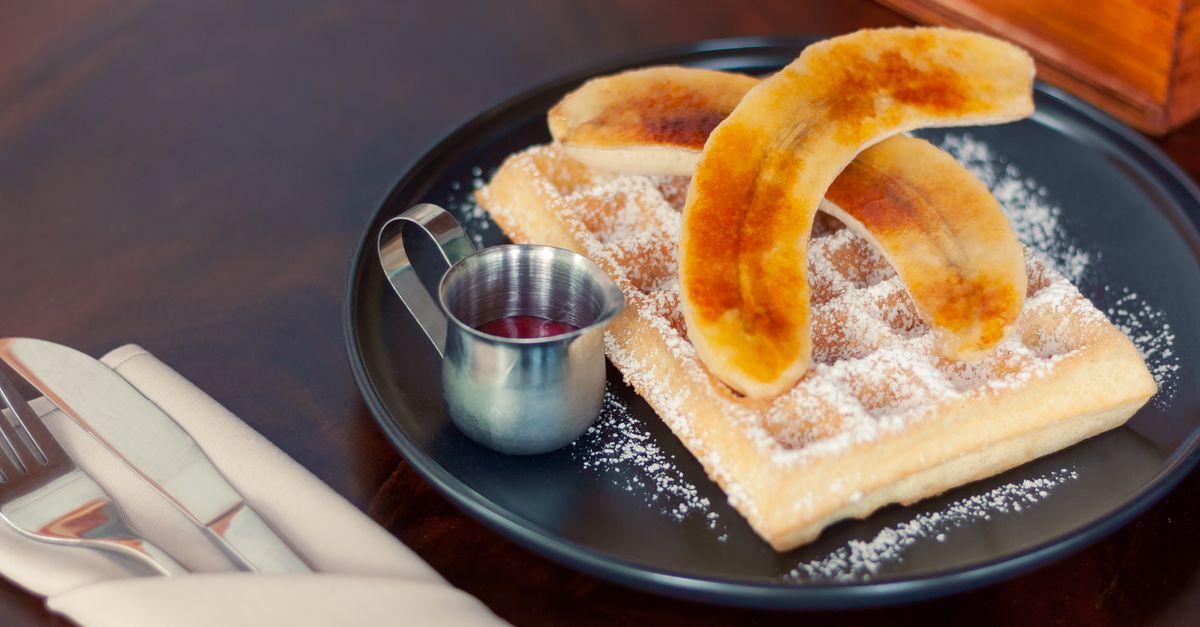
Belgian waffles are a staple in the country's culinary repertoire, with two primary variations: the Brussels waffle and the Liège waffle. The Brussels waffle is lighter and typically served with powdered sugar, fresh fruits, or whipped cream. In contrast, the Liège waffle is denser, with a caramelized sugar coating that provides a sweet and chewy texture. Belgian chocolate is renowned for its high cocoa content and velvety texture, often found in pralines and truffles. Beer-braised comfort foods like carbonnade flamande, a beef stew cooked with Belgian beer, offer a savory, warming experience often accompanied by fries or mashed potatoes.
The Story Behind the Dish
Belgian waffles have a storied history, tracing back to the Middle Ages when they were cooked over an open fire using a waffle iron. The Brussels waffle gained international fame during the 1964 World's Fair in New York, where it was introduced to a global audience. The Liège waffle, on the other hand, is said to have originated in the Prince-Bishopric of Liège, crafted by a chef for the prince who desired something sweet.
Belgian chocolate's reputation was cemented in the 19th century when Jean Neuhaus, a Swiss immigrant, opened a pharmacy in Brussels and began coating medicines with chocolate to make them more palatable. This led to the creation of pralines, a cherished Belgian confection. Beer-braised dishes like carbonnade flamande have roots in the country's brewing culture, where beer is not only a beverage but also a key ingredient in many traditional recipes, adding depth and flavor to stews and sauces.
How Locals Eat It
In Belgium, waffles are often enjoyed as a street food snack or a casual dessert. Locals typically enjoy them plain or with minimal toppings to appreciate the waffle's texture and flavor. Chocolate is a cherished treat, with Belgians frequenting specialized chocolatiers to enjoy high-quality pralines and truffles. It's common to see locals purchasing small assortments to enjoy with coffee or to gift to friends and family.

Beer-braised dishes are a staple in Belgian households, especially during colder months. Carbonnade flamande, for example, is a popular choice for family gatherings and is often served with a side of crispy fries or creamy mashed potatoes. The dish is typically enjoyed with a glass of the same beer used in the cooking process, enhancing the malty flavors.
Where to Find It
For the best Belgian waffles, head to Brussels or Liège, where street vendors and cafes serve fresh waffles throughout the day. Maison Dandoy in Brussels is a renowned spot for both types of waffles, offering a cozy setting to enjoy this treat. In Bruges, The Old Chocolate House is a must-visit for chocolate enthusiasts, offering an array of pralines and hot chocolate.

Beer-braised comfort foods can be found in traditional Belgian brasseries and pubs. In Ghent, De Graslei is a popular choice for carbonnade flamande, offering a attractive view of the city's canals. Antwerp's Paters Vaetje, located near the Cathedral of Our Lady, is known for its hearty stews and extensive beer selection, providing a newer take on classic dishes.
City vs. Countryside Flavor
In the lively cities of Belgium, such as Brussels and Antwerp, you'll find a more cosmopolitan approach to traditional dishes. Waffles are often served with a variety of toppings, from fresh fruits to artisanal ice creams, catering to a diverse palate. Chocolatiers in urban areas experiment with unique flavors and fillings, offering a contemporary take on classic pralines.
In contrast, the countryside offers a more rustic and traditional experience. In smaller towns and rural areas, waffles are typically enjoyed plain or with simple accompaniments, allowing the natural flavors to shine. Chocolatiers in these regions focus on time-honored recipes, producing chocolates with classic flavors like hazelnut and almond. Beer-braised dishes in the countryside are often heartier, with larger portions and a focus on locally sourced ingredients.
Cost, Portions, and Ordering Tips
Belgian waffles are relatively affordable, with prices ranging from €2 to €5 depending on the location and toppings. When ordering, opt for a plain waffle to truly appreciate its texture and flavor, or choose minimal toppings like powdered sugar or fresh fruit. Chocolates are priced by weight, with pralines typically costing around €1 to €2 each. It's advisable to purchase a small assortment to sample different flavors.
Beer-braised dishes like carbonnade flamande are moderately priced, with portions typically costing between €15 and €25. When ordering, inquire about the type of beer used in the stew, as it can significantly impact the flavor profile. For a more traditional experience, pair your meal with a local beer, which complements the dish's flavors.
What to Know Before You Try It
Before enjoying Belgian waffles, be aware that the texture and taste can vary significantly between the Brussels and Liège varieties. If you have dietary restrictions, note that waffles often contain gluten and dairy. Belgian chocolate is generally safe for those with nut allergies, but it's always best to check with the chocolatier regarding cross-contamination.
Beer-braised dishes may contain alcohol, although most of it evaporates during the cooking process. If you prefer a non-alcoholic option, inquire if the dish can be prepared without beer. Additionally, be mindful of portion sizes, as Belgian meals can be quite filling.
Common Mistakes Visitors Make
One common mistake visitors make is overloading their waffles with toppings, which can overshadow the waffle's delicate flavor and texture. It's best to start with a plain waffle or minimal toppings to truly appreciate its quality. Another mistake is purchasing chocolate from tourist shops instead of visiting reputable chocolatiers, where the quality is significantly higher.
When it comes to beer-braised dishes, visitors often overlook the importance of pairing the meal with the right beer. Choosing a beer that complements the dish can enhance the overall dining experience. Additionally, some visitors may underestimate the portion sizes of Belgian meals, leading to food waste or an overly full stomach.
Frequently Asked Questions
What is the difference between Brussels and Liège waffles?
Brussels waffles are lighter, crispier, and typically rectangular, served with powdered sugar or light toppings. Liège waffles are denser, sweeter, and have a caramelized sugar coating, often enjoyed plain or with minimal additions.
How is Belgian chocolate different from other chocolates?
Belgian chocolate is known for its high cocoa content and smooth texture, often used in pralines and truffles. It is crafted with meticulous attention to quality and flavor, setting it apart from mass-produced chocolates.
What makes Belgian beer-braised dishes unique?
Belgian beer-braised dishes, like carbonnade flamande, are distinctive due to the use of local beers that add depth and complexity to the flavors. The slow-cooking process ensures tender meat and a savory sauce.
Can I find vegetarian options for Belgian comfort food?
Yes, many Belgian restaurants offer vegetarian versions of traditional dishes. For example, some places serve vegetable stews or use plant-based proteins as a substitute in beer-braised recipes.
Related Golden Horizons Guides
- Best Countries to Retire Abroad on a Budget
- Healthcare Abroad for American Retirees
- Retiring Abroad Checklist for Americans
- Visa Rules for Americans Retiring Abroad
About Golden Horizons
Golden Horizons is the retirement abroad magazine for Americans who aren’t done yet.
Final Bite
Belgium offers a diverse array of dining experiences that go beyond its famous waffles, chocolate, and beer-braised dishes. Whether you're enjoying a light Brussels waffle on a lively street corner, indulging in a praline from a renowned chocolatier, or enjoying a carbonnade flamande in a cozy brasserie, Belgian cuisine provides a comforting and flavorful experience. Each dish tells a story of tradition, innovation, and a deep appreciation for quality ingredients. As you explore the country's culinary offerings, take the time to appreciate the nuances and craftsmanship that make Belgian food a true delight.