Vietnam - Long-Term Visa Options for Retirees — A Local's Perspective
Vietnam has become an increasingly attractive destination for American retirees seeking a vibrant yet affordable lifestyle. The country's rich culture, warm climate, and welcoming communities are just some of the reasons to consider this Southeast Asian gem. But before you pack your bags, it's crucial to understand the long-term visa options available for retirees. Navigating the visa landscape can be complex, but with the right information, you can make an informed decision about your potential new home.
Who This Option Is Really For
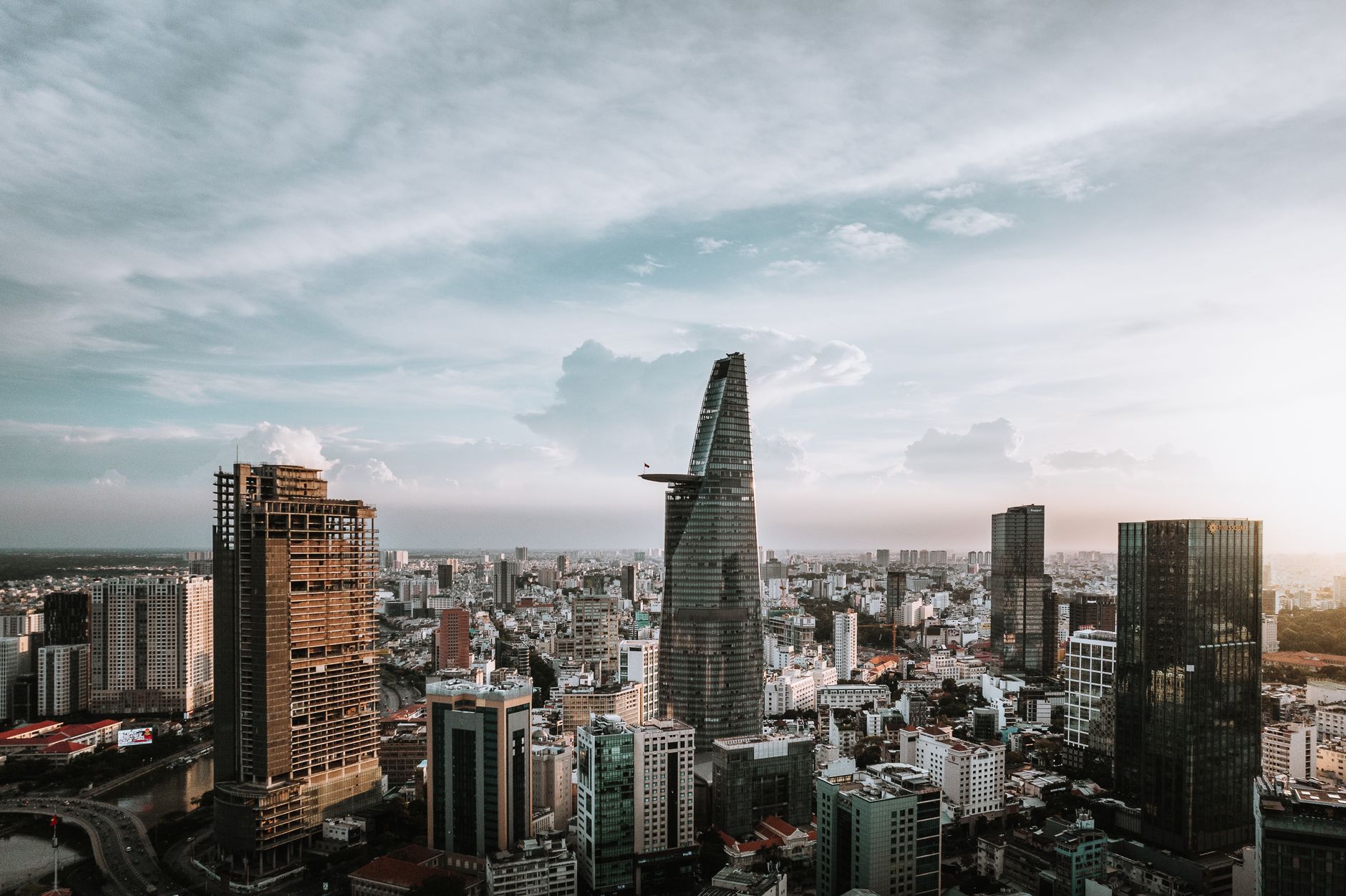
Vietnam's long-term visa options may appeal to retirees looking for a blend of adventure and comfort. This destination is ideal for those who appreciate bustling cities like Ho Chi Minh City and Hanoi, as well as serene coastal towns such as Da Nang and Nha Trang. The cost of living in Vietnam can be remarkably low, with many retirees living comfortably on a budget of $2,000 to $5,000 per month. This budget often covers housing, dining, healthcare, and leisure activities, making Vietnam a viable option for those seeking a fulfilling yet economical retirement.
However, Vietnam may not be the best fit for everyone. If you rely heavily on Western conveniences or prefer a slower-paced lifestyle, you might find the country's dynamic environment overwhelming. Additionally, language barriers can be a challenge, as English is not widely spoken outside major tourist areas. For retirees who value community and connection, integrating into the local culture may take time and effort. Therefore, it’s essential to weigh these factors when considering Vietnam as your retirement destination.
Requirements, Costs, and Timeline
For retirees interested in long-term stays, the most common visa option is the Vietnam Tourist Visa, which can be extended for up to 90 days. Another option is the Vietnam Retirement Visa, which, while not officially offered, can be pursued through a Business Visa or Investor Visa, depending on your circumstances. These visas typically require sponsorship from a Vietnamese company or investment in local businesses or real estate.
The Vietnam Tourist Visa can be obtained online or through a Vietnamese embassy or consulate. The process usually takes a few days to a week, depending on your location and the method of application. The cost for a single-entry visa typically ranges from $25 to $50, while a multiple-entry visa may cost between $50 and $135. Extensions and renewals are possible, but they come with additional fees and paperwork.

For those considering the Business Visa route, it's important to note that this option requires a more significant financial commitment. You may need to demonstrate a certain level of investment in Vietnam, which can vary based on the type of business or real estate venture. The application process for a Business Visa can be more complicated and may require legal assistance.
Mistakes to Avoid Before Applying
Navigating the visa application process can be daunting, and there are several common pitfalls that retirees should avoid. First, ensure that all your paperwork is in order before submitting your application. Missing documents or incorrect information can lead to delays or even denial of your visa. It's advisable to consult with a reputable visa agency or legal expert familiar with Vietnamese immigration laws to ensure a smooth application process.
Another mistake to avoid is underestimating the importance of health insurance. While Vietnam offers affordable healthcare, it's crucial to have comprehensive international health insurance coverage in place before your move. This will not only protect you in case of emergencies but also provide you with access to higher-quality medical facilities.
Lastly, don't overlook the importance of understanding the local culture and customs. While Vietnam is known for its friendly and hospitable people, cultural misunderstandings can occur if you're not prepared. Taking the time to learn some basic Vietnamese phrases and familiarizing yourself with local etiquette can go a long way in ensuring a successful transition to your new life abroad.
In conclusion, Vietnam offers a wealth of opportunities for retirees seeking an exciting and affordable lifestyle. By understanding the long-term visa options, preparing thoroughly, and embracing the local culture, you can make the most of your retirement in this vibrant country. As always, retirees should verify important details with qualified professionals to ensure a smooth and enjoyable transition.


