
Georgia - Residency Options for U.S. Retirees — A Local’s Perspective
When considering retirement abroad, Georgia often flies under the radar for many Americans. Nestled at the crossroads of Europe and Asia, it offers a blend of Eastern and Western cultures that can be both intriguing and challenging. However, the decision to retire in Georgia is not just about embracing a new culture; it involves careful consideration of residency options, healthcare, and lifestyle adjustments. This article explores the practical aspects of retiring in Georgia, focusing on costs, daily life, and potential tradeoffs.
Cost of Living and Housing
For many retirees, Georgia's affordability can be a major draw. With a budget range of $2,000 to $5,000 per month, retirees can often live comfortably, especially outside the capital city of Tbilisi. In Tbilisi, the cost of living is higher, with a one-bedroom apartment in the city center costing between $400 to $800 per month. In contrast, smaller cities like Batumi or Kutaisi offer more affordable housing options, where similar accommodations can be found for $250 to $500 monthly. Utilities, including heating, electricity, and internet, typically add another $100 to $150 to your monthly expenses.
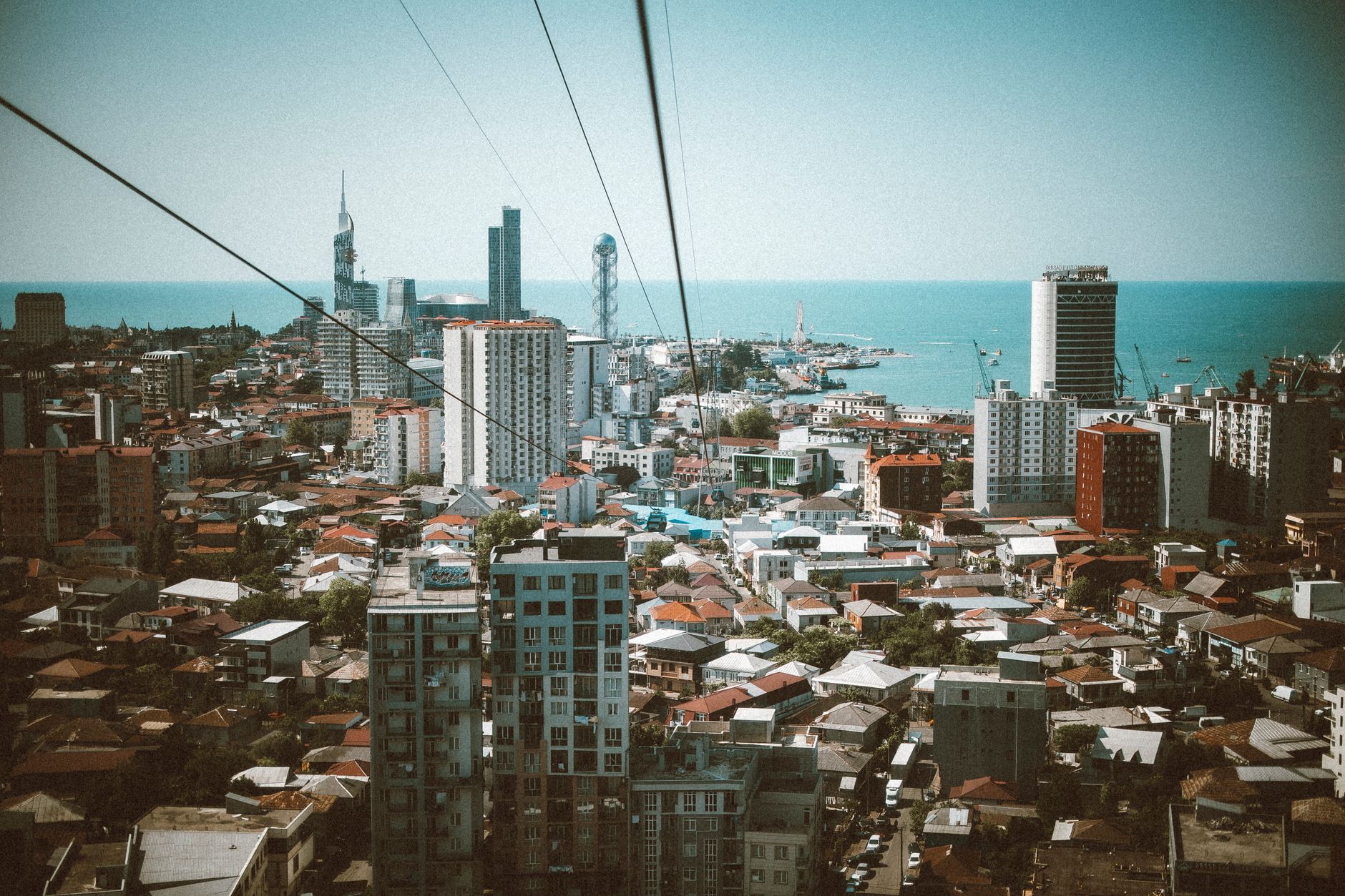
While the cost of living is generally low, retirees should be mindful of the tradeoff between price and quality. Affordable housing might mean older buildings with limited amenities. Additionally, while Georgia’s real estate market is less regulated, making it easier to find a place to live, it also means due diligence is crucial to avoid potential pitfalls.
Healthcare and Accessibility
Healthcare in Georgia is another factor that requires careful consideration. While the country has made significant strides in improving its healthcare system, it may not meet the standards some U.S. retirees are accustomed to. Public healthcare is available but often comes with long wait times and language barriers, as most medical staff primarily speak Georgian or Russian. Private healthcare facilities, which offer more personalized service and English-speaking staff, are available in larger cities like Tbilisi and Batumi. Costs for private healthcare can range from $30 to $50 for a general practitioner visit, with more specialized care costing significantly more.

One limitation to consider is the availability of certain medical treatments and medications, which may require traveling to neighboring countries like Turkey for more comprehensive care. Retirees should verify their specific healthcare needs against what is available locally and consider purchasing international health insurance to cover potential gaps in service.
Culture and Social Integration
Living in Georgia offers a unique cultural experience, where ancient traditions blend with modern influences. The country is known for its hospitality, and retirees can often find themselves warmly welcomed by locals. However, language can be a significant barrier, as Georgian is the official language and English is not widely spoken outside tourist areas. Learning basic Georgian phrases can greatly enhance daily interactions and ease social integration.
Social life in Georgia can be vibrant, with numerous cafes, markets, and cultural events providing opportunities for engagement. However, the pace of life may be slower than what some retirees are used to, particularly in rural areas. This slower pace can be an adjustment for those who thrive on a more fast-paced lifestyle. Additionally, while Georgia is generally safe, retirees should be cautious about political stability and regional tensions, which can occasionally impact daily life.
Overall, retiring in Georgia offers a mix of affordability, cultural richness, and potential challenges. By carefully weighing the costs, healthcare options, and lifestyle adjustments, retirees can determine if this intriguing destination aligns with their retirement goals.


