Uruguay - Safest Places to Retire in South America — A Local’s Perspective
Many envision South America as a region of vibrant cultures and diverse landscapes, yet often overlook Uruguay, a country that quietly offers one of the safest and most stable environments for retirees. While Uruguay might not boast the dramatic allure of its larger neighbors, it provides a unique blend of European charm and Latin American warmth. However, the decision to retire here involves weighing several factors, including cost of living, healthcare access, and lifestyle adjustments.
Cost of Living and Housing
Retiring in Uruguay may surprise some with its relatively modest cost of living, especially when compared to the United States. A comfortable retirement lifestyle here can range from $2,000 to $5,000 per month, depending on location and personal preferences. Montevideo, the capital, is the most expensive area, with one-bedroom apartments in the city center costing between $600 and $1,000 monthly. In smaller towns like Salto or Paysandú, similar accommodations might be closer to $400 to $700.
Daily life expenses such as groceries and utilities are generally affordable. A couple could expect to spend around $500 monthly on these necessities, though imported goods can be pricier. Dining out is a common pastime, with a three-course meal for two at a mid-range restaurant costing about $30.
However, retirees should be aware that while these costs are manageable, the price of imported goods and electronics can be high due to import taxes. Additionally, property taxes are low, but utility costs may be higher than expected, particularly during the winter months when heating is necessary.
Healthcare Access and Quality
Uruguay offers a robust healthcare system, which is often a significant consideration for retirees. The country provides a mix of public and private healthcare options. The public system is accessible and affordable, but many expatriates prefer private healthcare due to shorter wait times and more personalized care. A private healthcare plan can range from $100 to $200 per month, depending on coverage and age.

Montevideo hosts some of the best hospitals and specialists in the country, with quality care that often rivals that of the U.S. In smaller towns, healthcare facilities are adequate, but for specialized care, travel to the capital might be necessary.
One tradeoff to consider is that while healthcare is of high quality, language can be a barrier. Although many doctors speak English, especially in private facilities, retirees may find it beneficial to learn Spanish for more seamless interactions with medical staff and locals.
Daily Lifestyle and Transportation
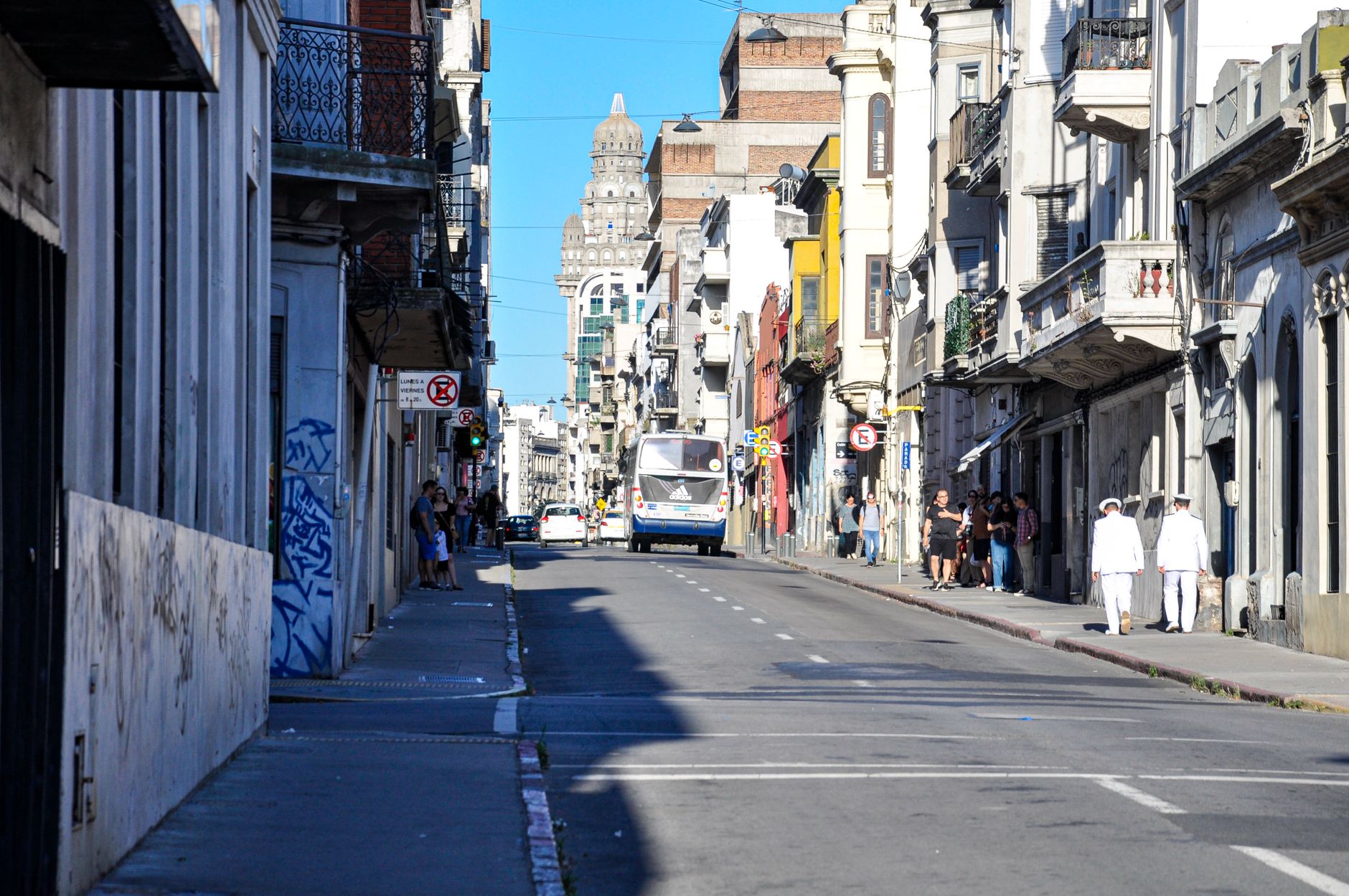
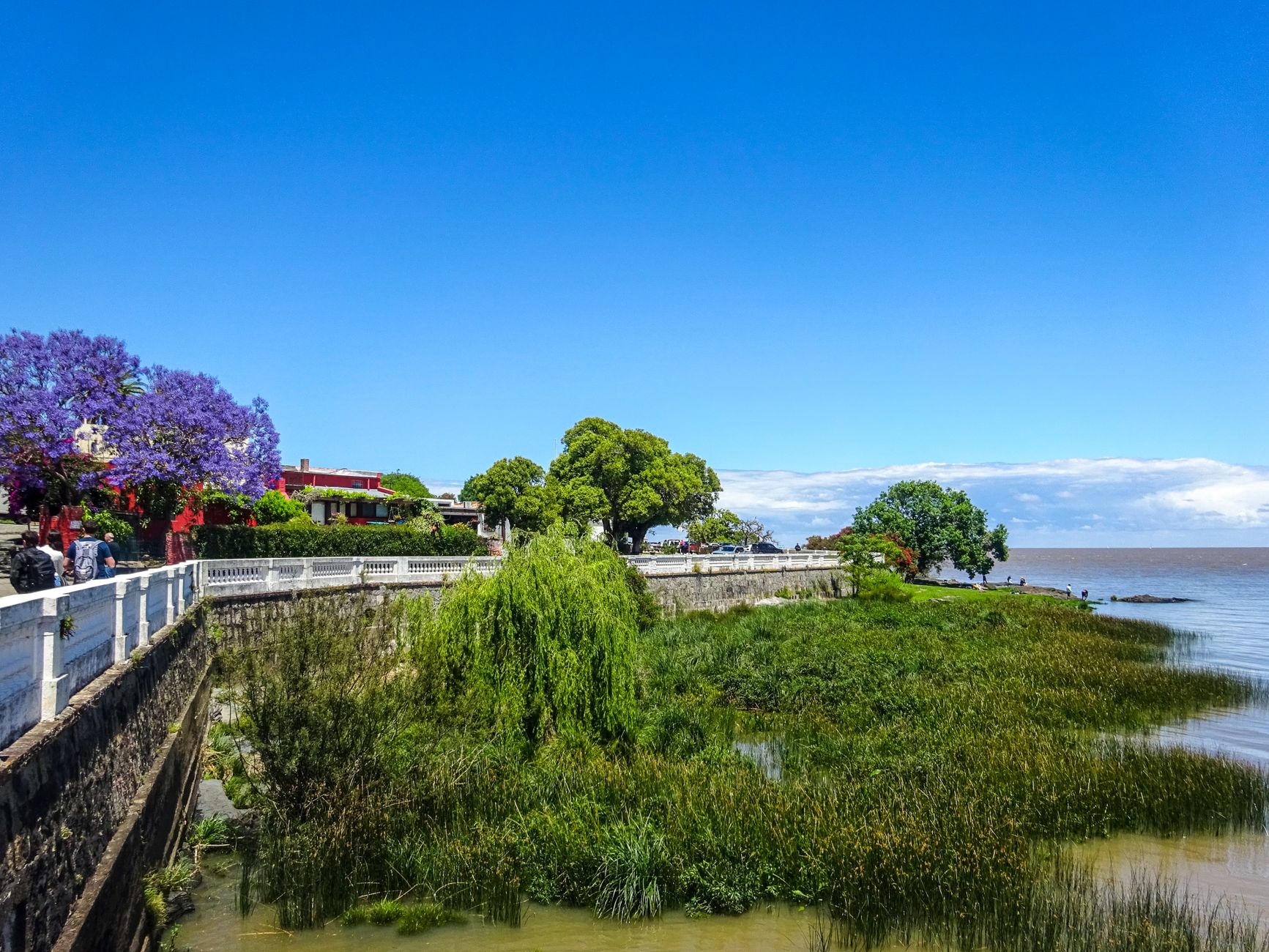
Uruguay's lifestyle is relaxed and community-oriented, offering a slower pace of life that many retirees find appealing. The country is known for its welcoming locals, and social life often revolves around family gatherings, cafes, and cultural events. Montevideo, with its European-style architecture and coastal promenades, provides a vibrant urban experience. In contrast, towns like Colonia del Sacramento offer a quaint, historic charm.
Public transportation in Uruguay is reliable, with buses being the primary mode of travel within cities and between towns. In Montevideo, a monthly bus pass costs around $40. However, retirees should note that outside the capital, public transport options can be limited, and owning a car might be necessary for convenience.
While Uruguay's laid-back lifestyle is attractive, it does come with certain limitations. The pace can be significantly slower than what many Americans are used to, and services may not operate with the same efficiency. Additionally, while the country is generally safe, petty crime such as pickpocketing can occur, particularly in crowded areas.
Overall, Uruguay presents a compelling option for retirees seeking safety, affordability, and a relaxed lifestyle. However, it’s important to consider individual needs and preferences, as well as the potential for cultural and logistical adjustments.