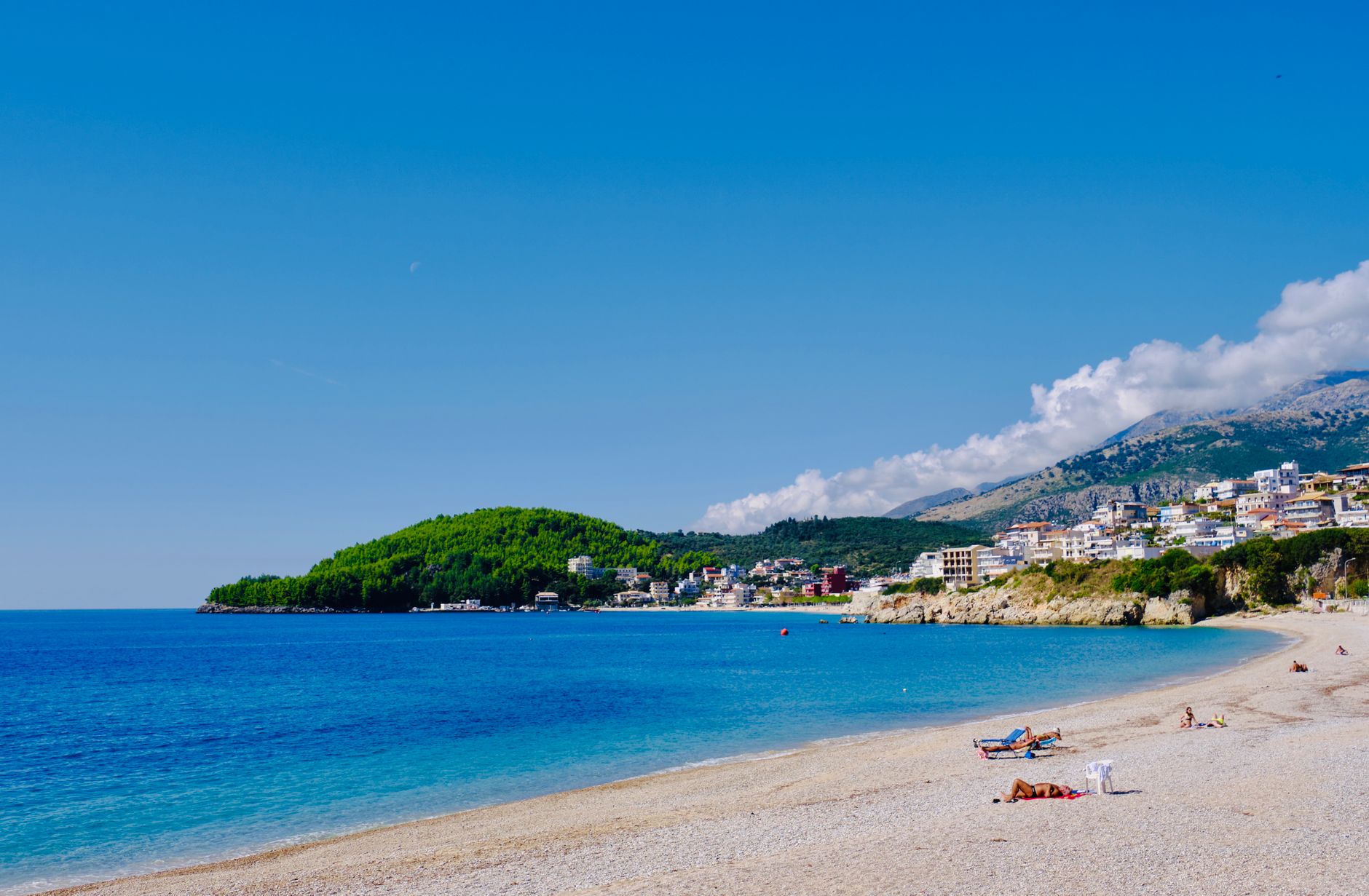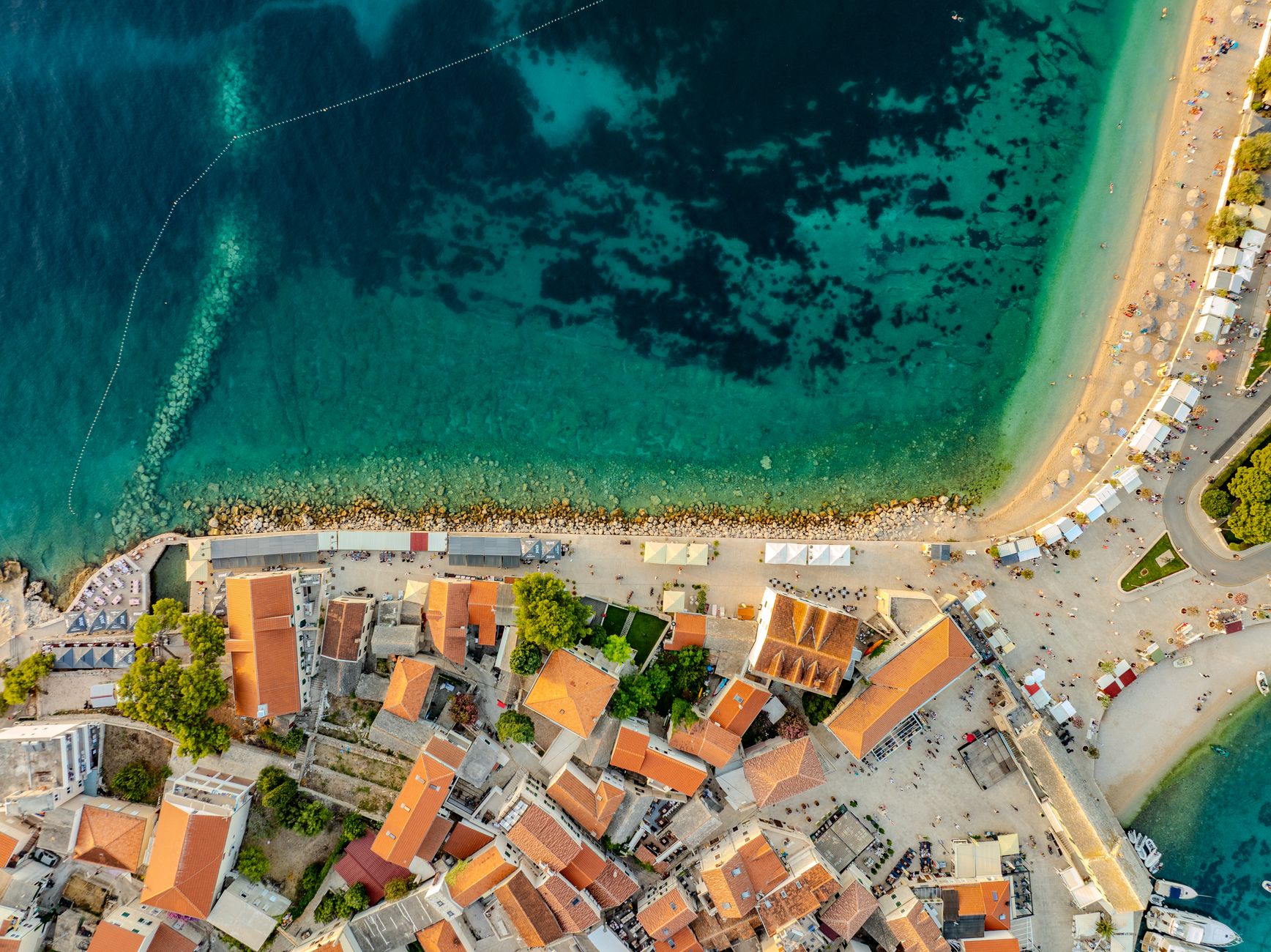
Croatia - Safest Coastal Towns in Croatia — A Local's Perspective
Croatia's stunning Adriatic coast has long been a draw for tourists, but it's also becoming a hotspot for retirees seeking a peaceful and picturesque life abroad. With its charming coastal towns, affordable cost of living, and laid-back lifestyle, Croatia may be an ideal retirement destination for those who prioritize safety and serenity. This article explores some of the safest coastal towns in Croatia, offering insights into daily life, community dynamics, and practical considerations for American retirees.
What Safety Really Looks Like Day to Day
Safety is often a top concern for retirees considering a move abroad. Fortunately, Croatia is known for its low crime rates and welcoming communities. Coastal towns such as Rovinj, Poreč, and Cavtat are particularly noted for their safety, offering a peaceful environment where retirees can enjoy their golden years without constant worry.
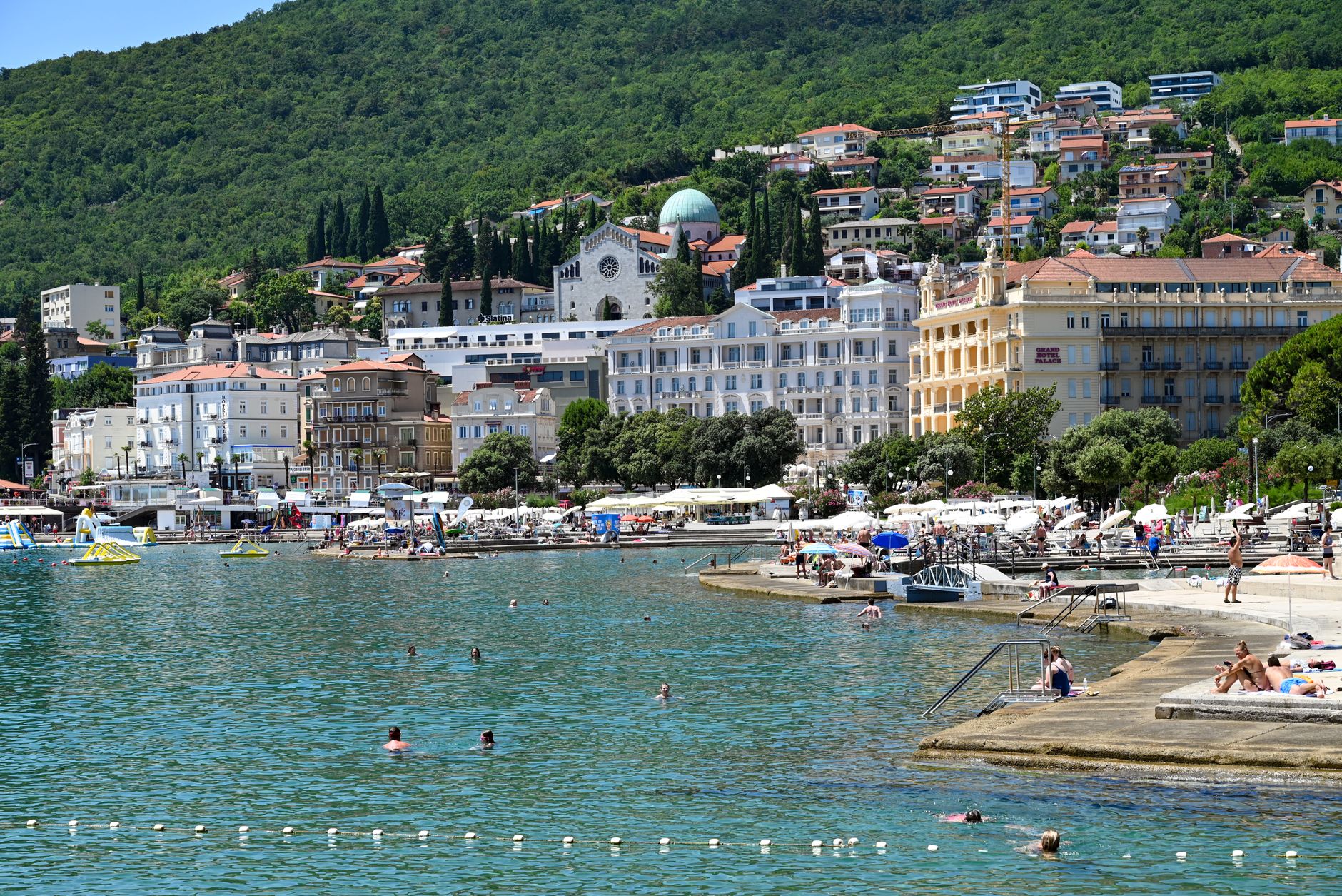
In these towns, daily life is characterized by a strong sense of community. Neighbors often know each other, and there's a prevailing culture of looking out for one another. This sense of camaraderie can be reassuring for newcomers, helping them feel integrated and secure. While petty crimes such as pickpocketing can occur, especially in tourist-heavy areas, violent crime is rare. Retirees may find that they can walk around freely, even at night, without feeling unsafe.
Public transportation is generally reliable and safe, making it easy to explore the region without needing a car. Buses and ferries connect the coastal towns, allowing retirees to enjoy day trips or visits to neighboring locales. It's always advisable to stay vigilant and keep personal belongings secure, but overall, the day-to-day experience is one of calm and security.
How Retirees Build Confidence Abroad
Moving to a new country can be daunting, but many retirees find that Croatia's welcoming atmosphere helps them build confidence quickly. Language barriers can be a concern, but English is widely spoken in these coastal towns, particularly among the younger generations and in tourist areas. This can ease the transition and help retirees navigate daily tasks such as shopping, dining, and socializing.
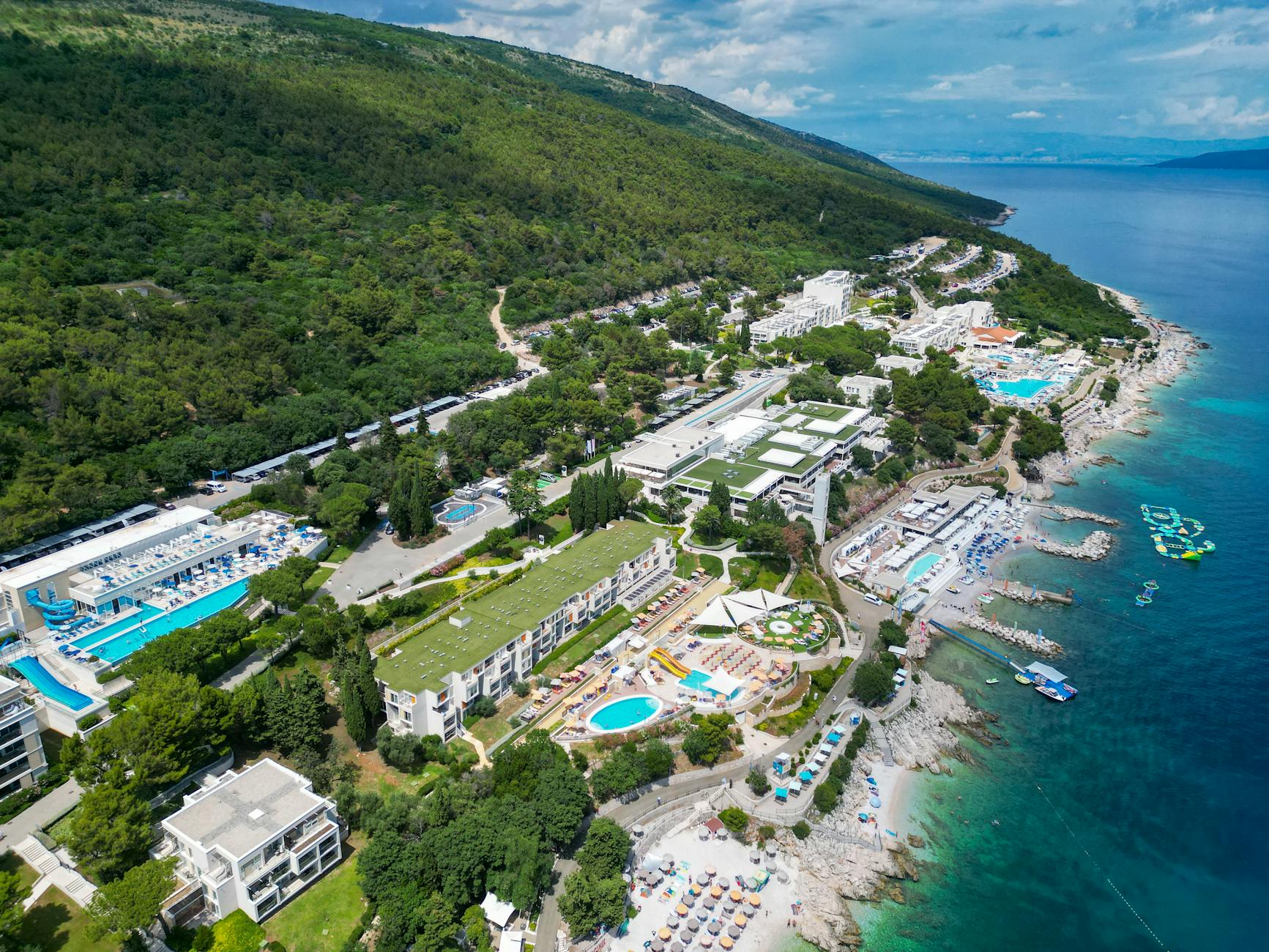
Building a social network is another crucial aspect of feeling secure abroad. Many coastal towns have thriving expat communities, where retirees can connect with others who share similar experiences and challenges. Joining local clubs, participating in community events, or even taking language classes can be great ways to meet people and create a support system.
Healthcare is an important consideration for retirees, and Croatia offers a robust public healthcare system. While public healthcare is generally of good quality, private healthcare options are also available for those who prefer it. Many retirees choose to purchase private health insurance to ensure access to a broader range of services and shorter wait times.
Smart Precautions Before You Commit
Before making the move to Croatia, retirees should take several precautions to ensure a smooth transition. First and foremost, visiting the towns you're considering before committing to a move is advisable. Spend time walking the streets, visiting local markets, and speaking with residents to get a true feel for the community.
Understanding the cost of living is crucial. While Croatia is generally affordable, costs can vary between towns. Retirees should budget for housing, utilities, healthcare, and leisure activities. In popular coastal towns, a monthly budget of $2,000–$5,000 should suffice, depending on lifestyle choices and housing preferences. Renting is often a good option for newcomers, allowing flexibility and the chance to explore different areas before settling permanently.
It's also wise to familiarize yourself with Croatia's visa and residency requirements. Americans can enter Croatia visa-free for up to 90 days, but longer stays require a temporary residency permit. Understanding the process and gathering the necessary documentation in advance can prevent headaches down the line.
Lastly, consider the potential cultural differences and how they might affect your daily life. While Croatia's pace is often slower and more relaxed, this might take some adjustment if you're used to a fast-paced lifestyle. Being open to new experiences and embracing the local culture can make the transition more enjoyable and rewarding.
In conclusion, Croatia's coastal towns offer a blend of safety, beauty, and community that can make for an idyllic retirement. By taking the time to understand the nuances of life in Croatia and preparing accordingly, retirees can find a fulfilling and secure home along the Adriatic coast.