Uruguay - Buying Property in Uruguay as a Foreigner — A Local’s Perspective
When considering retirement abroad, many Americans may overlook Uruguay in favor of more popular destinations. However, Uruguay offers a unique blend of European charm, modern amenities, and a stable political climate that can make it an attractive option for retirees looking to invest in property. Yet, potential buyers should be aware of the nuances and challenges that come with purchasing real estate in this South American gem.
Understanding the Real Estate Market
Uruguay's real estate market presents a mix of opportunities and challenges for foreign buyers. Properties in Montevideo, the capital, can range from $1,500 to $3,000 per square meter in desirable neighborhoods such as Pocitos or Punta Carretas. In contrast, coastal areas like Punta del Este offer luxury beachfront properties that can reach up to $4,000 per square meter. For retirees, this means a budget of $200,000 to $500,000 could secure a comfortable apartment or a modest house, depending on the location and amenities.

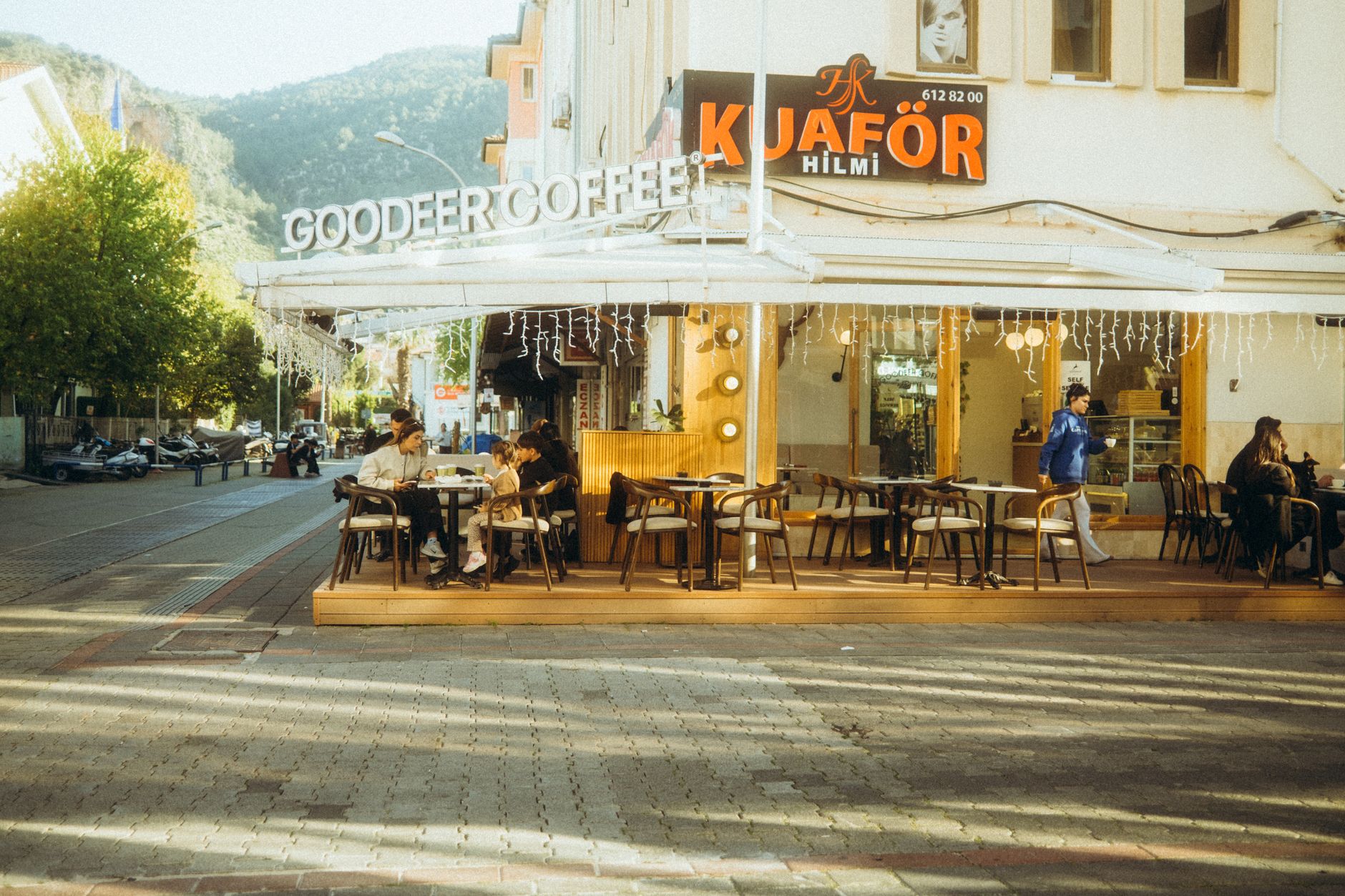
Daily life in Uruguay often revolves around leisurely activities, with many retirees enjoying the local café culture and scenic coastal walks. However, the process of buying property can be more complex than in the United States. Uruguay requires all real estate transactions to be conducted in U.S. dollars, and foreign buyers must navigate legal procedures that include obtaining a tax identification number and engaging a local notary to oversee the transaction. This can add layers of complexity and cost, potentially delaying the purchase process.
Cost of Living and Budget Considerations
Living in Uruguay can be relatively affordable, but costs can vary significantly based on lifestyle choices and location. A monthly budget of $2,000 to $5,000 is often sufficient for a retired couple, covering housing, utilities, groceries, and healthcare. Montevideo tends to be more expensive, while smaller cities or rural areas offer more budget-friendly options.

Healthcare in Uruguay is generally of good quality, with both public and private options available. Many retirees opt for private healthcare, which can cost around $100 to $200 per month for insurance, depending on the plan and coverage. However, it is important to note that while Uruguay's healthcare is well-regarded, English-speaking medical professionals may not always be available, which could pose a challenge for those not fluent in Spanish.
The slower pace of life in Uruguay can be both a benefit and a drawback. While it allows for a relaxed retirement lifestyle, it can also mean slower service and a more laid-back approach to business and bureaucracy, which some Americans may find frustrating.
Navigating the Legal Requirements
Foreigners are allowed to purchase property in Uruguay without restrictions, which is a significant advantage compared to other countries. However, it's crucial to understand the legal framework and associated costs. Legal fees, notary costs, and taxes can add up to approximately 6% of the property’s purchase price. Additionally, the property transfer tax, known as the Impuesto a las Transmisiones Patrimoniales (ITP), is 2% of the cadastral value of the property.
One lifestyle aspect that appeals to many retirees is Uruguay’s safety and stability. The country has a low crime rate compared to its neighbors, and its political environment is considered stable. However, the legal and bureaucratic processes can be time-consuming. Retirees should be prepared for potential delays and ensure they have a reliable local attorney to guide them through the process.
While Uruguay’s welcoming attitude towards foreign property buyers and its attractive lifestyle offer many benefits, the complexities of the real estate market and legal requirements may not suit everyone. Prospective retirees should weigh these factors carefully against their personal circumstances and preferences before making a decision.