Georgia - Buying Property in Georgia as a Foreigner — A Local’s Perspective
When considering retirement abroad, Georgia might not be the first destination that comes to mind. However, this small country nestled between Europe and Asia offers a surprising blend of affordability, charm, and a welcoming culture. Yet, buying property as a foreigner in Georgia involves a set of tradeoffs that retirees should carefully evaluate. Let's delve into the specifics.
Navigating the Real Estate Market
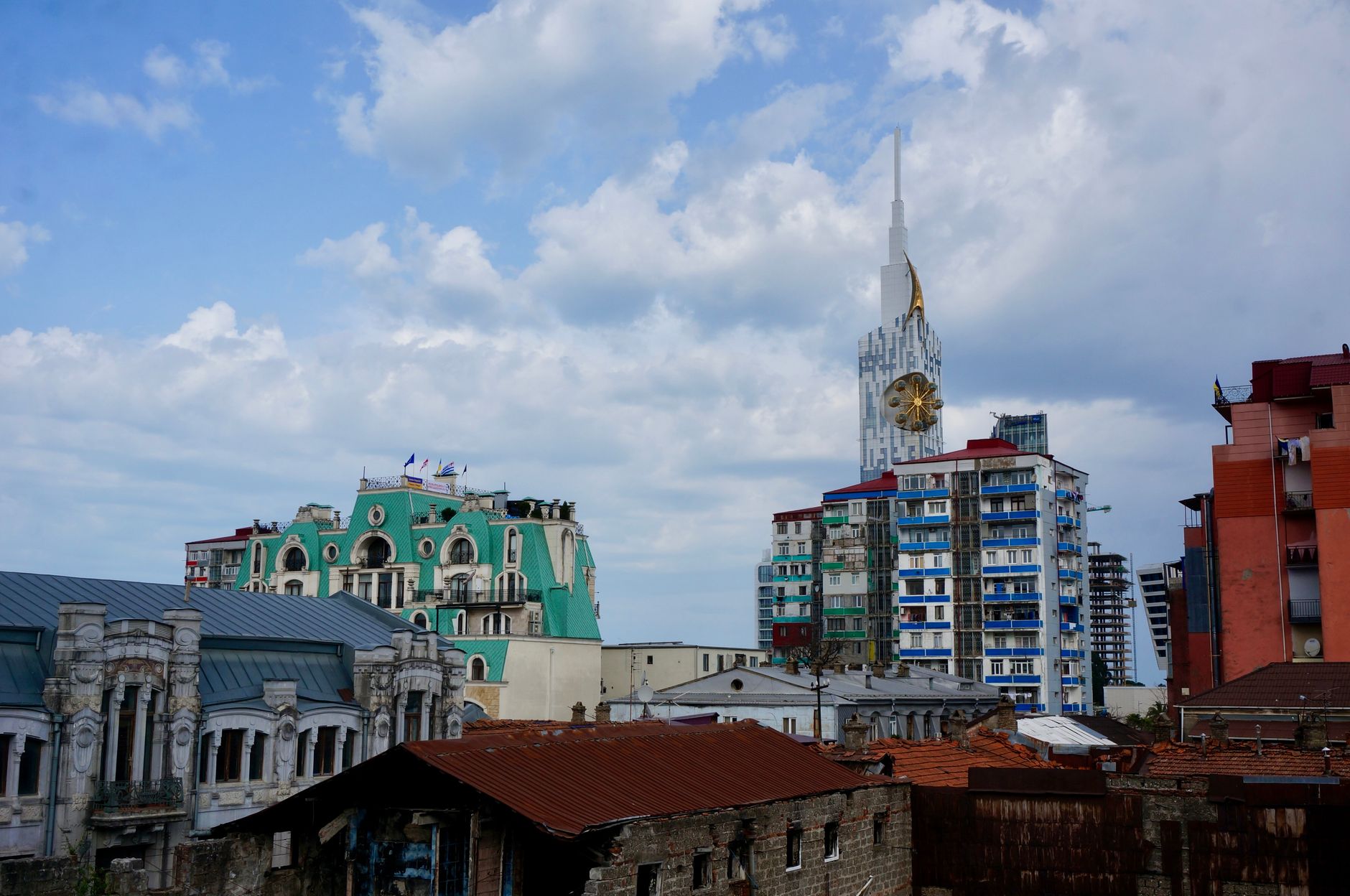
Purchasing property in Georgia is relatively straightforward for foreigners, which is a significant draw. There are no restrictions on non-Georgians buying apartments, making the process simpler compared to many other countries. The cost of property can vary significantly depending on the location. In Tbilisi, the capital, prices for a comfortable two-bedroom apartment in a central area might range from $70,000 to $150,000. In contrast, properties in smaller towns or rural areas can be found for as low as $30,000.
While these prices are attractive, retirees should be aware of potential challenges. The real estate market in Georgia is not as regulated as in the U.S., and property buyers may encounter issues such as unclear title deeds or unexpected legal hurdles. It's crucial to work with a reputable real estate agent and possibly a local lawyer to navigate these complexities. Additionally, while the cost of living in Georgia is generally low, budget-conscious retirees should factor in costs for utilities, which can vary based on location and season, typically ranging from $50 to $150 per month.
Embracing the Local Lifestyle
Life in Georgia can be both enriching and relaxed. The country's culture is deeply rooted in hospitality, and many retirees find themselves quickly integrated into local communities. Daily life often revolves around outdoor activities, with locals enjoying leisurely strolls through city parks or along scenic countryside paths. Dining out is affordable, with a meal at a mid-range restaurant costing around $10 to $15.
However, it's important to acknowledge the language barrier. While younger Georgians and those in urban centers often speak some English, in rural areas, Georgian or Russian is predominantly spoken. This can pose a challenge for retirees who do not speak these languages. Additionally, while the healthcare system in Georgia is improving, it may not meet the standards some retirees are accustomed to. Private healthcare is available and relatively affordable, but retirees should ensure they have adequate health insurance to cover any potential medical needs.
Balancing Cost and Convenience
For those considering a monthly budget of $2,000 to $5,000, Georgia offers a comfortable lifestyle. This budget typically covers housing, utilities, transportation, and even occasional travel within the region. Public transport is cheap and efficient, with a monthly pass in Tbilisi costing about $15. Taxis are also inexpensive, making it easy to explore the city and beyond.
Yet, the convenience of living in Georgia comes with its own set of tradeoffs. While the cost of living is low, the availability of certain goods and services might be limited, especially outside major urban areas. Imported goods can be expensive, and retirees may need to adjust to local brands and products. Additionally, while Georgia's infrastructure is developing, issues such as intermittent power cuts or water supply disruptions can occur, particularly in more remote areas.
In summary, retiring in Georgia offers a unique blend of affordability and cultural richness. However, it requires careful consideration of the practicalities involved in buying property, embracing a new lifestyle, and managing the tradeoffs of cost and convenience. Retirees should weigh these factors to determine if Georgia aligns with their retirement aspirations.