Türkiye - Buying Property in Türkiye as a Foreigner — A Local's Perspective
Türkiye, with its rich cultural heritage, stunning landscapes, and favorable climate, has become an attractive destination for retirees looking to spend their golden years abroad. Whether it's the bustling city life of Istanbul, the tranquil beaches of Antalya, or the historic charm of Cappadocia, Türkiye offers diverse options for those considering buying property. However, purchasing real estate in a foreign country can often be complex, requiring a thorough understanding of local regulations and market conditions. This article aims to provide a practical guide for American retirees interested in buying property in Türkiye, highlighting key aspects to consider and potential challenges to navigate.
What Foreign Buyers Need to Understand
Before diving into the Turkish real estate market, it’s essential for foreign buyers to understand the legal framework governing property purchases. Türkiye has been gradually opening its real estate market to foreigners, but certain restrictions still apply. For instance, citizens of countries that have bilateral agreements with Türkiye can purchase property, but there are limitations on how much land one can own and where. As an American, you have the advantage of being able to buy property in most parts of Türkiye, but it's crucial to verify specific regulations that might affect your purchase.
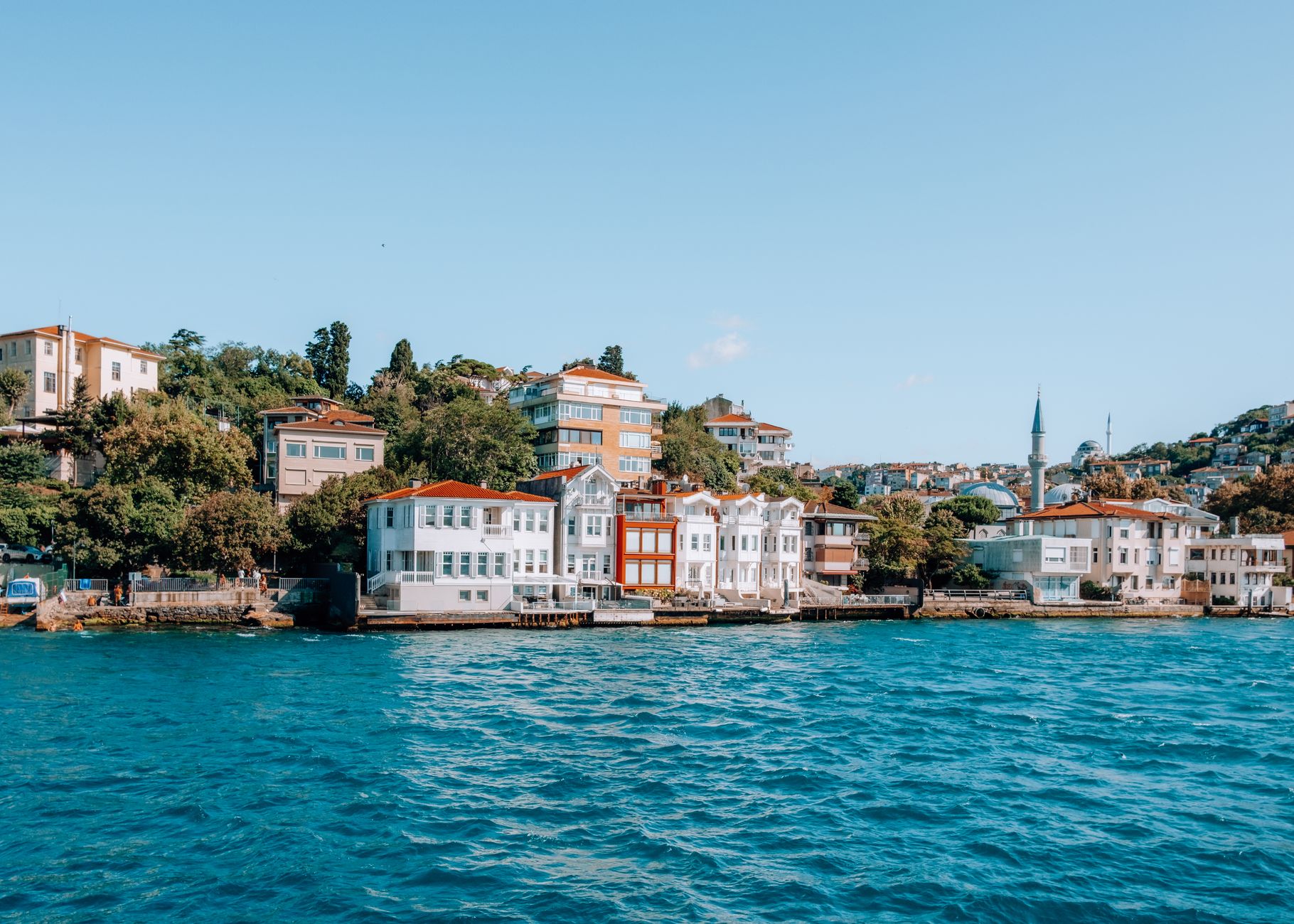
The process of buying property in Türkiye typically involves several steps, including obtaining a tax number, opening a Turkish bank account, and engaging a lawyer to help with due diligence. While Türkiye’s property market is generally straightforward, retirees should be aware of the importance of conducting a thorough title search to ensure there are no outstanding debts or legal complications attached to the property. Working with a reputable real estate agent who understands the needs of foreign buyers can also be invaluable in navigating these complexities.
Renting, Buying, and Local Market Risks
When considering buying property in Türkiye, it's worth weighing the benefits and risks of renting versus buying. Renting can provide flexibility, allowing retirees to experience different regions before committing to a purchase. Rental prices vary significantly depending on the location, with Istanbul being the most expensive, where a two-bedroom apartment in the city center may cost around $1,000 to $1,500 per month. In contrast, smaller cities or coastal towns like Izmir or Bodrum offer more affordable options, often ranging from $500 to $800 monthly.
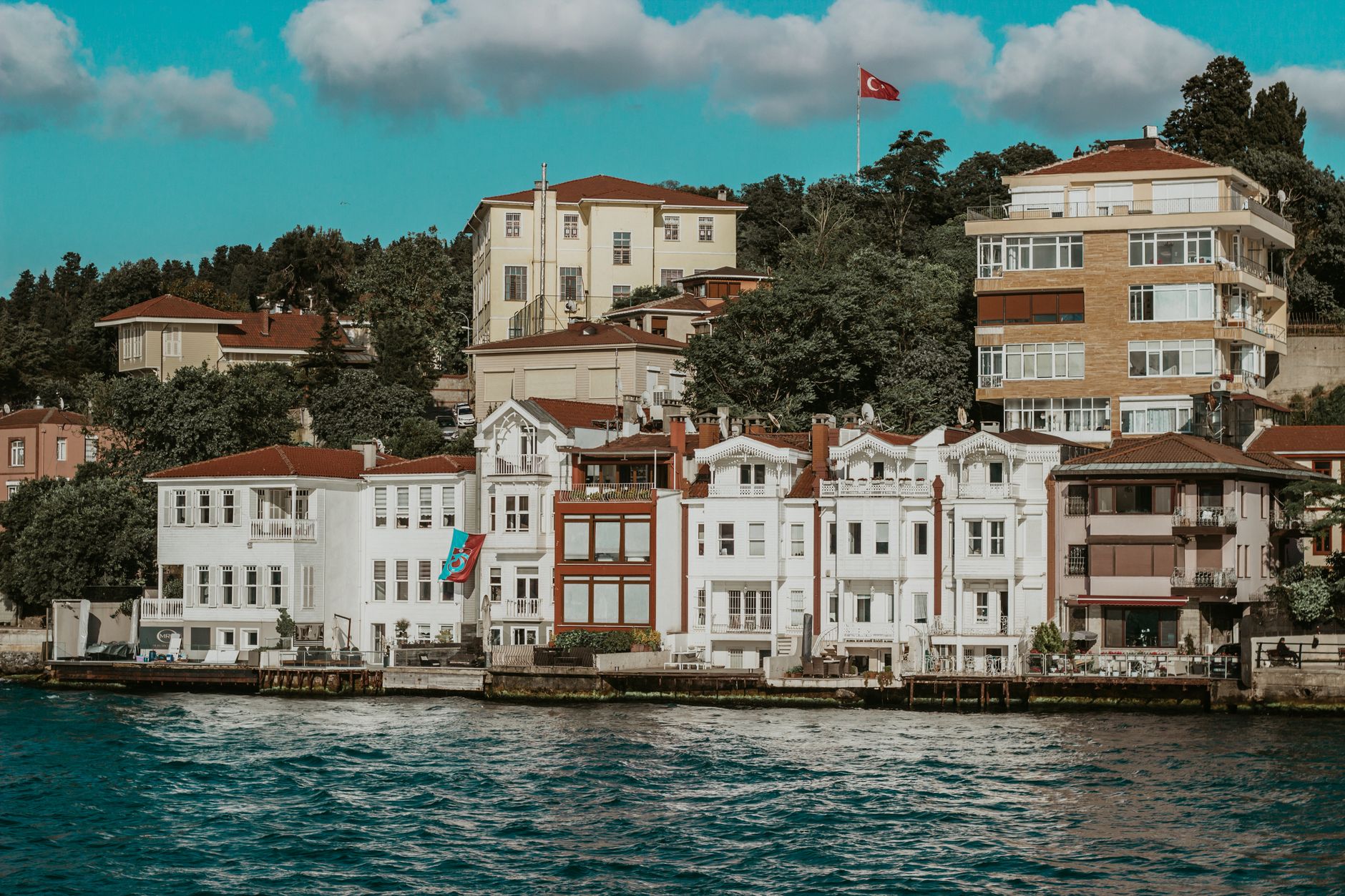
Buying property in Türkiye can be a sound investment, particularly if you plan to stay long-term. Prices can be quite reasonable compared to the U.S., with apartments in popular areas like Antalya starting at around $50,000. However, it's crucial to consider market risks, such as currency fluctuations and economic stability, which can impact property values. Additionally, the Turkish lira has experienced volatility, which can affect the overall cost of purchasing and maintaining property.
Foreign buyers should also be aware of the potential risks associated with off-plan developments. While buying off-plan can offer lower prices and modern amenities, there’s a risk of construction delays or even the project being left incomplete. Ensuring that the developer has a solid reputation and that all necessary permits are in place is vital before making any commitments.
What to Verify Before Signing Anything
Before finalizing a property purchase in Türkiye, there are several critical aspects that retirees should verify. First, ensure that the property has an official title deed, known as a "Tapu." This document is essential for the legal transfer of ownership and should be carefully reviewed for accuracy. It's advisable to have a lawyer or a trusted real estate agent review the Tapu to confirm there are no legal encumbrances.
Another important consideration is checking the zoning status and building permits. Some properties, particularly in rural or coastal areas, may have restrictions on renovations or expansions. Verifying these details beforehand can prevent future legal issues or unexpected costs.
Additionally, understanding the total costs involved in the purchase is crucial. Besides the property price, buyers should budget for additional expenses such as legal fees, notary charges, and a property transfer tax, which is typically around 3% of the property's value. Retirees should also consider ongoing costs, including maintenance fees, property taxes, and utilities, which can vary depending on the property's location and size.
Finally, it's essential to verify the local amenities and infrastructure, particularly if you plan to retire in a more remote area. Access to healthcare, transportation, and other services can significantly impact your quality of life, so it's wise to visit the area and experience daily life before making a decision.
In conclusion, buying property in Türkiye as a foreigner offers the opportunity to enjoy a vibrant culture and beautiful landscapes. However, it requires careful planning and due diligence to navigate the process successfully. By understanding the local market, legal requirements, and potential risks, American retirees can make informed decisions that align with their retirement goals. As always, consulting with professionals familiar with Turkish real estate can provide valuable insights and help ensure a smooth transition into your new home abroad.