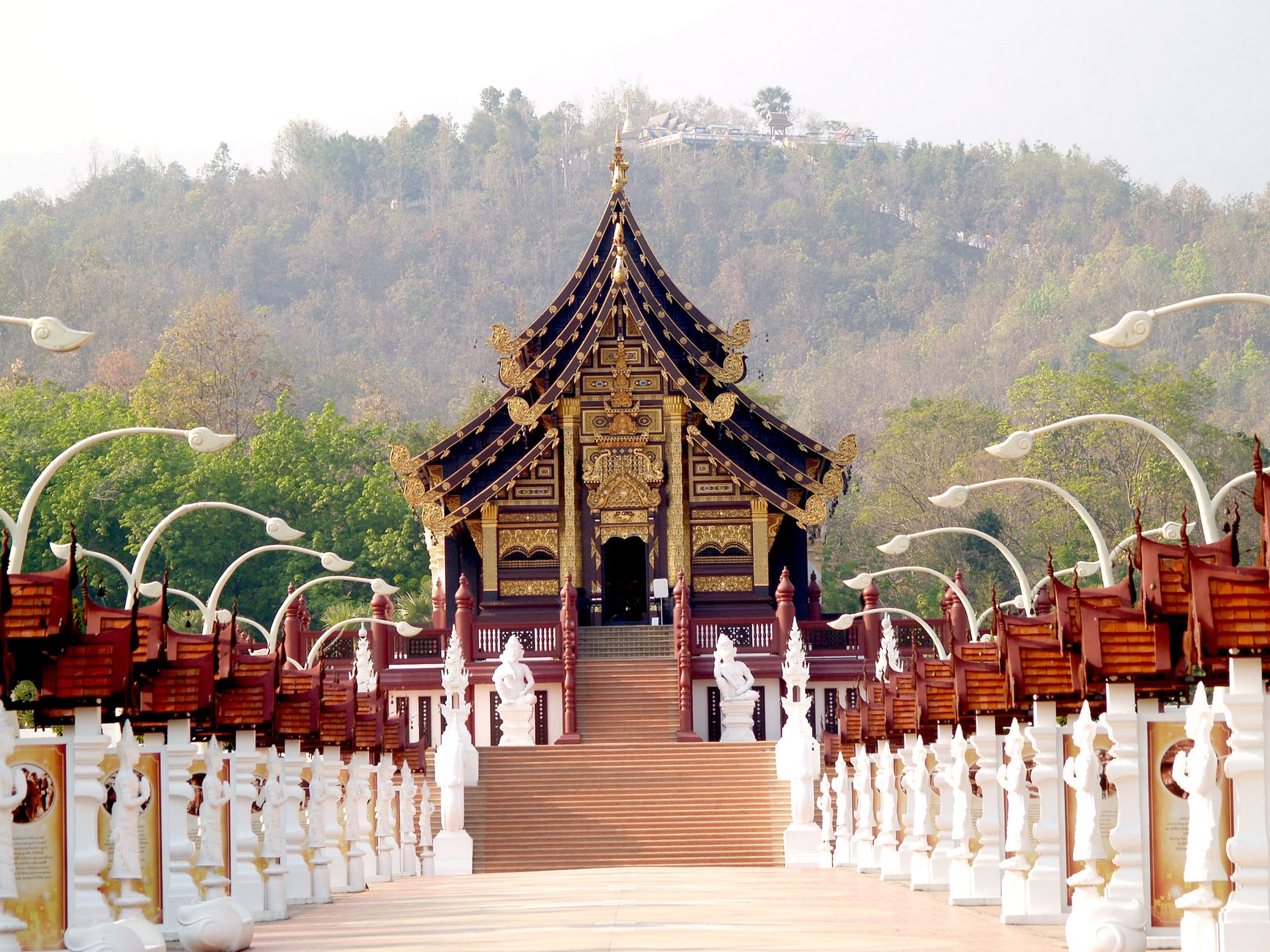
Thailand - Safest Areas for Retirees in Thailand — A Local’s Perspective
When considering retirement abroad, many might assume that Southeast Asia's bustling cities and exotic locales come with significant safety concerns. However, Thailand offers several areas where retirees can enjoy peace of mind alongside their tropical retirement dreams. These areas balance safety, affordability, and lifestyle, making them worthy of consideration for those planning their golden years overseas.
Chiang Mai: The Cultural Heart with a Tranquil Pace
Chiang Mai, in northern Thailand, is often favored by retirees for its calm atmosphere and rich cultural heritage. Known for its slower pace compared to Bangkok, it provides a welcoming environment with a strong expatriate community. Monthly living costs in Chiang Mai can range from $1,500 to $2,500, depending on lifestyle choices. This includes rent for a comfortable one-bedroom apartment in the city center, utilities, and dining out regularly at local restaurants.
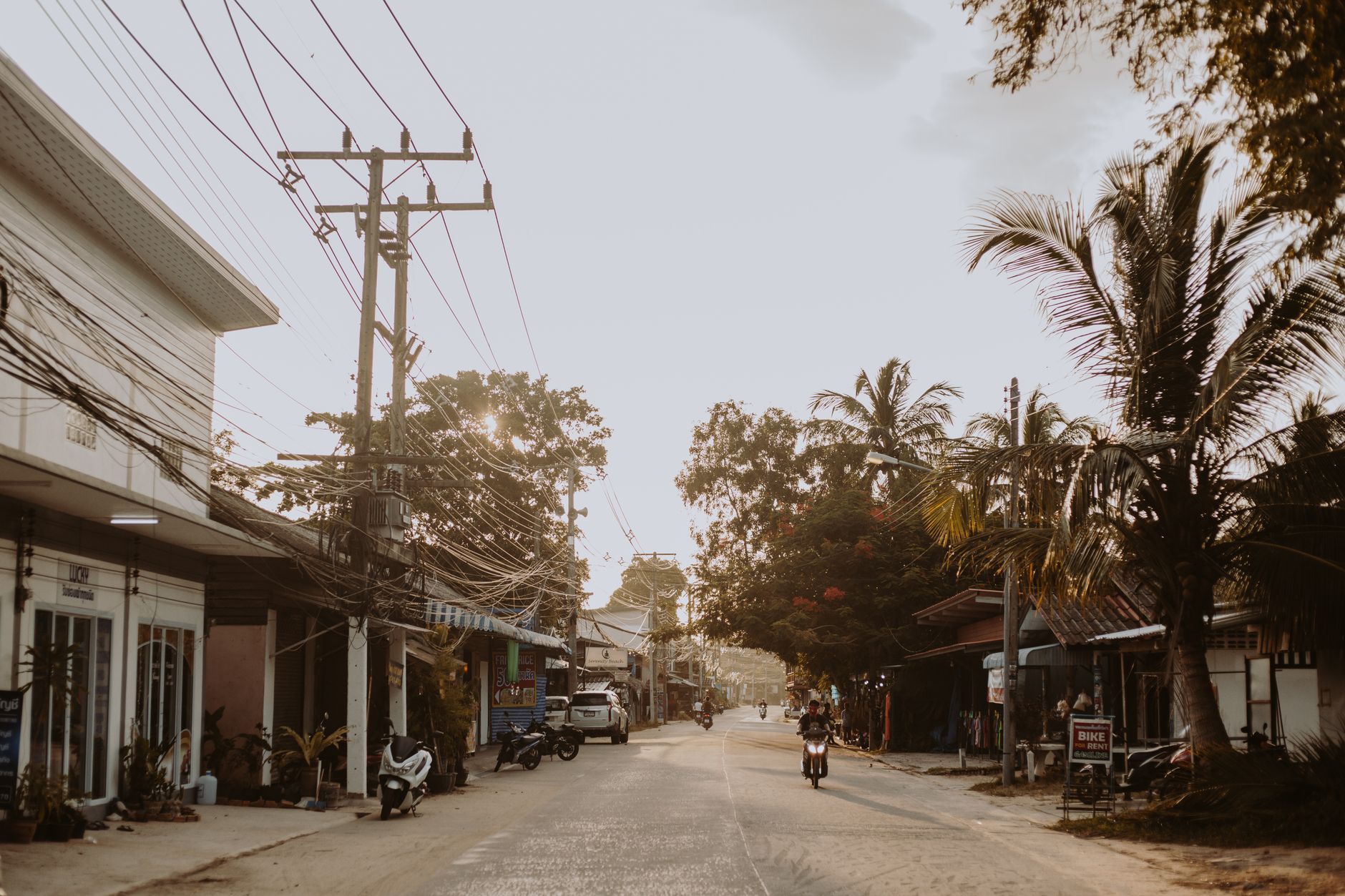
The city's walkability and vibrant markets offer a daily rhythm that many find appealing. Retirees can enjoy leisurely strolls through the Old City, exploring temples and street markets. However, those considering Chiang Mai should be aware of seasonal air quality issues, particularly from February to April, when agricultural burning affects the region. While the city offers excellent healthcare facilities, including international hospitals, these environmental factors may be a tradeoff for some.
Hua Hin: Coastal Living with a Community Feel
Hua Hin, a seaside town popular among both locals and expatriates, offers a blend of beachside relaxation and community living. Known for its royal ties and laid-back vibe, Hua Hin is an attractive option for those seeking coastal life without the hustle and bustle of tourist hotspots like Phuket. Retirees can expect to spend between $2,000 and $3,500 per month, covering accommodation, food, and entertainment.

The town's compact size makes it easy to navigate, with many amenities within walking distance. Golf courses, spas, and a range of dining options contribute to an active lifestyle. However, Hua Hin's growing popularity means it can get crowded during peak tourist seasons, which might detract from the tranquility some retirees seek. Additionally, while the town has decent healthcare facilities, more complex medical needs might require travel to Bangkok.
Chiang Rai: Affordable Serenity in the North
For those seeking an even quieter lifestyle, Chiang Rai offers an affordable and serene alternative. As a smaller city, it provides a more rural experience with the benefits of modern conveniences. Retirees can live comfortably on a budget of $1,200 to $2,000 per month, enjoying lower rental rates and cost of living compared to more tourist-heavy areas.
Daily life in Chiang Rai revolves around its natural beauty, with opportunities for hiking and exploring nearby national parks. The city's slower pace and friendly locals create a welcoming atmosphere. However, its smaller size means fewer expatriate services and English-speaking facilities, which may pose challenges for those not fluent in Thai. Additionally, while healthcare is available, it may not be as comprehensive as in larger cities, potentially necessitating travel for specialized treatments.