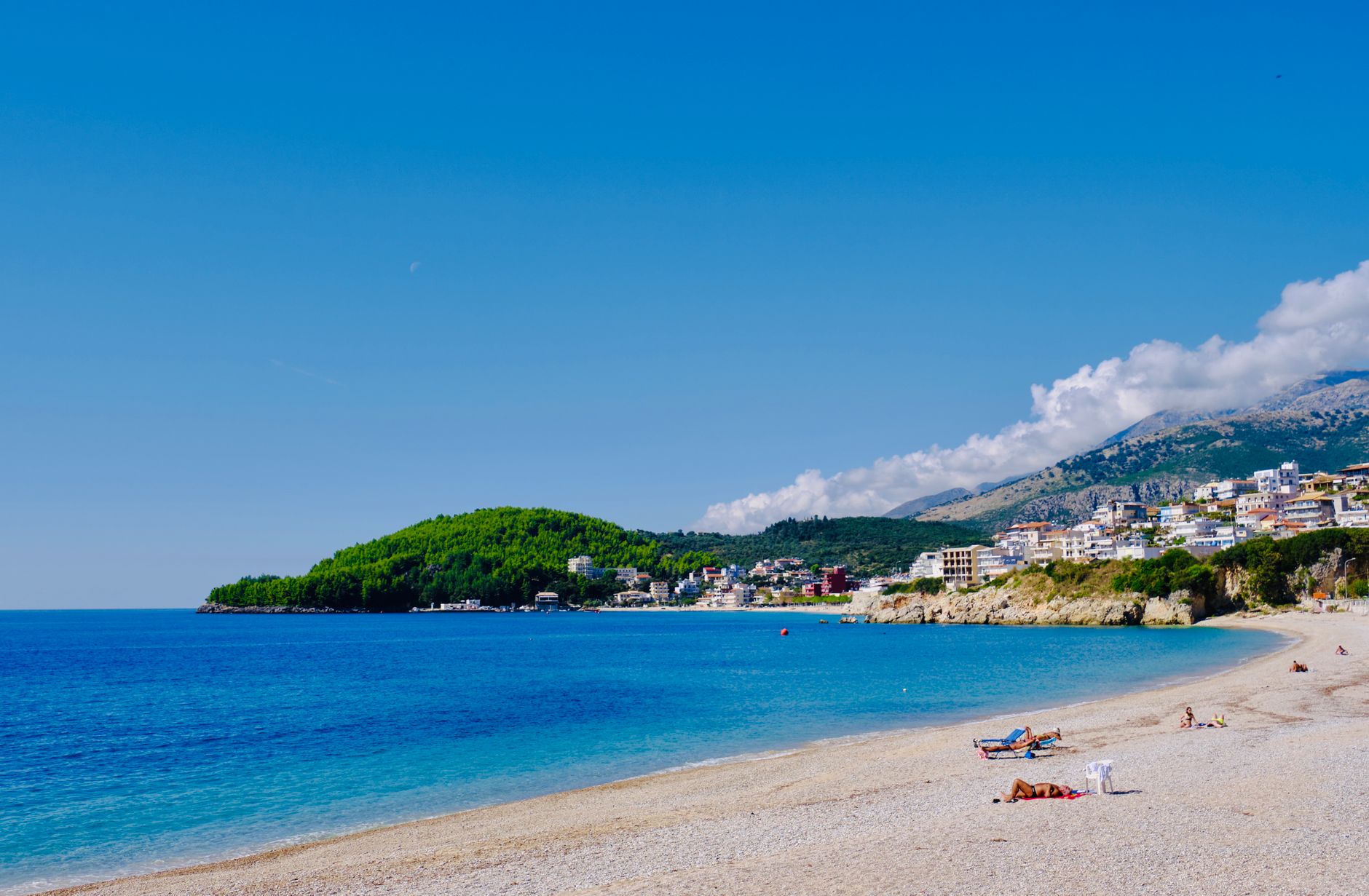
Spain - Safest Coastal Towns in Spain for Retirement — A Local's Perspective
Spain's coastal towns offer a warm climate, a welcoming environment, and a variety of cultural experiences for retirees. However, safety remains a top priority for those considering a move abroad. With a crime rate of 44.7 per 1,000 residents, Spain ranks as one of the safer countries in Europe. This article will help you decide which coastal town in Spain might be the best fit for your retirement plans by examining safety, lifestyle, and practical considerations.
Quick Take
- Best for: American retirees who want a safe and relaxed coastal lifestyle.
- Monthly reality: Expect to spend around €1,500 to €2,500 for a comfortable life, depending on location.
- Biggest advantage: Excellent healthcare and a strong sense of community.
- Biggest warning: Language barriers can be a challenge in smaller towns.
- Before moving: Verify visa, healthcare, tax, housing, and insurance rules with official sources or a qualified professional.
Altea: A Safe and Picturesque Haven
Altea, located in the province of Alicante, is known for its white-washed buildings and impressive views of the Mediterranean Sea. With a population of around 22,000, Altea offers a small-town feel with a crime rate significantly lower than the national average. The town's safety is attributed to its tight-knit community and active local police presence.

The Old Town, with its cobbled streets and artisan shops, is a popular area among retirees. The cost of living here is moderate, with monthly expenses averaging around €1,800. Housing options range from apartments in the town center to villas on the outskirts. However, finding a long-term rental can be challenging during the tourist season, so planning ahead is crucial.
While Altea is generally safe, petty theft can occur, particularly during the busy summer months. Retirees should be mindful of their belongings, especially in crowded areas. Additionally, while English is spoken in tourist areas, learning some Spanish will greatly enhance your experience and integration into the community.
Nerja: A Tranquil Retreat with a Community Feel
Nerja, situated on the Costa del Sol, is a town known for its beautiful beaches and the famous Balcón de Europa. With a population of about 21,000, Nerja's crime rate is low, making it a safe choice for retirees. The local government invests in community safety initiatives, contributing to the town's secure environment.

Healthcare access is excellent, with the Centro de Salud Nerja providing comprehensive services. Private insurance is recommended to cover any additional needs. The cost of living is slightly lower than in larger cities, with monthly expenses around €1,700. Popular neighborhoods include Burriana Beach and the historic center, where housing varies from modern apartments to traditional Andalusian homes.
Transportation in Nerja is primarily car-based, as public transport options are limited. Walking is feasible in the town center, but a vehicle is advisable for exploring the surrounding areas. Retirees should be aware of the seasonal influx of tourists, which can impact the availability of services and increase noise levels.
Jávea: Tradition Meets Modernity
Jávea, also known as Xàbia, is located on the Costa Blanca and is renowned for its sandy beaches and historic appeal. The town has a population of around 27,000 and boasts a low crime rate, with community policing efforts contributing to its safety. The Arenal Beach area is particularly popular among retirees for its amenities and active atmosphere.
Healthcare facilities in Jávea include the Hospital de Denia, which offers a wide range of services. Private healthcare is also available, and many retirees opt for insurance to ensure comprehensive coverage. The cost of living in Jávea is moderate, with monthly expenses typically between €1,900 and €2,200. Housing options range from beachfront apartments to countryside villas.
One consideration for retirees is the language barrier, as English is not as widely spoken outside the tourist areas. Additionally, the town's popularity among tourists can lead to crowded beaches and limited parking during peak seasons. Despite these challenges, Jávea offers a welcoming community and a high quality of life.
Practical Comparison Table
| Decision Area | Practical Detail | Retirement Note | |---|---|---| | Monthly Cost | €1,500 to €2,500 | Budget for housing and healthcare | | Healthcare | Access to public and private options | Verify insurance needs | | Housing | Apartments and villas available | Plan for tourist season demand | | Transportation | Limited public transport | Consider car ownership | | Safety | Low crime rates | Be cautious of petty theft |
Healthcare, Visa, Tax, and Safety Notes
Retirees should verify healthcare access, as Spain offers both public and private options. While public healthcare is available, private insurance is advisable for expedited services and English-speaking staff. Visa requirements for retirees typically involve the non-lucrative visa, which requires proof of sufficient income and private health insurance. Consult with a qualified professional to ensure compliance with both U.S. and Spanish tax obligations. Safety in these towns is generally high, but staying informed about local advisories and maintaining basic precautions is recommended.
Common Mistakes Retirees Should Avoid
- Underestimating the language barrier; learning basic Spanish is beneficial.
- Not securing housing in advance, especially during peak tourist seasons.
- Failing to obtain private health insurance, which can limit access to certain services.
- Overlooking the need for a car in areas with limited public transport.
- Ignoring local tax obligations, which can lead to financial penalties.
- Assuming all areas are equally safe; research specific neighborhoods.
- Neglecting to integrate into the local community, which can impact social life.
Before You Move Checklist
- Research visa or residency rules specific to retirees.
- Confirm healthcare access and private insurance requirements.
- Understand tax obligations in both the U.S. and Spain.
- Verify rent and lease terms, especially for long-term stays.
- Assess walkability and transportation needs in your chosen area.
- Evaluate safety and crime rates in specific neighborhoods.
- Consider language barriers and plan for Spanish language learning.
- Ensure emergency access to healthcare and other services.
- Investigate community integration opportunities.
- Prepare for seasonal changes in population and service availability.
Frequently Asked Questions
What is the non-lucrative visa?
The non-lucrative visa is a popular option for retirees moving to Spain. It requires proof of sufficient income to support yourself without working in Spain, as well as private health insurance. This visa allows you to reside in Spain for one year, with the option to renew.
Is healthcare expensive in Spain?
While public healthcare is generally affordable, many retirees opt for private insurance to ensure quicker access and services in English. Costs can vary, so it's advisable to compare plans and confirm coverage before moving.
How safe are Spain's coastal towns?
Spain's coastal towns are generally safe, with lower crime rates compared to larger cities. Petty theft can occur, particularly in tourist areas, so remain vigilant and secure your belongings.
Related Golden Horizons Guides
- Best Countries to Retire Abroad on a Budget
- Healthcare Abroad for American Retirees
- Retiring Abroad Checklist for Americans
- Safest Countries to Retire Abroad
About Golden Horizons
Golden Horizons helps Americans age 60+ compare retirement-abroad destinations using practical information about cost of living, healthcare, housing, visas, taxes, safety, walkability, and lifestyle. Our goal is to help readers avoid expensive mistakes before choosing where to live overseas.
Final Verdict
For retirees seeking a secure and community-focused coastal retirement, Spain's towns such as Altea, Nerja, and Jávea offer appealing options. Potential retirees should carefully examine healthcare, visa, and housing logistics while considering language and local integration. Always confirm details with official sources and consider a visit to experience the area firsthand.