Buying Property on the Spanish Coast
Compared to life in the U.S., buying property on the Spanish coast offers a unique blend of affordability and lifestyle change. With housing costs often ranging from $150,000 to $300,000 (verify before deciding), depending on location and property type, many retirees find this option attractive. However, the process requires patience and understanding of the local market. While the prospect of enjoying a Mediterranean lifestyle is appealing, it's important to weigh this against considerations like language barriers and the pace of bureaucratic processes.
What Daily Life Actually Looks Like
Picture starting your day with a leisurely breakfast on your terrace, the sun rising over the Mediterranean. Many retirees enjoy a routine that includes a morning walk to the local market, where fresh produce is abundant and affordable. With the cost of living generally lower than in the U.S.—groceries might set you back around $300 a month (verify before deciding)—you'll find that shopping is not just a chore but a social experience. The pace is slower, with shopkeepers who take the time to chat and neighbors who greet you warmly.
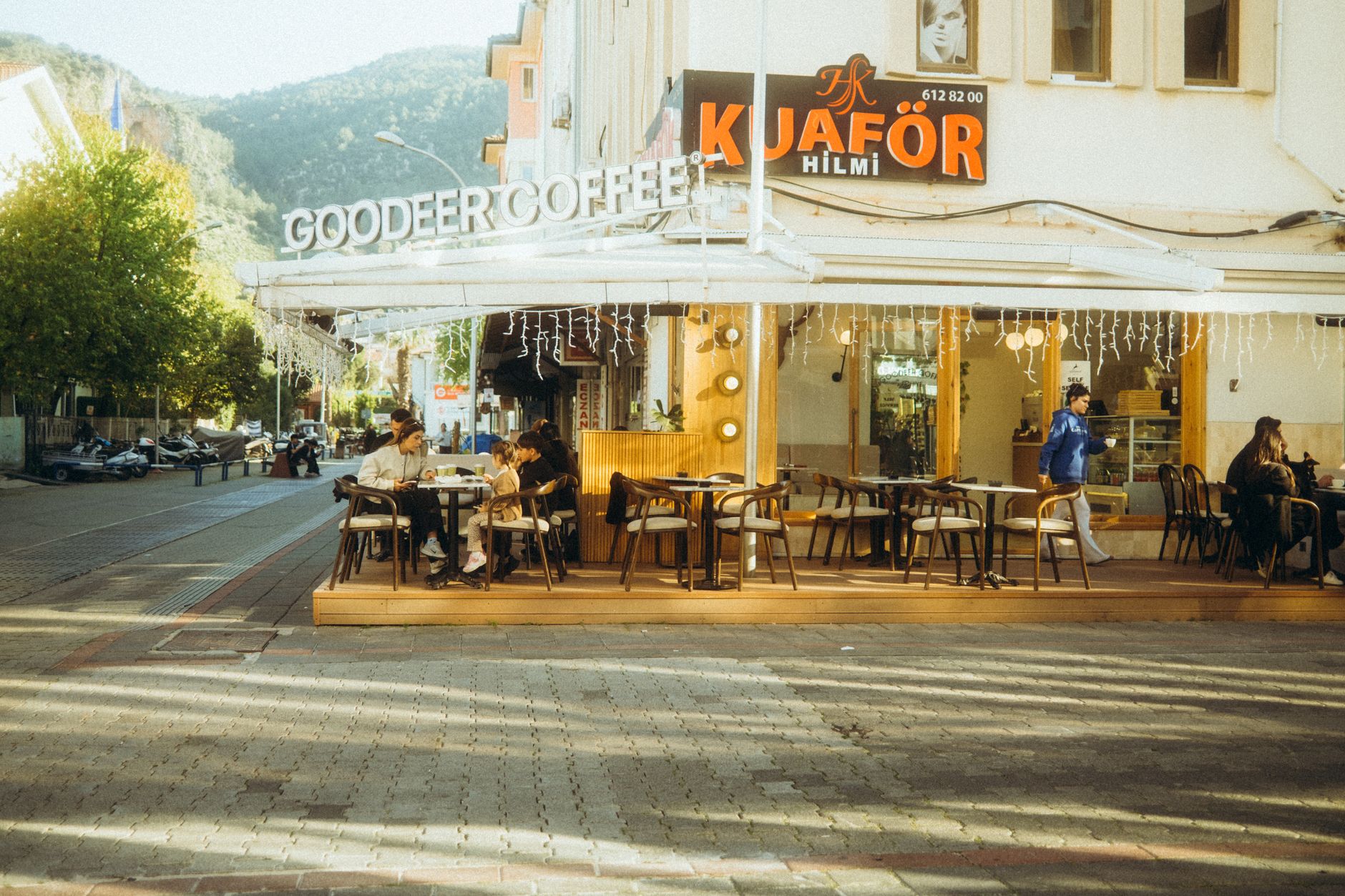
As the day progresses, you might find yourself heading to a nearby café for a late-morning coffee. Many local residents and expats alike gather here, providing an opportunity to immerse yourself in the community. Conversations flow easily, often blending English and Spanish. While learning the language can be challenging, it's also rewarding and opens doors to deeper connections with locals. Lunch, typically the main meal of the day, is a relaxed affair, often shared with friends at a local restaurant, where a three-course meal might cost you around $15 (verify before deciding).
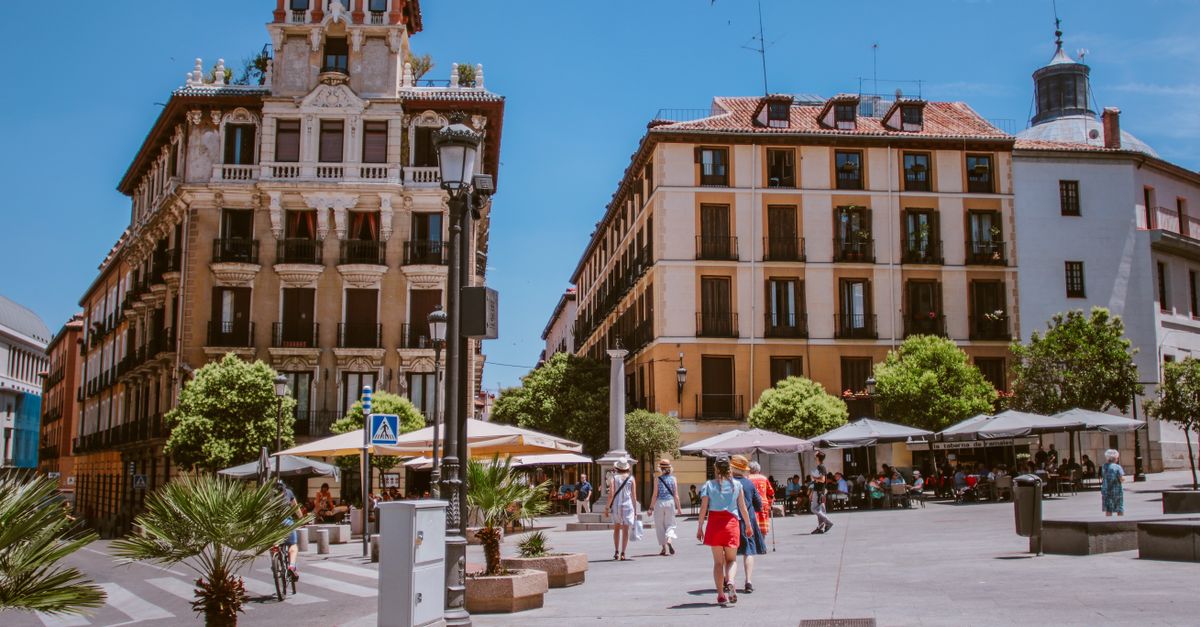
Afternoons tend to slow down, with siesta time offering a chance to rest or take care of personal projects. The evening might find you strolling the beach or meeting friends for tapas. Social life here is vibrant yet unhurried, with a focus on enjoying the moment. The sense of community is strong, and for many, this is the real highlight of living on the Spanish coast.
What Most Americans Get Wrong About This Place
One common misconception is that the language barrier is insurmountable. While it's true that not everyone speaks English, many locals are eager to help you learn Spanish. Classes are often available at community centers, and practicing daily interactions can be both fun and educational. Another concern is the healthcare system. Contrary to some beliefs, Spain offers excellent healthcare services, often ranking high in global standards. For residents, access to public healthcare can be surprisingly affordable, though private insurance is also an option and typically costs between $100–$200 monthly (verify before deciding).

Safety is another area where perceptions might not match reality. Many Americans worry about crime rates, but in truth, Spain is generally a safe country with low violent crime rates. Of course, like anywhere, certain neighborhoods are safer than others, and it's wise to research areas thoroughly before purchasing property. Expat communities often share insights and experiences, making it easier to find the right fit for your lifestyle.
Finally, there's the notion that bureaucracy in Spain is overwhelmingly difficult to navigate. While it's true that processes can be slow, especially when it comes to property purchases and residency applications, patience and persistence usually see things through. Engaging local professionals, such as lawyers or real estate agents, can simplify these matters significantly.
Is This Place Right for You?
Reflecting on whether the Spanish coast is the right choice involves considering your personal preferences and lifestyle. For those who thrive in a relaxed, community-focused environment, this setting can be incredibly rewarding. The warmth of the local culture, combined with the slower pace of life, suits individuals who appreciate social connections and are open to new experiences.

However, if you're someone who prefers a more structured and faster-paced lifestyle, the adjustment might be more challenging. The leisurely approach to time and the importance placed on personal interactions can take some getting used to. Those who struggle with language learning may also find the transition more difficult, although this can improve over time with effort and immersion.
Ultimately, the decision comes down to what you value most in your retirement years. If you're seeking a balance between affordability, cultural richness, and a welcoming community, the Spanish coast has much to offer. Do you see yourself enjoying the rhythm of life here, or do the challenges outweigh the benefits for you?