Quick Taste
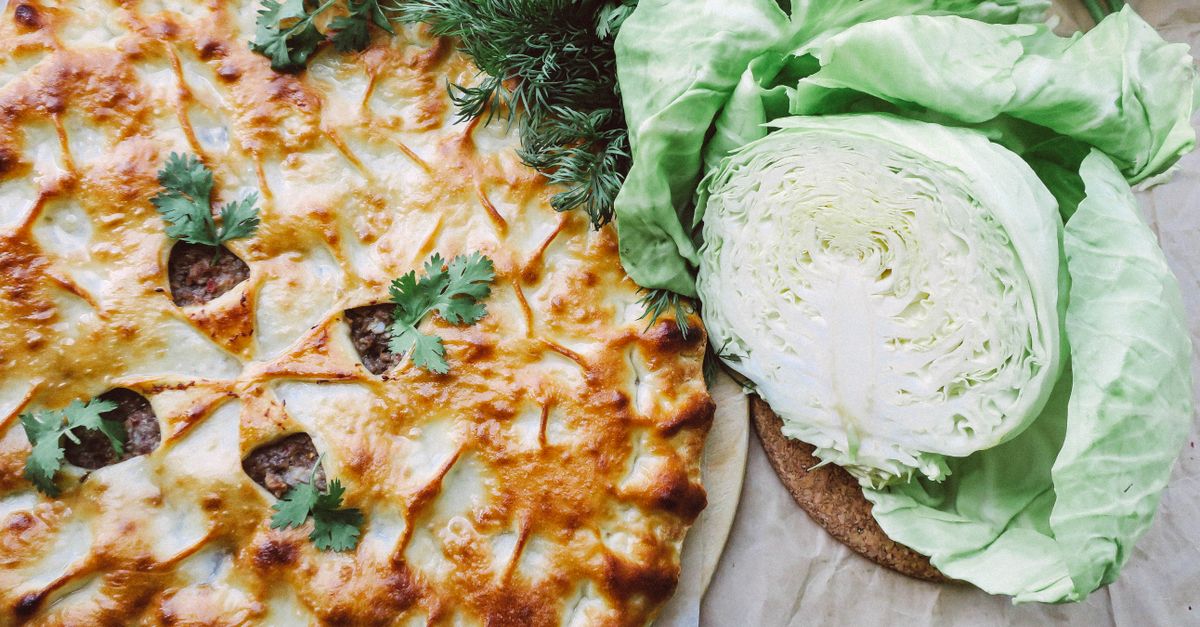
Bobotie in South Africa is a savory baked dish with a spiced meat filling and a creamy, egg-based topping. Cape Town is better for traditional flavor and newer versions, while Johannesburg offers larger portions and convenience. For first-time visitors, Cape Town provides a more traditional experience, whereas Johannesburg is ideal for those seeking value and dietary options. The dish combines minced meat with a blend of spices, including curry powder, turmeric, and allspice, creating a sweet and savory profile. The creamy custard topping, made from eggs and milk, adds a smooth texture that contrasts with the spiced meat beneath. In Cape Town, the bobotie often sticks closely to traditional recipes, incorporating dried fruits like apricots or raisins for added sweetness. Johannesburg, however, offers a more contemporary take, with larger servings and a focus on convenience, making it a great choice for those who prefer a hearty meal.

For visitors, understanding the nuances of bobotie is essential to fully appreciate its place in South African cuisine. Typically served with yellow rice, the dish is a staple in many homes and restaurants. The rice, often cooked with turmeric, complements the flavors of the bobotie perfectly. Variations may include the use of different meats, such as lamb or chicken, though beef is the most common. In Cape Town, you might encounter a more delicate balance of spices, with a focus on maintaining the dish's historical roots. Johannesburg's bobotie, while similar in ingredients, often embraces a bolder spice profile and larger portions, catering to the city's fast-paced lifestyle. For first-time visitors, Cape Town's version is recommended for its traditionality, while Johannesburg offers a more accessible introduction to the dish.
The Story Behind the Dish
Bobotie is a quintessential South African dish with roots tracing back to the 17th century, believed to have been brought by Dutch settlers and influenced by Indonesian slaves. This flavorful casserole combines minced meat, typically beef or lamb, with spices like curry, turmeric, and allspice. Dried fruits such as raisins or apricots add a touch of sweetness, while the custard-like topping of egg and milk creates a contrasting creamy texture. Bobotie is more than just a meal; it's a cultural symbol representing the fusion of diverse food traditions in South Africa.
The dish's unique blend of spices and flavors is a testament to this heritage, combining elements from Dutch, Indonesian, and Indian cuisines. The name "bobotie" is thought to derive from the Indonesian word "bobotok," which refers to a similar dish made with meat and coconut milk. Over the centuries, bobotie has evolved to become a quintessential part of South African cuisine, enjoyed by people of all backgrounds. It was first documented in a Dutch cookbook in the 17th century, and since then, it has been adapted and embraced by various communities across the country. The dish's enduring popularity is a reflection of its ability to adapt to local tastes while retaining its core characteristics.
How Locals Eat It
Locals typically enjoy bobotie as a hearty main course during lunch or dinner. It is often served with yellow rice, which is lightly spiced and sometimes includes raisins. Sambals, a type of condiment made with chopped tomatoes, onions, and cucumbers, are common accompaniments, adding freshness and crunch. While bobotie is a staple in family homes, it can also be found in casual restaurants and cafés. It's a dish that brings people together, often shared during family gatherings or festive occasions.

In Cape Town, the dish is often prepared at home using family recipes passed down through generations. This home-cooked approach emphasizes the dish's historical roots and the importance of preserving food traditions. In Johannesburg, bobotie is frequently found in restaurants and eateries that cater to a diverse clientele. Here, the dish may be served in larger portions, reflecting the city's fast-paced lifestyle and the need for hearty, satisfying meals. Both cities, however, share a common appreciation for the dish's flavors and its role as a symbol of South African cuisine.
Where to Find It
Visitors can find bobotie in both Cape Town and Johannesburg in a variety of settings. In Cape Town, head to the popular neighborhoods of Bo-Kaap or Woodstock, where local eateries serve traditional versions. Markets like the Neighbourgoods Market in Cape Town also offer bobotie among their diverse food stalls. The Bo-Kaap, known for its cultural history and colorful houses, is a particularly good place to experience traditional Cape Malay bobotie. Restaurants here often emphasize the traditional preparation methods and flavors that have been cherished for generations.

Johannesburg offers a different experience, with bobotie available in a wide range of venues, from casual eateries to high-end restaurants. The city's food scene is known for its diversity and innovation, and bobotie is no exception. In areas like Maboneng and Melville, you can find newer versions of the dish that incorporate contemporary ingredients and presentation styles. These areas are also home to some of the city's most popular dining spots, making them ideal for visitors looking to explore Johannesburg's food culture.
City vs. Countryside Flavor
Cape Town's bobotie is renowned for its adherence to traditional recipes, often incorporating local spices and a balance of sweet and savory flavors. The city's food scene also embraces newer takes, with some chefs experimenting with vegetarian versions or adding unexpected ingredients like nuts or exotic fruits. The use of fresh, locally sourced ingredients is common, and the emphasis is often on maintaining the traditional balance of spices and sweetness. This approach results in a more nuanced flavor profile that highlights the dish's historical roots and the Cape Malay influence.
In contrast, Johannesburg's bobotie reflects the city's dynamic and diverse character. The dish is often prepared with a bolder spice profile, catering to the city's cosmopolitan population and their varied tastes. Portions tend to be larger, and the presentation may include modern elements that appeal to a contemporary audience. The city also caters to dietary restrictions, with options for gluten-free or low-spice versions. For convenience, Johannesburg's central location makes it easier for travelers to find bobotie in various eateries. In rural areas, bobotie is typically more rustic, with a focus on hearty, comforting flavors that are well-suited to the countryside's slower pace of life. Ingredients may be sourced from local farms, and the preparation methods are often simpler, allowing the natural flavors to shine through.
Cost, Portions, and Ordering Tips
In Cape Town, expect to pay around 80 to 150 ZAR for a serving of bobotie at a casual restaurant, with portions typically sufficient for one person. Johannesburg's prices are similar, but portions may be larger, providing better value for money. Credit cards are widely accepted in both cities, though carrying some cash is advisable for smaller establishments or market stalls. When ordering, ask about the spice level and any available accompaniments to enhance your meal.
In Johannesburg, the cost of bobotie can range from ZAR 80 to ZAR 200, depending on the venue and portion size. Restaurants in the city often offer larger servings, making it a good option for those with a hearty appetite. When ordering, consider asking about the spice level, as some establishments may offer a spicier version of the dish. Additionally, it's worth inquiring about any unique twists or newer versions that might be available, as Johannesburg's food scene is known for its innovation.
What to Know Before You Try It
Bobotie is generally mild in spice, making it accessible to most palates. However, it contains common allergens such as dairy and eggs in the topping, and meat in the filling. Vegetarians should inquire about meat-free versions, which are becoming more popular. Ensure the dish is freshly prepared, especially when purchasing from markets or street vendors. Hygiene standards are typically high in established eateries, but it's always wise to check the cleanliness of the establishment.
Before trying bobotie, it's important to understand the dish's key components and flavor profile. The combination of spiced meat and creamy custard may be unfamiliar to some, but it's a hallmark of South African cuisine. The spices used in bobotie can vary, so it's worth asking about the specific blend if you have any dietary restrictions or preferences. For those with allergies or dietary concerns, it's important to note that bobotie often contains eggs, dairy, and sometimes nuts. If you're dining out, don't hesitate to ask the server about the ingredients and preparation methods to ensure the dish meets your needs. Additionally, while bobotie is traditionally made with beef, some variations may use lamb, chicken, or even vegetarian substitutes. If you have a preference, be sure to specify when ordering.
Common Mistakes Visitors Make
A common mistake visitors make is expecting bobotie to be overly spicy, leading to disappointment. It's important to understand that the dish's appeal lies in its balance of flavors rather than heat. Another mistake is overlooking the importance of accompaniments like sambals and yellow rice, which enhance the overall experience. Lastly, some visitors may miss out on trying newer versions by sticking only to traditional versions.
One common mistake visitors make when trying bobotie is not fully appreciating the dish's complexity and cultural significance. It's important to approach bobotie with an open mind and a willingness to explore new flavors. Some visitors may be put off by the combination of sweet and savory elements, but this balance is a key aspect of the dish's appeal. Another mistake is overlooking the accompaniments that often enhance the bobotie experience. Yellow rice, chutneys, and sambals are traditional pairings that complement the dish's flavors and add depth to the meal. Be sure to try these sides to get the full experience. Lastly, visitors may miss out on the opportunity to try different variations of bobotie, such as those found in Cape Town's Bo-Kaap or Johannesburg's modern eateries. Exploring these regional differences can provide a deeper understanding of the dish and its place in South African cuisine.
Frequently Asked Questions
Is bobotie better in Cape Town or Johannesburg?
Cape Town is better for traditional flavor and newer versions, while Johannesburg offers larger portions and convenience.
What does bobotie taste like?
Bobotie has a savory and slightly sweet taste, with a spiced meat filling and a creamy, egg-based topping.
How much does bobotie usually cost?
Bobotie typically costs between 80 and 150 ZAR, depending on the location and portion size.
What should I order with bobotie?
Order yellow rice and sambals to complement the flavors of bobotie.
Related Golden Horizons Guides
- Best Countries to Retire Abroad on a Budget
- Healthcare Abroad for American Retirees
- Retiring Abroad Checklist for Americans
- Visa Rules for Americans Retiring Abroad
About Golden Horizons
Golden Horizons is the retirement abroad magazine for Americans who aren’t done yet.
Final Bite
Bobotie offers a glimpse into South Africa's diverse food heritage, appealing to those who appreciate a blend of flavors and cultural history. Whether you're a first-time visitor or a seasoned traveler, trying bobotie in Cape Town or Johannesburg is a delicious way to connect with local traditions. Before you dig in, remember to ask about accompaniments and spice levels to fully enjoy this well-known dish.