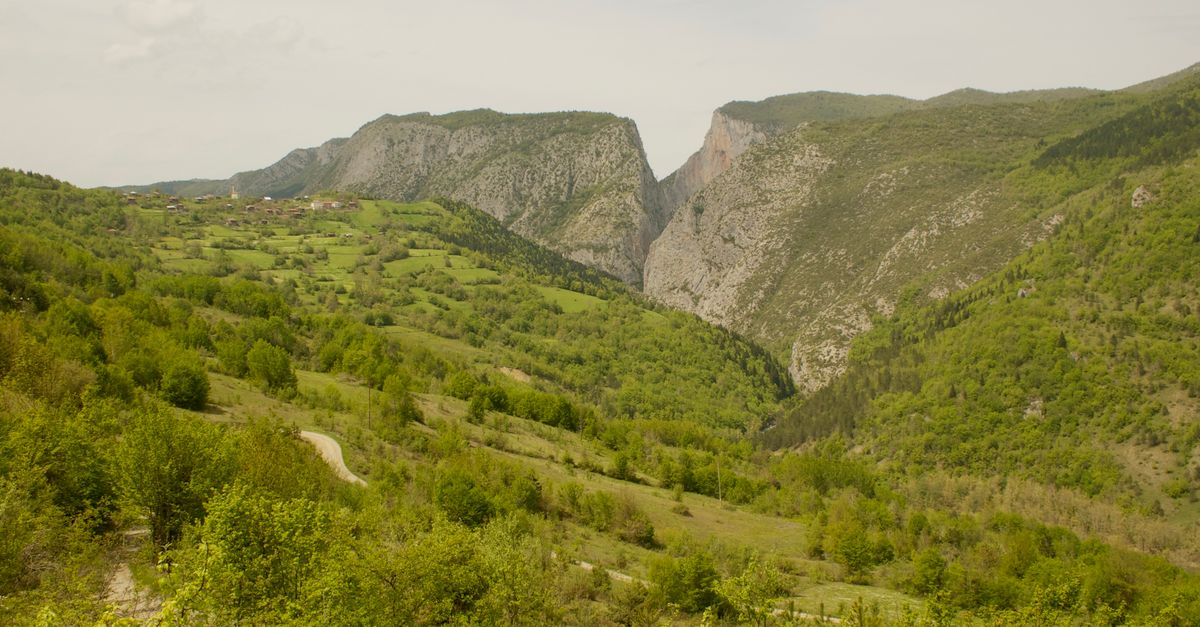
Hidden Transylvanian Villages for Quiet Retirement in Romania
As you quietly consider a change in your retirement lifestyle, you might find yourself drawn to the tranquil appeal of Transylvania's hidden villages in Romania. These villages offer a peaceful pace of life, far removed from the hustle and bustle of American cities. However, this shift means more than just a change of scenery—it involves embracing a new way of living that is deeply influenced by the local culture and traditions.
What Daily Life Actually Looks Like
A typical Tuesday in a Transylvanian village starts gently. As the sun rises, you might begin your day with a leisurely walk around the village. The cobblestone streets are often quiet, save for the occasional friendly greeting from a neighbor tending their garden or heading to the local bakery. Breakfast could be a simple affair, perhaps featuring fresh local bread and cheeses you picked up during a weekly market trip.
The middle of the day is an opportunity to engage with the community. Many villages host regular events or activities, such as crafting workshops or local festivals celebrating traditional Romanian culture. You may find yourself sharing a cup of strong Romanian coffee with fellow expats or locals, exchanging stories, and practicing your Romanian language skills. Language can be a barrier, but with patience and a willingness to learn, these interactions become rewarding experiences.
As the day winds down, the pace remains unhurried. Dinner is often a social occasion, with hearty Romanian dishes like sarmale or mămăligă shared among friends. The cost of living allows for these simple pleasures without straining your budget, with many retirees living comfortably within the $1,500–$3,000 per month range (verify before deciding). Evenings might end with a stroll, where the stillness of the night offers a moment of reflection and appreciation for the surrounding natural beauty.
What Most Americans Get Wrong About This Place
One common misconception is that life in these villages is isolated and lonely. While it’s true that Transylvania’s villages are remote, they are rich in community spirit. Many American retirees discover vibrant social networks, both among expats and locals. Language differences can initially seem daunting, but the kindness and hospitality of Romanians often bridge this gap. English is not widely spoken in rural areas, but this challenge becomes an opportunity to immerse yourself in the culture.
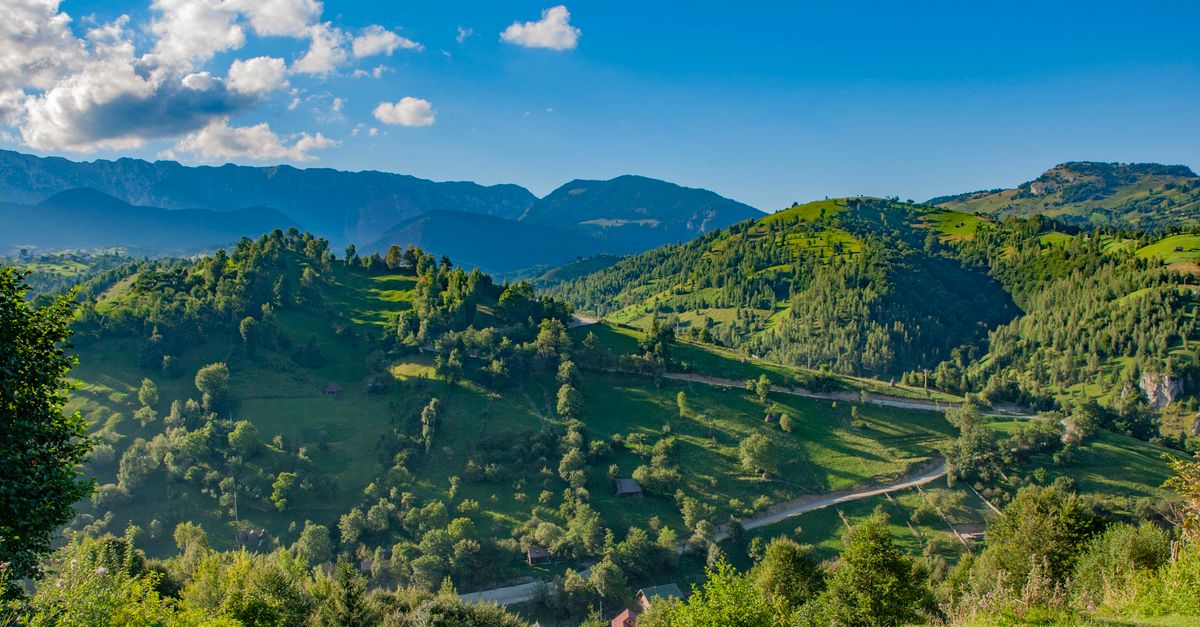
Safety is another concern that potential retirees often express. While media portrayals can be misleading, rural Romania is generally safe. Crime rates in these villages are low, and the community-oriented lifestyle means that neighbors look out for one another. Healthcare, though different from the U.S., is accessible and affordable, with private clinics available in larger towns like Sibiu or Cluj-Napoca for more specialized care. Healthcare costs can vary, but private health insurance is recommended for comprehensive coverage (verify before deciding).
Lastly, the perception of bureaucracy and red tape can be intimidating. Navigating the residency process requires patience and persistence, but many retirees find that local expat communities offer invaluable support and advice. It’s important to manage expectations and understand that things may move at a slower pace than you’re used to. As of now, U.S. citizens can stay in Romania for up to 90 days without a visa, but for longer stays, a long-stay visa and residence permit are required (verify before deciding).
Is This Place Right for You?
Deciding if a Transylvanian village is the right place for your retirement involves a deep dive into personal preferences and lifestyle aspirations. Those who thrive here often appreciate a slower pace of life and have a genuine interest in cultural immersion. A willingness to adapt and a fondness for rural living are key, as the conveniences of city life are not always within immediate reach.

Conversely, if you’re someone who relies heavily on the amenities of urban life, or if the idea of learning a new language feels overwhelming, these villages might pose challenges. It’s worth considering a trial period to see if the lifestyle suits you. Renting a home for a few months allows you to experience the rhythms of daily life and determine if the village community feels like home.
Ultimately, the decision to retire in a Transylvanian village should resonate with your personal values and lifestyle goals. Consider what truly matters to you in this new chapter of life. Are you seeking community, tranquility, or adventure? Each day offers a chance to explore these questions amid the quiet beauty of Romania’s countryside.
In contemplating such a move, what do you value most in your day-to-day life, and how might this hidden corner of the world fulfill or challenge those values?