Croatia - Hidden Islands and Stone Villages to Retire — A Local's Perspective
Croatia, with its over 1,000 islands, offers a unique retirement experience that is both affordable and culturally rich. The island of Vis, for example, is just a two-hour ferry ride from Split, yet it feels worlds apart with its unspoiled nature and historic stone villages. This article will help you determine if Croatia's hidden islands and quaint villages are the right fit for your retirement plans.
Quick Take
- Best for: American retirees who want a slower pace of life in a historic, coastal setting.
- Monthly reality: Approximately $2,000–$2,500 for a comfortable lifestyle, including rent and healthcare.
- Biggest advantage: Affordable cost of living with stunning natural beauty.
- Biggest warning: Language barrier and bureaucracy can be challenging.
- Before moving: Verify visa, healthcare, tax, housing, and insurance rules with official sources or a qualified professional.
Exploring Life on Vis Island
Vis Island, located about 40 miles from the mainland, is a haven for those seeking tranquility. The island is known for its vineyards, olive groves, and the town of Komiža. Renting a modest apartment in Komiža can cost around $500 per month, significantly less than in more tourist-heavy destinations. The local market offers fresh produce and seafood, making it easy to maintain a healthy diet.

However, Vis's remote location means limited access to healthcare facilities. The island has a health center, but for specialized medical care, a trip to Split is necessary. While the ferry runs regularly, it can be inconvenient, especially during winter months when schedules are reduced. Retirees must weigh the peace and quiet against the potential need for frequent travel.
Stone Villages of Istria
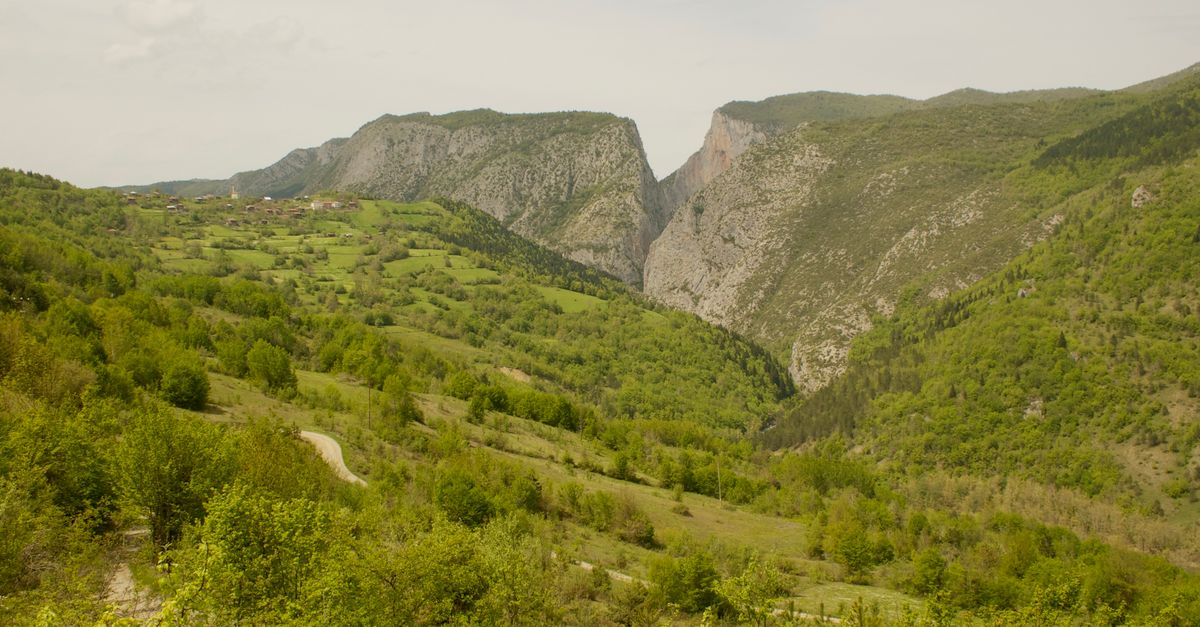
Inland from the coast, the Istrian Peninsula is dotted with stone villages like Motovun and Grožnjan. These villages offer a glimpse into Croatia's medieval past, with cobblestone streets and ancient architecture. Housing in these areas is affordable, with small homes available for purchase starting at $70,000. The cost of living is generally lower than on the coast, with local markets providing fresh, reasonably priced produce.

However, these villages are not without their challenges. Public transportation is limited, necessitating a car for errands and doctor visits. Additionally, while the local population is welcoming, English is not widely spoken, which can make daily interactions difficult for those not fluent in Croatian. Retirees considering Istria should be prepared for a more self-sufficient lifestyle.
Healthcare and Accessibility in Split
For retirees who prefer a balance between island life and city amenities, Split offers a viable option. The city is home to KBC Split, one of Croatia's largest hospitals, providing comprehensive healthcare services. Private health insurance is recommended to cover any gaps in public healthcare, with plans costing around $100–$150 per month.
Split's international airport and ferry connections make it a convenient base for exploring the Adriatic. While the city is more active than the islands, it retains a laid-back atmosphere with its historic Diocletian's Palace and busy Riva promenade. Housing costs in Split are higher, with a one-bedroom apartment in the city center averaging $800 per month.
A common misconception is that Split is only a tourist center, but it offers a busy local community and cultural events year-round. However, retirees should be aware of the summer influx of tourists, which can make the city feel crowded and drive up prices temporarily.
Practical Comparison Table
| Decision Area | Practical Detail | Retirement Note | |---|---|---| | Monthly Cost | $2,000–$2,500 | Budget includes rent, healthcare, and daily expenses | | Healthcare | Access to KBC Split | Verify private insurance needs | | Housing | Rent in Komiža or Split | Check lease terms and conditions | | Transportation | Ferry and local buses | Consider car for remote areas | | Safety | Low crime rates | Confirm emergency services access |
Healthcare, Visa, Tax, and Safety Notes
Before retiring to Croatia, verify healthcare access and private insurance needs. While public healthcare is available, private insurance can provide faster access to specialists. Ensure you understand the visa or residency rules, as these can change and may involve a lengthy application process.
U.S. citizens must also consider tax obligations in both countries, potentially consulting a tax professional to avoid double taxation. Safety is generally not a concern, with low crime rates, but retirees should familiarize themselves with local emergency services and walkability, especially in more remote areas.
Common Mistakes Retirees Should Avoid
- Underestimating the language barrier and its impact on daily life.
- Failing to secure comprehensive private health insurance.
- Ignoring the need for a car in rural or island areas.
- Overlooking the importance of understanding local customs and laws.
- Assuming all areas have the same level of healthcare access.
- Not budgeting for travel costs to access specialized medical care.
- Neglecting to verify the terms of long-term leases or property purchases.
Before You Move Checklist
- Verify visa or residency rules for long-term stays.
- Confirm healthcare access and private insurance requirements.
- Understand U.S. and Croatian tax obligations.
- Check rent and lease terms for housing.
- Assess the walkability and transportation options in your chosen area.
- Research safety and emergency services availability.
- Evaluate language barriers and consider language classes.
- Plan for transportation needs, especially if living on an island.
- Confirm access to international travel options.
- Investigate local customs and community integration opportunities.
Frequently Asked Questions
Is English widely spoken in Croatia?
English is commonly spoken in tourist areas and larger cities like Split and Dubrovnik. However, in rural areas and smaller villages, English speakers are less common, and learning basic Croatian phrases can be very helpful.
What is the healthcare system like in Croatia?
Croatia has a public healthcare system that provides basic medical services. However, for faster access and specialized care, private health insurance is recommended. Major cities like Split have good healthcare facilities, but access is more limited on islands and in rural areas.
How difficult is it to obtain a residency visa for Croatia?
Obtaining a residency visa can be complex, requiring documentation such as proof of income, health insurance, and accommodation. It's advisable to consult with a legal expert or the Croatian consulate for the most current requirements.
Related Golden Horizons Guides
- Best Countries to Retire Abroad on a Budget
- Healthcare Abroad for American Retirees
- Retiring Abroad Checklist for Americans
- Visa Rules for Americans Retiring Abroad
About Golden Horizons
Golden Horizons helps Americans age 60+ compare retirement-abroad destinations using practical information about cost of living, healthcare, housing, visas, taxes, safety, walkability, and lifestyle. Our goal is to help readers avoid expensive mistakes before choosing where to live overseas.
Final Verdict
Retiring in Croatia's islands and villages suits those seeking tranquility and low living costs, but potential retirees must navigate language barriers and healthcare access. Consider consulting with professionals on tax and visa requirements to ensure a smooth transition.