
Peru - Residency Options for American Retirees — A Local’s Perspective
When considering retirement abroad, Peru might not be the first destination that springs to mind. Yet, this South American country offers a combination of cultural richness and financial feasibility that could appeal to many retirees. However, potential retirees must weigh the benefits against some practical considerations, such as residency requirements and lifestyle adjustments.
Navigating Residency and Visa Options
For American retirees, obtaining residency in Peru is a relatively straightforward process, but it does require careful planning. The most common visa for retirees is the Rentista Visa, which mandates proof of a stable monthly income of at least $1,000 from a pension or similar source. This requirement ensures that retirees can support themselves without working in Peru.
The process of obtaining this visa involves gathering documentation that can be time-consuming and occasionally frustrating due to bureaucratic inefficiencies. Translation of documents into Spanish and legalizations are often necessary, adding to the complexity. Therefore, some retirees might find it beneficial to hire a local attorney to navigate these hurdles efficiently.
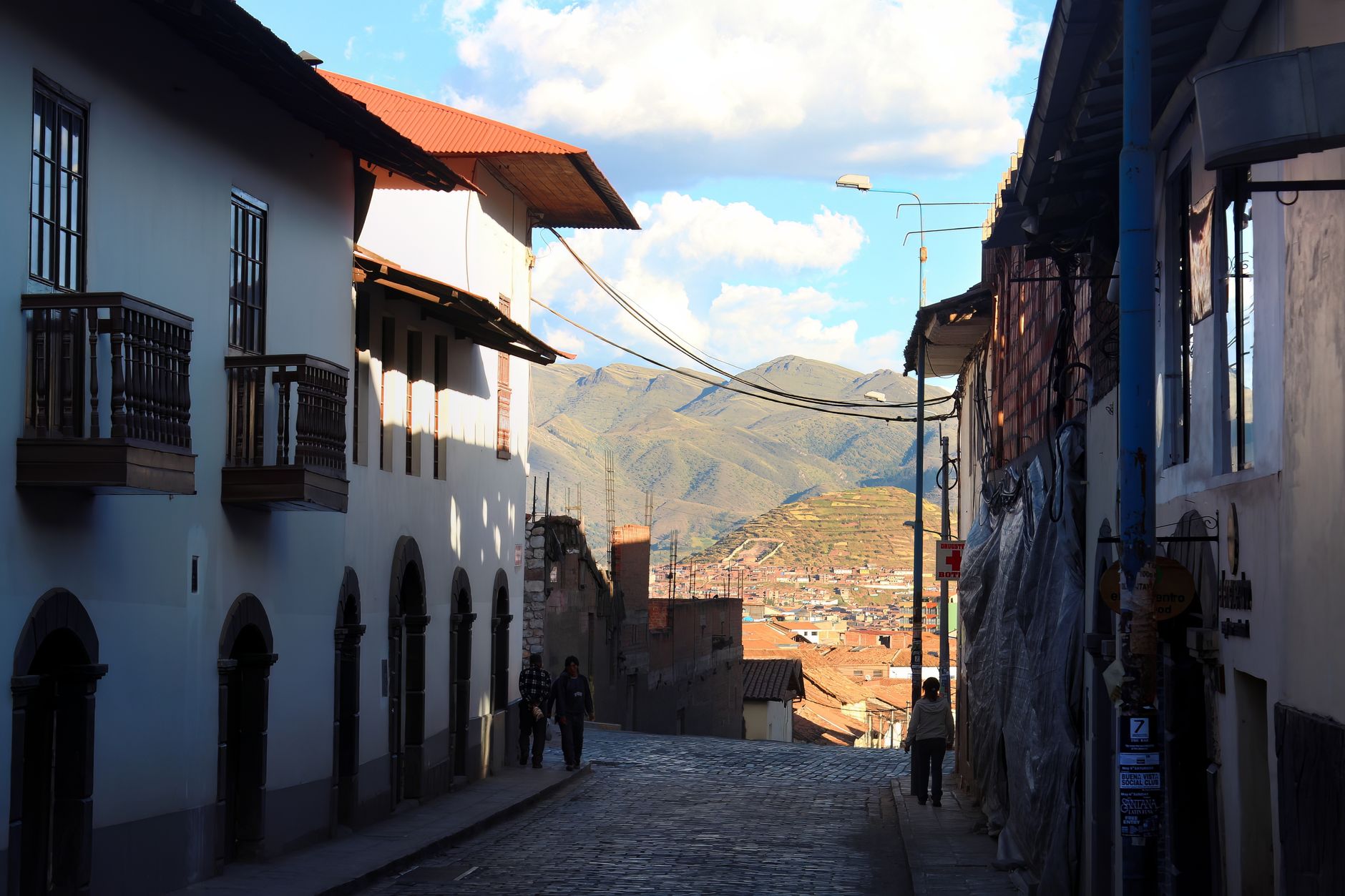
Cost-wise, living in Peru can be quite economical. A comfortable lifestyle in cities like Lima or Cusco can often be maintained on $2,000 to $3,500 per month, depending on personal preferences and housing choices. However, prospective retirees should be aware that while the cost of living is lower, the availability of certain imported goods might be limited or more expensive than in the U.S.
Healthcare Considerations and Costs
Healthcare is a critical consideration for retirees, and Peru offers both public and private healthcare services. While public healthcare is available, many expatriates opt for private healthcare due to shorter wait times and more modern facilities. Cities like Lima have reputable private hospitals with English-speaking staff, which can be reassuring for retirees.

The cost of private health insurance varies but generally ranges from $100 to $300 per month, depending on age and coverage level. While these costs are typically lower than in the United States, retirees should verify whether their specific health needs can be met in Peru, especially if they require ongoing treatments or medications.
A lifestyle advantage in Peru is the emphasis on community and outdoor activities, which can contribute positively to one's health. However, the challenge lies in adjusting to the local pace and understanding cultural nuances, which can take time and patience.
Daily Life and Cultural Integration
Living in Peru offers retirees a chance to immerse themselves in a vibrant culture with a slower pace of life. Whether strolling through bustling markets or enjoying a meal at a local café, the experience can be enriching. The cost of dining out is generally affordable, with a meal at a mid-range restaurant costing around $5 to $15.
However, retirees should be prepared for certain lifestyle adjustments. While major cities are increasingly catering to international tastes, smaller towns may offer fewer amenities and less diversity in available products. This can be a tradeoff for those seeking a more tranquil, less urban setting.
Walking is a common mode of transportation in Peruvian cities, but uneven sidewalks and traffic can be challenging for those with mobility issues. Public transportation is widely available and inexpensive, yet it may not meet the comfort standards some retirees are accustomed to. Learning some Spanish can greatly enhance the experience of integrating into the community and navigating daily tasks.


