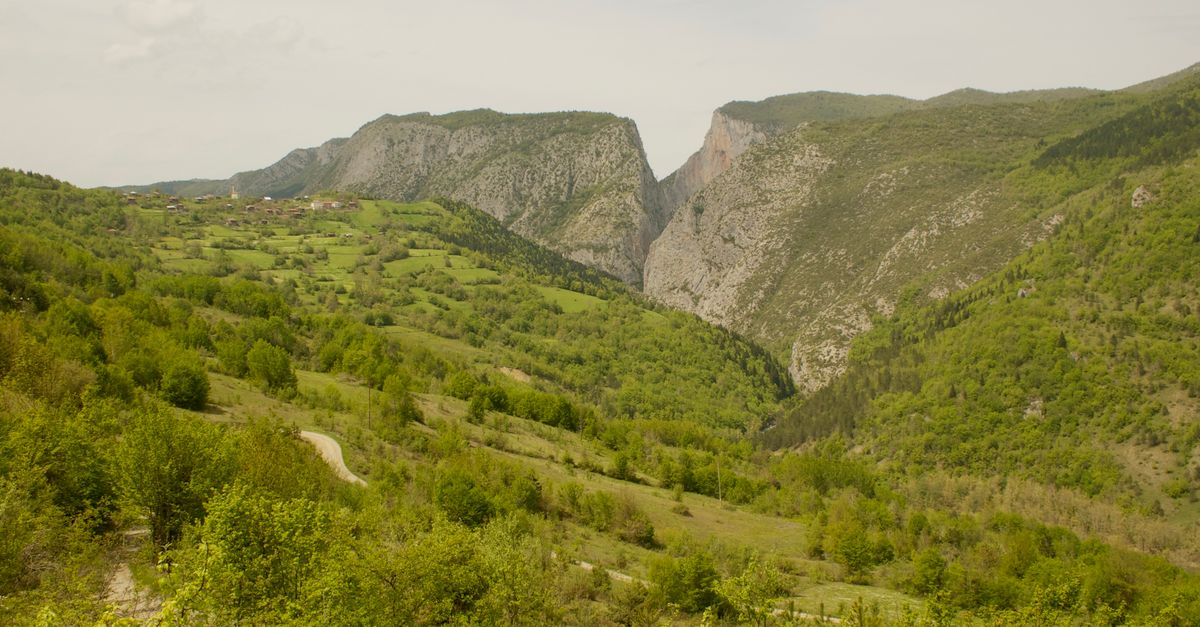
Peru - Hidden Andean Towns with Mild Weather — A Local's Perspective
At an elevation of 9,022 feet, the town of Chachapoyas in northern Peru offers a surprisingly mild climate with average temperatures ranging from 50°F to 70°F year-round. Unlike the busy tourist spots of Cusco or Lima, Chachapoyas and other Andean towns like Cajamarca and Ayacucho provide a quieter lifestyle with a historical backdrop. This article will help you determine if retiring to one of these hidden towns is the right choice for you, considering factors like cost of living, healthcare, and lifestyle adjustments.
Quick Take
- Best for: American retirees who want a mild climate and a quieter lifestyle with cultural depth.
- Monthly reality: Expect to spend around $1,200 to $1,500 for a modest lifestyle, including rent, food, and utilities.
- Biggest advantage: Affordable cost of living with access to cultural experiences and historical sites.
- Biggest warning: Limited healthcare facilities compared to larger cities; you may need to travel for specialized care.
- Before moving: Verify visa, healthcare, tax, housing, and insurance rules with official sources or a qualified professional.
Chachapoyas: A Peaceful Retreat with Historical Significance
With a population of about 20,000 people, Chachapoyas is known for its proximity to the Kuelap fortress, often referred to as the "Machu Picchu of the North." The cost of living here is relatively low, with monthly rent for a two-bedroom apartment averaging around $300. Daily expenses, including groceries from the local Mercado Central, are affordable, making it feasible to live comfortably on a modest budget.

However, the town's remoteness presents a challenge. The nearest airport is in Jaén, about a five-hour drive away, making travel somewhat cumbersome. Public transport within Chachapoyas is limited to mototaxis and buses, which are inexpensive but may not suit everyone, especially those with mobility issues. Despite these limitations, Chachapoyas offers a tranquil lifestyle with a strong sense of community and access to impressive natural landscapes.
Cajamarca: Cultural Richness and Natural Beauty
Cajamarca, known for its historic role in the Spanish conquest of the Inca Empire, offers a combination of culture and nature. The city is home to approximately 220,000 residents and boasts a busy local market scene, particularly at the Mercado Central de Cajamarca. Here, you can find fresh produce and local delicacies at reasonable prices.

The healthcare facilities in Cajamarca, such as Hospital Regional Docente de Cajamarca, provide basic medical services. However, for more specialized care, you may need to travel to Lima. The town's elevation of 8,900 feet means a mild climate, but it can take time to adjust to the altitude. Consider this if you have respiratory issues.
Housing is affordable, with a decent apartment costing around $400 per month. The city is walkable, with most amenities accessible within a short distance. However, the roads can be uneven, which might pose a challenge for those with limited mobility.
Ayacucho: A Town Steeped in History
Ayacucho, with its 33 churches and significant role in Peru's history, offers a cultural experience. The town's elevation of 9,000 feet ensures a mild climate, similar to Chachapoyas and Cajamarca. Housing is affordable, with monthly rents for a comfortable apartment starting at $350. The local food scene is active, with traditional Peruvian dishes readily available at local eateries.
One common assumption is that Ayacucho, due to its size and historical importance, would have extensive healthcare facilities. However, while there are several clinics and a regional hospital, options for specialized care are limited. Residents often travel to Lima for complex medical needs.
The town's infrastructure is improving, but it's still developing in many areas. Roads can be challenging, and public transportation primarily consists of buses and taxis. For retirees seeking a slower pace of life with cultural immersion, Ayacucho is ideal, but be prepared for the limitations in modern conveniences.
Practical Comparison Table
| Decision Area | Practical Detail | Retirement Note | |---|---|---| | Monthly Cost | $1,200 to $1,500 | Budget for housing, food, and utilities | | Healthcare | Basic services available | Verify access to specialized care | | Housing | Rent from $300 to $400 | Check lease terms and building quality | | Transportation | Limited public transport | Consider mobility needs | | Safety | Generally safe | Be aware of road conditions and local advice |
Healthcare, Visa, Tax, and Safety Notes
Before moving to Peru, understand the healthcare system. While basic medical care is available in towns like Chachapoyas, Cajamarca, and Ayacucho, you might need private insurance for comprehensive coverage or access to private clinics. Check the availability of emergency services and the proximity to larger hospitals for specialized care.
Visa requirements can be complex, so consult the Peruvian consulate or a qualified professional to understand the necessary documentation for long-term residency. Be aware of your U.S. tax obligations and any tax treaties between the U.S. and Peru that might affect your financial planning.
Safety in these towns is generally good, but familiarize yourself with local customs and stay informed about any regional advisories. Walkability varies, so consider how this might impact your daily life, especially if mobility is a concern.
Common Mistakes Retirees Should Avoid
- Assuming healthcare facilities are comparable to those in larger cities.
- Underestimating the impact of altitude on health and daily activities.
- Failing to verify visa requirements and residency rules.
- Overlooking the importance of learning basic Spanish for daily interactions.
- Ignoring the need for private health insurance for comprehensive care.
- Not budgeting for potential travel to Lima for specialized medical services.
- Overlooking infrastructure limitations, such as road conditions and public transport.
Before You Move Checklist
- Verify visa or residency rules with the Peruvian consulate.
- Assess healthcare access and consider private insurance options.
- Understand your U.S. and Peruvian tax obligations.
- Check rent and lease terms for housing in your chosen town.
- Evaluate walkability and transportation options.
- Research safety and local advisories.
- Consider language barriers and plan for language learning.
- Investigate emergency access and proximity to larger hospitals.
- Familiarize yourself with local customs and cultural norms.
- Plan for potential altitude adjustment and related health impacts.
Frequently Asked Questions
Is healthcare in these towns sufficient for retirees?
Basic healthcare services are available, but for specialized care, you may need to travel to larger cities like Lima. It's advisable to have private health insurance to access better facilities.
What is the cost of living in these Andean towns?
You can expect to spend between $1,200 and $1,500 per month for a modest lifestyle, including housing, food, and utilities. This makes these towns affordable compared to many U.S. cities.
How do I manage transportation in these towns?
Public transportation is limited, mainly consisting of buses and taxis. If you have mobility issues, consider the walkability of your chosen town and the state of local roads.
Related Golden Horizons Guides
- Best Countries to Retire Abroad on a Budget
- Healthcare Abroad for American Retirees
- Retiring Abroad Checklist for Americans
- Visa Rules for Americans Retiring Abroad
About Golden Horizons
Golden Horizons helps Americans age 60+ compare retirement-abroad destinations using practical information about cost of living, healthcare, housing, visas, taxes, safety, walkability, and lifestyle. Our goal is to help readers avoid expensive mistakes before choosing where to live overseas.
Final Verdict
These hidden Andean towns in Peru offer affordable living and cultural depth, making them suitable for retirees seeking a quieter lifestyle. However, the altitude and limited healthcare facilities mean potential residents should evaluate health needs carefully and plan for travel to larger cities for specialized care. Always check official sources or consult professionals for the latest visa, healthcare, and tax information before making the move.