Quick Taste
Jollof rice in Lagos is a staple dish with a blend of tomatoes, onions, and spices, and the city itself is a hotspot for experiencing its flavors. Lagos is better for those seeking a newer take on Jollof rice with diverse accompaniments, while the countryside offers a more traditional, smokier version cooked over open flames. For value, local street vendors in Lagos provide affordable options, whereas upscale restaurants offer convenience and ambiance. Old-style flavor seekers will appreciate the countryside's traditional preparation, while first-time visitors might find the lighter, less spicy urban versions more approachable.

In Lagos, Jollof rice is more than just a meal; it’s a cultural emblem that embodies the Nigerian spirit. Visitors will encounter a dish that is often served warm, with a slightly sticky texture due to the absorption of the tomato stew. Typically accompanied by fried plantains, grilled chicken, or fish, Jollof rice varies in spice levels and ingredients. Some chefs add vegetables or shrimp for a different twist. First-timers should expect a hearty portion, usually filling enough to be a meal on its own, yet versatile enough to complement a variety of side dishes.
The Story Behind the Dish
Jollof rice is believed to have originated from the Wolof people in Senegal and Gambia, but it has become a popular dish across West Africa, with each country adding its own flair. In Nigeria, Jollof rice is a centerpiece at celebrations, from weddings to birthdays, and is often seen as a dish that brings people together. The Nigerian version is distinct for its use of long-grain parboiled rice, which absorbs the spicy tomato sauce, creating a flavorful and aromatic experience.
The preparation of Jollof rice in Nigeria is both an art and a science. The base is a tomato, pepper, and onion blend, often enhanced with garlic, ginger, and bay leaves. The dish is typically cooked in a single pot, allowing the flavors to meld together. This method also gives the rice a slightly smoky flavor, especially when cooked over open fire, a technique that is more common in rural areas. The rivalry between Nigeria and Ghana over who makes the best Jollof rice is well-known, with each side passionately defending their version.
How Locals Eat It
In Lagos, Jollof rice is a versatile dish enjoyed in various settings, from casual street food stalls to high-end restaurants. Locals often eat it as a main course, paired with fried plantains, known as dodo, and a choice of protein like chicken, beef, or fish. It's common to find Jollof rice served at parties and gatherings, where it’s usually presented in large, communal bowls for guests to help themselves.

Street vendors offer a quick and affordable way to enjoy Jollof rice, often serving it in takeaway packs for those on the go. At home, families may prepare Jollof rice as a Sunday meal, accompanied by a fresh salad or moi moi, a steamed bean pudding. The dish is also a popular choice for lunch or dinner, with many Lagosians enjoying it as a comforting, satisfying meal that can be easily customized to personal taste preferences.
Where to Find It
Lagos is a culinary haven for Jollof rice enthusiasts, with numerous spots offering their take on this dish. For a traditional experience, head to the lively streets of Yaba or Surulere, where local vendors serve generous portions at pocket-friendly prices. These areas are known for their popular food scenes and are great places to start your Jollof rice exploration.
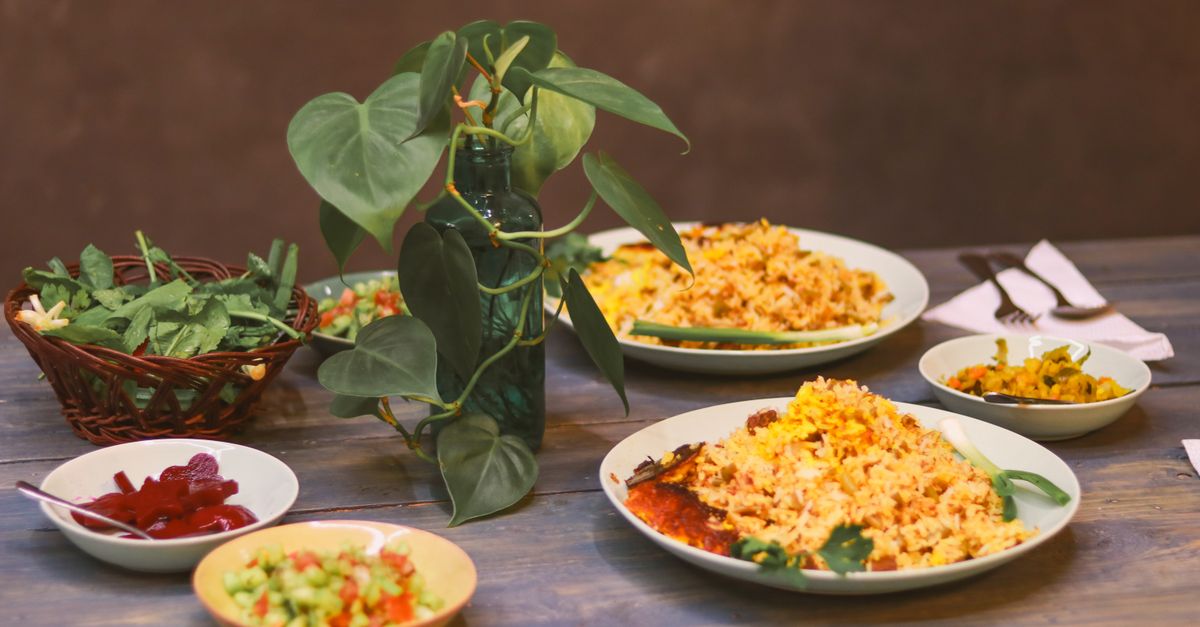
For those seeking a more upscale dining experience, restaurants like Yellow Chilli and Terra Kulture in Victoria Island offer refined versions of Jollof rice, often with creative twists. These establishments provide a comfortable setting to enjoy the dish, paired with expertly crafted cocktails or a selection of Nigerian beers. Additionally, food festivals and markets like the Lagos Food Fest are excellent opportunities to sample Jollof rice from various vendors, each showcasing their unique style and flavor profile.
City vs. Countryside Flavor
The flavor of Jollof rice can vary significantly between the city and the countryside. In Lagos, the dish often features a more refined, less spicy profile, catering to diverse palates and dietary preferences. Urban chefs may incorporate international influences, adding ingredients like shrimp or mixed vegetables to create a fusion of flavors that appeal to a cosmopolitan audience.
In contrast, the countryside offers a more rustic version of Jollof rice, characterized by its smoky taste from being cooked over open fires. This method imparts a distinct aroma and depth of flavor that many purists argue is the true essence of Jollof rice. The countryside version is typically spicier, reflecting the traditional Nigerian palate, and often includes locally sourced ingredients, giving it a fresher, more robust taste.
Cost, Portions, and Ordering Tips
Jollof rice in Lagos is available at a wide range of prices, making it accessible to all budgets. Street vendors offer portions for as low as 500 NGN, providing a filling meal at an affordable price. In contrast, dining in a mid-range restaurant might cost between 1,500 to 3,000 NGN, depending on the accompaniments and the establishment's location.
When ordering Jollof rice, consider the portion size and accompaniments. A typical serving is generous, often enough to satisfy a hearty appetite. If you're dining with others, consider ordering a variety of sides to share, such as fried plantains, grilled chicken, or suya, a spicy meat skewer. For those with dietary restrictions, many restaurants offer vegetarian versions of Jollof rice, substituting meat with vegetables or tofu.
What to Know Before You Try It
Before trying Jollof rice in Lagos, it's helpful to know that spice levels can vary significantly. If you're sensitive to heat, ask for a milder version or request that the dish be prepared with less pepper. Additionally, be mindful of portion sizes, as the dish is typically served generously.
For those with dietary restrictions, it's important to communicate your needs clearly when ordering. Many places offer vegetarian or vegan options, but it's always best to confirm the ingredients used. Also, be aware that Jollof rice is often cooked with stock cubes, which may contain allergens like MSG. If you have specific allergies, inquire about the preparation methods and ingredients used to ensure a safe dining experience.
Common Mistakes Visitors Make
One common mistake visitors make when trying Jollof rice in Lagos is not specifying their spice preference. Nigerian cuisine is known for its bold flavors, and Jollof rice can be quite spicy. To avoid an overwhelming experience, it's advisable to request a milder version if you're not accustomed to spicy food.
Another mistake is overlooking the importance of accompaniments. Jollof rice is traditionally served with sides like fried plantains, grilled meats, or salads, which enhance the overall meal. Neglecting these can result in a less satisfying experience. Lastly, visitors often underestimate portion sizes. Jollof rice is typically served in generous portions, so it's wise to start with a smaller serving or share with others to avoid wastage.
Frequently Asked Questions
What makes Nigerian Jollof rice different from other versions?
Nigerian Jollof rice is distinct for its use of parboiled long-grain rice, which absorbs the tomato-based sauce well, resulting in a flavorful and aromatic dish. It often includes a variety of spices and ingredients like bay leaves, thyme, and Scotch bonnet peppers, giving it a unique taste compared to other West African versions.
Can I find vegetarian Jollof rice in Lagos?
Yes, many restaurants and vendors in Lagos offer vegetarian versions of Jollof rice. These typically substitute meat with vegetables or tofu, providing a delicious alternative for those with dietary restrictions. It's always a good idea to confirm the ingredients used to ensure they meet your dietary needs.
How spicy is Jollof rice in Lagos?
The spice level of Jollof rice in Lagos can vary depending on where you eat it. Street vendors and traditional eateries may serve spicier versions, while upscale restaurants often cater to a wider range of palates and may offer milder options. If you're sensitive to spice, it's best to request a less spicy version when ordering.
Is Jollof rice safe for tourists to eat?
Jollof rice is generally safe for tourists to eat, especially when purchased from reputable vendors or restaurants. However, it's important to ensure that the food is freshly prepared and served hot to reduce the risk of foodborne illness. When dining at street stalls, choose vendors with a high turnover of customers, as this often indicates fresher food.
Related Golden Horizons Guides
- Best Countries to Retire Abroad on a Budget
- Healthcare Abroad for American Retirees
- Retiring Abroad Checklist for Americans
- Visa Rules for Americans Retiring Abroad
About Golden Horizons
Golden Horizons is the retirement abroad magazine for Americans who aren’t done yet.
Final Bite
Jollof rice in Lagos offers a flavorful introduction to Nigerian cuisine, with its blend of spices and popular accompaniments. Whether you prefer the refined, milder versions found in the city or the traditional, smoky flavors of the countryside, there's a Jollof rice experience waiting for you. From street vendors to upscale restaurants, Lagos provides a diverse range of options to satisfy your taste buds. Remember to specify your spice preference and enjoy the dish with classic sides for a truly satisfying meal.