Montenegro - Hidden Mountain Villages above the Bay of Kotor — A Local’s Perspective
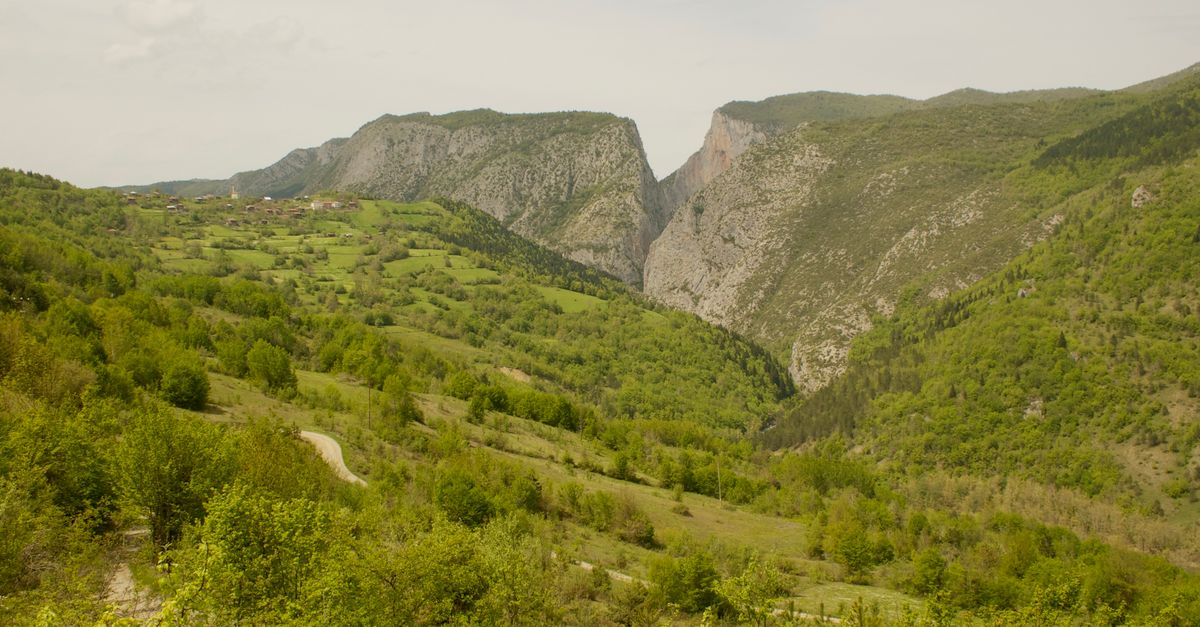
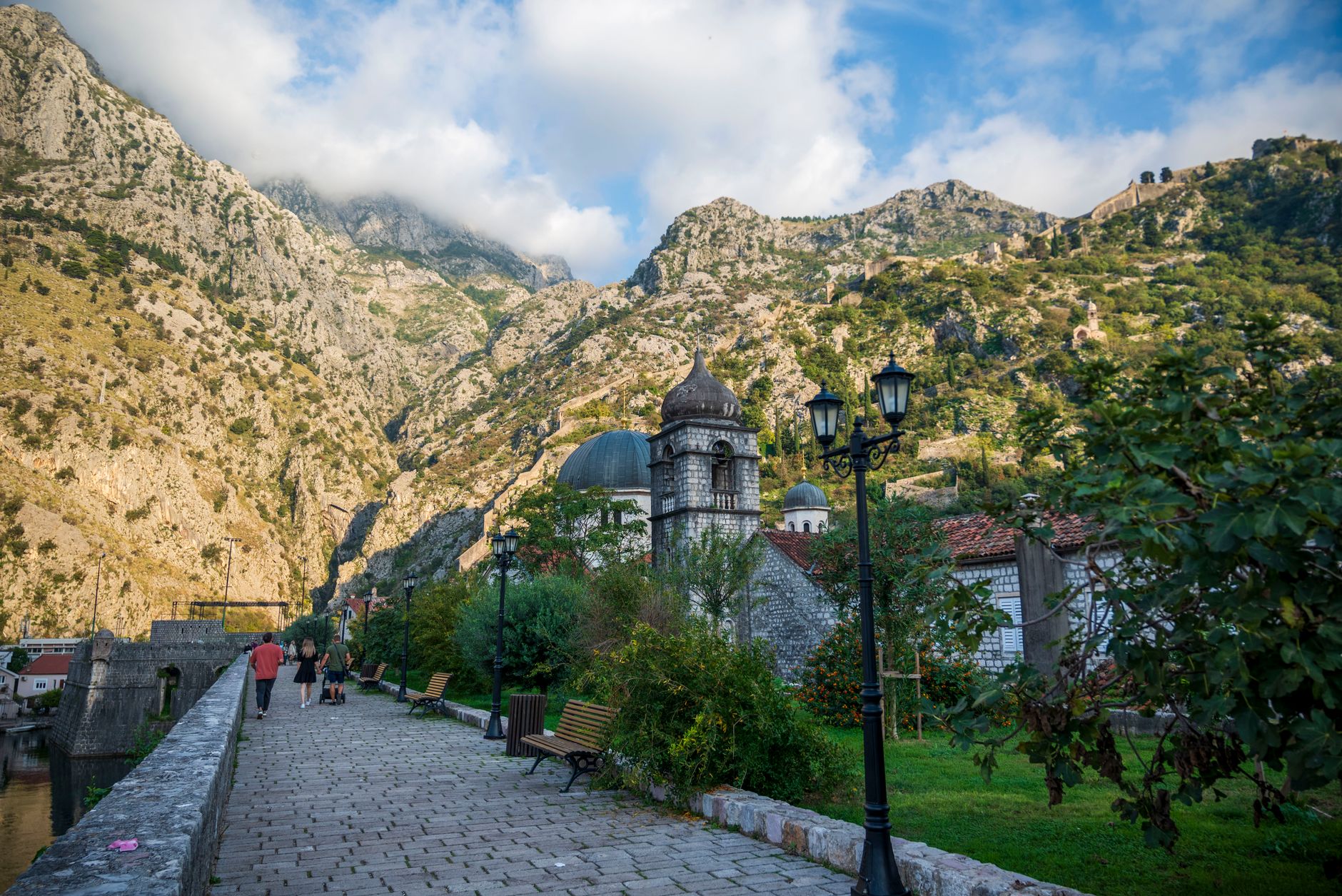
When considering retirement abroad, many envision sun-drenched beaches or bustling European capitals. However, Montenegro offers a unique alternative: the tranquil mountain villages above the Bay of Kotor. Here, the serene landscape presents a surprising mix of affordability and lifestyle, but it also demands a certain level of adaptability.
Cost of Living and Housing
Retiring in one of Montenegro's mountain villages can be both affordable and financially comfortable. Depending on your lifestyle choices, monthly expenses can range from $2,000 to $5,000. Housing, a significant part of any budget, is notably less expensive than in many U.S. cities. For example, a two-bedroom apartment in a village like Njeguši may rent for as low as $500 per month. Alternatively, purchasing a home might cost between $80,000 and $150,000, depending on the property's condition and location.
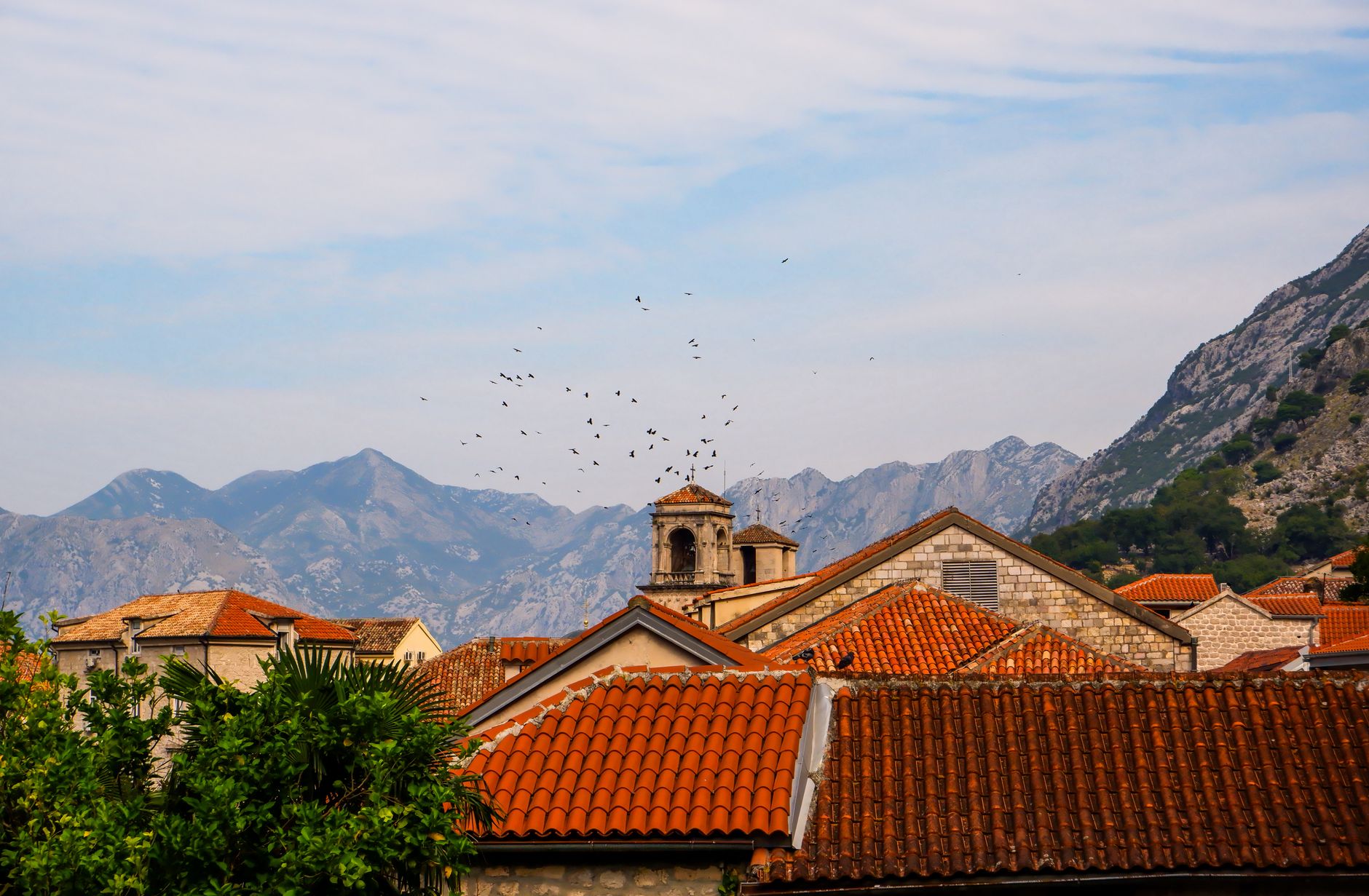
However, retirees should be prepared for the tradeoff of limited housing options. While charming, the available properties may require renovation and adaptation to meet Western standards of comfort. Additionally, while property taxes are low, maintenance costs can add up, particularly for older buildings. It's essential to conduct thorough research and possibly visit the area to understand these costs fully.
Lifestyle and Daily Routines
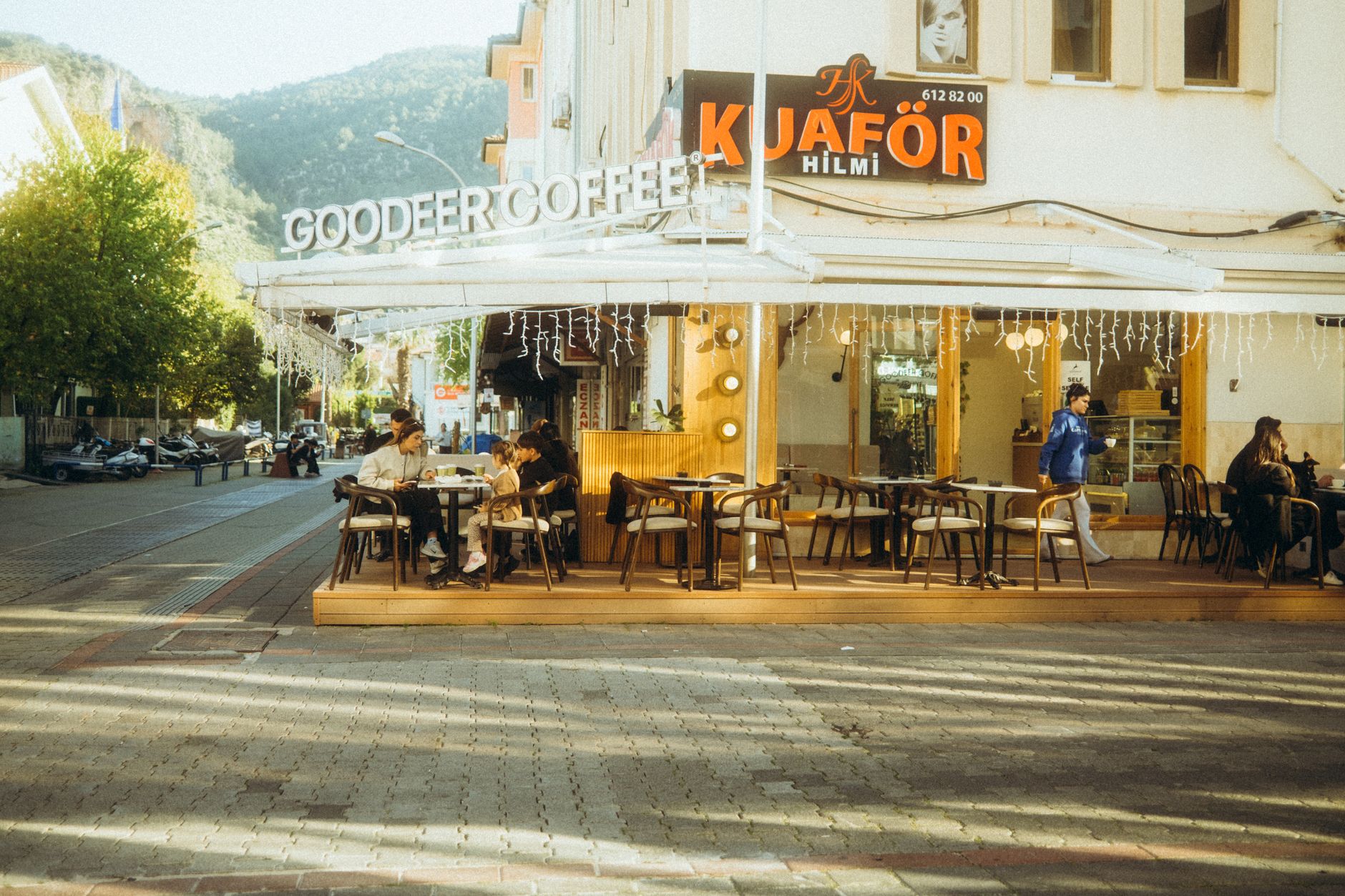
Life in Montenegro's mountain villages is characterized by simplicity and a slower pace, which can be both a blessing and a challenge. The daily routine often centers around nature, with opportunities for hiking, gardening, and enjoying the breathtaking views of the Bay of Kotor. The community-oriented lifestyle means that social interactions are frequent, often revolving around small local markets and cafes where residents gather to share stories and enjoy local delicacies.
Despite the idyllic setting, the lifestyle may not suit everyone. The remoteness of these villages means that conveniences such as large supermarkets or international cuisine options are limited. Retirees should be prepared for a primarily local diet and the need to travel to larger towns for more diverse shopping options. Furthermore, while the community aspect can be enriching, language barriers can pose challenges initially, as English is not widely spoken outside tourist areas.
Healthcare and Accessibility
Healthcare is a critical consideration for retirees, and Montenegro offers a mixed picture. Basic healthcare services are available in nearby towns, and the cost is generally lower than in the United States. For instance, a visit to a local doctor can cost around $30, and prescription medications are often cheaper. However, for more specialized treatments, retirees may need to travel to larger cities like Podgorica or even abroad, which can be inconvenient and costly.
Accessibility is another factor to consider. The mountainous terrain, while beautiful, can make travel challenging, especially in winter months when roads may be less navigable. Public transportation is limited, so owning a car might be necessary, adding to the overall cost of living. Retirees should weigh these accessibility issues against the tranquility and cost benefits of living in such a unique environment.