Mexico - Safest Places to Retire in Mexico’s Highlands — A Local's Perspective
Retiring in Mexico's highlands offers a blend of cultural richness, temperate climate, and affordable living, making it an appealing option for many American retirees. Nestled away from the bustling coasts, the highlands provide a serene environment with a lower cost of living. As you consider this destination for your golden years, understanding the nuances of daily life, cost, and safety becomes crucial.
Cost of Living and Housing Options
Mexico's highlands present a range of affordable living options, allowing retirees to stretch their budget comfortably. Depending on your lifestyle, a monthly budget of $2000 to $5000 can cover housing, utilities, healthcare, and leisure activities.
-
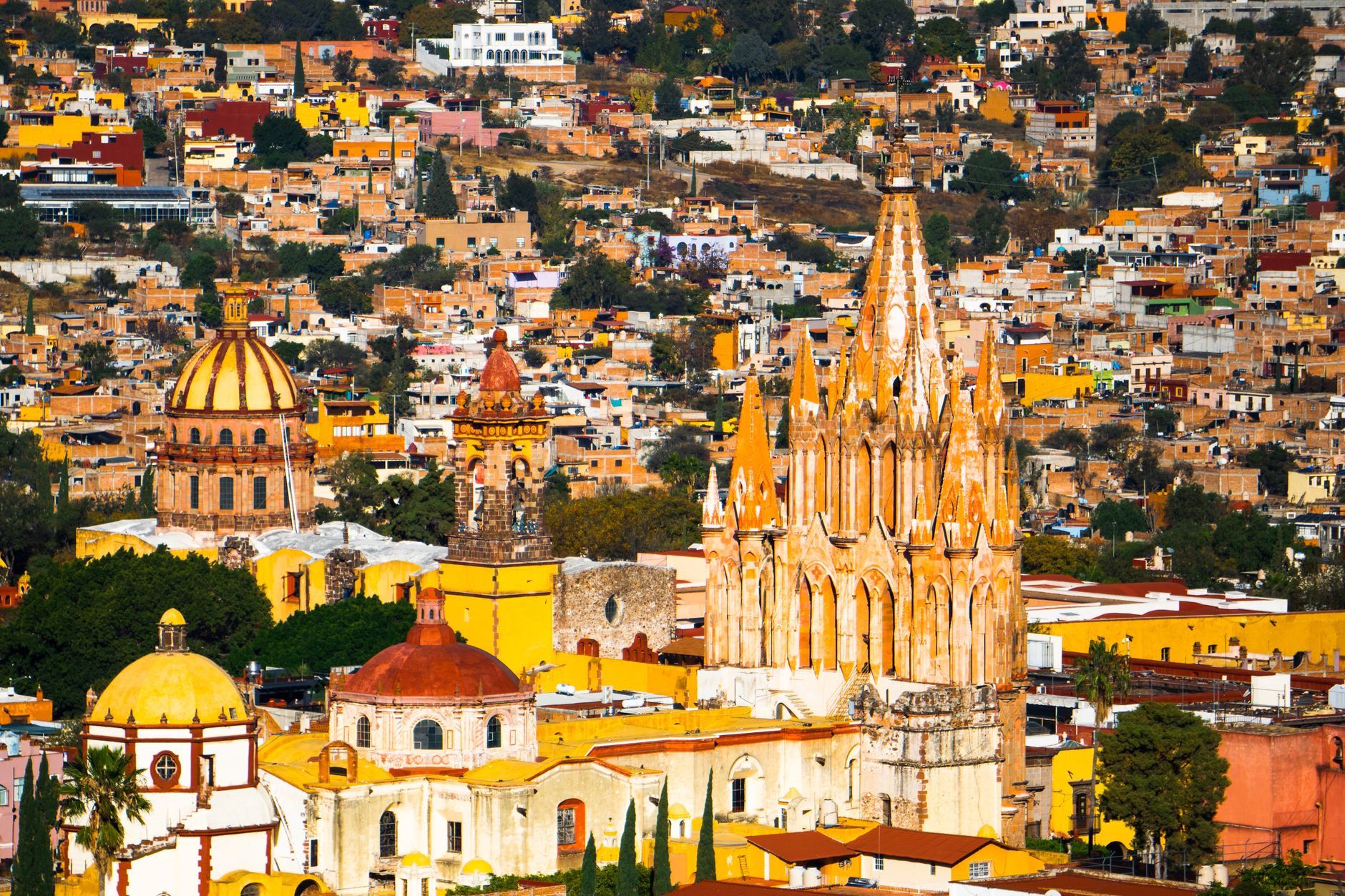
Housing Costs: In popular highland cities like San Miguel de Allende or Guanajuato, expect to pay between $600 to $1500 per month for a comfortable two-bedroom apartment or house. These areas often have a mix of colonial charm and modern amenities. If you prefer a more luxurious setting, gated communities offer houses with prices starting at $2000 per month.
-
Utilities and Groceries: Utilities, including electricity, water, and internet, typically range from $100 to $200 monthly. Meanwhile, groceries are significantly cheaper than in the U.S. A couple can expect to spend around $300 to $500 per month on groceries, enjoying fresh produce from local markets.
-
Dining and Entertainment: Dining out is affordable, with meals at local restaurants costing between $5 to $15 per person. For entertainment, many highland cities offer cultural events, art galleries, and music festivals, often at little to no cost, enriching your retirement lifestyle without breaking the bank.
Healthcare Access and Quality
Healthcare in Mexico's highlands is generally of good quality and significantly more affordable than in the United States. However, it varies depending on the location and type of facility.

-
Public vs. Private Healthcare: Mexico has both public and private healthcare systems. While public healthcare is available, many expatriates prefer private hospitals for their faster service and English-speaking staff. Private healthcare is still relatively inexpensive, with consultations costing between $30 to $50.
-
Insurance Options: Retirees often opt for private health insurance, which can cost between $100 to $300 per month, depending on age and coverage level. Some choose to pay out-of-pocket for routine care due to its affordability.
-
Medical Facilities: Cities like Querétaro and Morelia boast modern hospitals with internationally trained doctors. For specialized treatments or emergencies, larger cities such as Mexico City are a few hours away, offering a broader range of medical services. It's advisable to have a plan for accessing these facilities when needed.
Daily Lifestyle and Transportation
Life in Mexico's highlands is characterized by a slower pace, providing a peaceful and relaxed environment for retirees. However, it's essential to consider your lifestyle preferences and transportation needs.
-
Walkability and Social Life: Many highland towns are highly walkable, with cobblestone streets and vibrant plazas. This setup encourages an active lifestyle and makes it easy to connect with locals and fellow expatriates. Social activities, including language classes, volunteer opportunities, and community groups, are abundant and provide meaningful ways to engage with your new environment.
-
Transportation: Public transportation is generally reliable and inexpensive. Buses and taxis are readily available, with local bus fares typically around $0.50 to $1. Many retirees also find it convenient to own a car for exploring the surrounding areas, though this can add $100 to $200 to your monthly budget for fuel and maintenance.
-
Tradeoffs and Considerations: While the slower pace and cultural immersion can be appealing, some retirees may miss the convenience of amenities found in larger U.S. cities. Access to certain goods and services might be limited, and Spanish proficiency can greatly enhance your experience, though many locals speak English, especially in expatriate communities.
Retiring in Mexico's highlands offers a unique opportunity to enjoy a rich cultural experience, a comfortable lifestyle, and financial flexibility. However, careful planning and consideration of your personal needs and preferences are crucial to making the most of this transition. By understanding the costs, healthcare options, and daily lifestyle, you can decide if this enchanting region aligns with your retirement dreams.