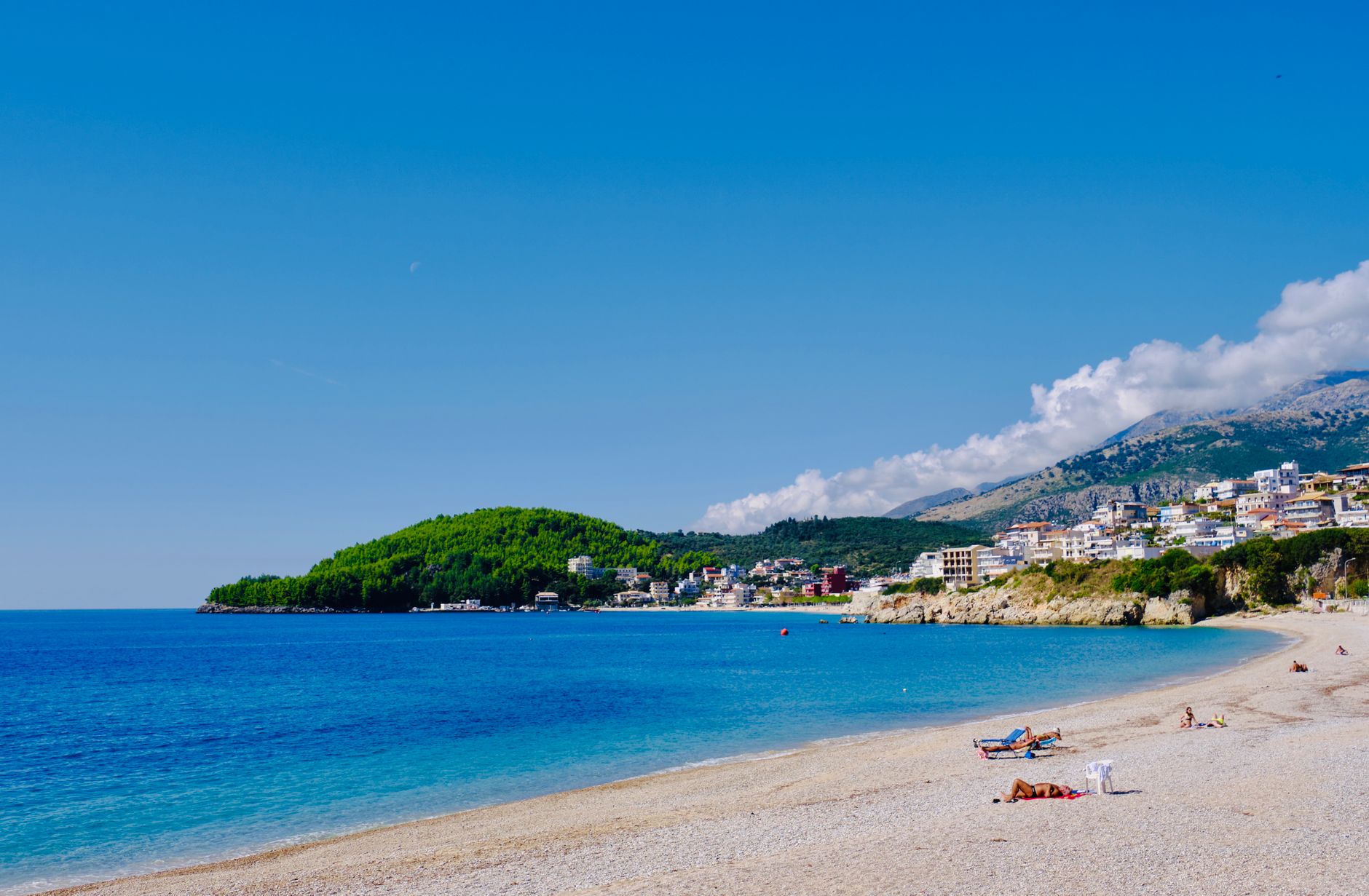
Greece - Safest Greek Islands for Retirement — A Local's Perspective
With a population of just over 11 million, Greece is renowned for its history, stunning landscapes, and welcoming culture. Among its offerings, the Greek islands stand out as potential retirement havens, each with its own unique character and lifestyle. However, selecting the right island for retirement involves more than just picturesque views. This article will guide you through the safest Greek islands for retirement, weighing the pros and cons of each.
Quick Take
- Best for: American retirees who want a safe, tranquil lifestyle with cultural richness.
- Monthly reality: Expect a budget of $1,500 to $2,500, depending on lifestyle choices.
- Biggest advantage: Low crime rates and peaceful communities.
- Biggest warning: Potential isolation during off-peak seasons.
- Before moving: Verify visa, healthcare, tax, housing, and insurance rules with official sources or a qualified professional.
Crete: Safety and Culture
Crete, the largest of the Greek islands, is home to approximately 630,000 residents. It offers a combination of safety, culture, and natural beauty. The city of Chania, with its Venetian harbor, is particularly popular among retirees for its active yet secure environment. Crete's healthcare system includes the General Hospital of Chania, which provides a range of medical services.

While Crete is generally safe, retirees should be aware of its busy tourist season, which can lead to crowded streets and higher prices. The island's public transportation system, primarily buses, connects major towns, but having a car can be beneficial for exploring more remote areas. Retirees should also consider the island's size, as some areas can feel isolated, especially during the winter months.
Rhodes: Historical and Modern Conveniences
Rhodes, known for its medieval architecture and sunny climate, is another excellent option for retirees seeking safety. The island's population of around 115,000 enjoys a low crime rate, making it a peaceful place to settle. The Old Town of Rhodes is a UNESCO World Heritage Site, offering historical features and modern amenities.

The General Hospital of Rhodes provides adequate healthcare services, though some retirees may opt for private insurance to access more comprehensive care. The island's public transportation system is well-developed, with buses and taxis readily available. However, traffic can be a concern, especially in tourist-heavy areas, so planning travel times accordingly is advisable.
Naxos: Tranquility and Natural Beauty
Naxos, the largest island in the Cyclades, offers a tranquil lifestyle with a population of about 20,000. Known for its beautiful beaches and traditional villages, Naxos is ideal for retirees seeking a quieter environment. The island's low crime rate adds to its appeal as a safe retirement destination.
Healthcare on Naxos is more limited compared to larger islands, with the Naxos Health Center providing basic medical services. Retirees may need to travel to Athens for specialized care. The island's transportation options include buses and taxis, but having a personal vehicle is recommended for convenience. Naxos can be quite isolated during the winter months, which may not suit those seeking a more active social scene year-round.
Practical Comparison Table
| Decision Area | Practical Detail | Retirement Note | |---|---|---| | Monthly Cost | $1,500 - $2,500 | Budget varies by lifestyle and island | | Healthcare | General Hospital of Chania, Rhodes, Naxos Health Center | Verify private insurance needs | | Housing | Variety of options in Chania, Rhodes, Naxos | Check lease terms and building quality | | Transportation | Buses, taxis, personal vehicles | Consider vehicle for remote areas | | Safety | Low crime rates on all islands | Verify local safety measures |
Healthcare, Visa, Tax, and Safety Notes
When retiring to the Greek islands, verify healthcare access and private insurance needs. While larger islands like Crete and Rhodes have hospitals, smaller islands may offer limited medical services. Retirees should confirm visa or residency rules, as Greece requires non-EU citizens to apply for a residence permit.
Tax obligations can be complex, as U.S. retirees must consider both local taxes and U.S. tax obligations. Consulting a tax professional familiar with international tax laws is advisable. Safety is generally not a major concern, but it's wise to check local crime rates and emergency access in your chosen area.
Common Mistakes Retirees Should Avoid
- Underestimating the cost of living on smaller islands.
- Overlooking the need for private health insurance.
- Ignoring local transportation limitations.
- Failing to account for seasonal changes in population and services.
- Not verifying local safety measures and emergency access.
- Assuming all islands offer the same amenities and lifestyle.
- Neglecting to learn basic Greek for daily interactions.
Before You Move Checklist
- Verify visa or residency rules for Greece.
- Confirm healthcare access and private insurance requirements.
- Consult with a tax professional about U.S. and Greek tax obligations.
- Research housing options and verify lease terms.
- Assess transportation needs, including vehicle availability.
- Check local safety and emergency services.
- Learn basic Greek language skills for smoother integration.
- Investigate seasonal changes in population and services.
- Explore local community organizations for social opportunities.
Frequently Asked Questions
What is the cost of living on the Greek islands?
The cost of living can vary significantly, with monthly budgets ranging from $1,500 to $2,500 depending on the island and lifestyle choices. Housing, healthcare, and transportation are key factors.
How is healthcare on the Greek islands?
Healthcare quality varies by island. Larger islands like Crete and Rhodes have hospitals, while smaller islands may only offer basic medical services. Private insurance is recommended for comprehensive care.
Are the Greek islands safe for retirees?
The Greek islands generally have low crime rates, making them safe for retirees. However, verify local safety measures and emergency services in your chosen area.
Related Golden Horizons Guides
- Best Countries to Retire Abroad on a Budget
- Healthcare Abroad for American Retirees
- Retiring Abroad Checklist for Americans
- Safest Countries to Retire Abroad
About Golden Horizons
Golden Horizons helps Americans age 60+ compare retirement-abroad destinations using practical information about cost of living, healthcare, housing, visas, taxes, safety, walkability, and lifestyle. Our goal is to help readers avoid expensive mistakes before choosing where to live overseas.
Final Verdict
Greece's islands offer a peaceful retirement with low crime rates, but consider personal healthcare needs and consult on tax obligations. Verify residency requirements, and prepare for potential isolation on some islands during off-peak seasons. Always consult with official sources or qualified professionals before making a move.