Curanto in Chiloé Island vs Mainland Chile — A Taste of Local Life

Quick Take
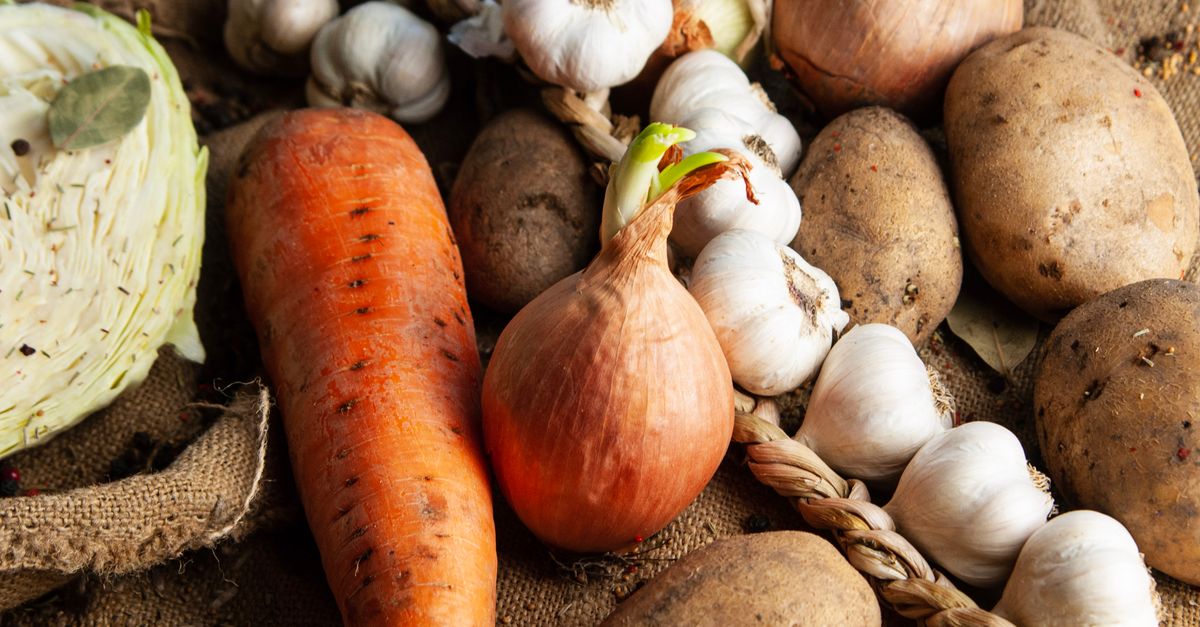
Curanto is a traditional Chilean dish that embodies the cultural richness of the country, especially on Chiloé Island. This communal dish, featuring seafood, meat, potatoes, and vegetables, is typically cooked in a pit with hot stones. For retirees considering Chile as a destination, understanding curanto offers insights into local life and culture. While curanto is a staple on Chiloé Island, its mainland variations provide a different cultural and gastronomic experience.
Curanto is more than just a meal; it's a social event often enjoyed during gatherings. Retirees should be aware that the preparation and ingredients can vary significantly between Chiloé Island and the mainland, reflecting diverse culinary practices across Chile. Those with dietary restrictions or health concerns should approach it with caution due to its hearty nature and potential allergens like shellfish.
Why This Dish Matters
Curanto holds a special place in Chilean culture, particularly on Chiloé Island, where it symbolizes community and tradition. Traditionally cooked in a large pit using heated stones, this method, known as "curanto al hoyo," is central to social gatherings and celebrations. On the mainland, curanto is often prepared in a pot, known as "curanto en olla," which is more accessible in urban settings.

Chiloé’s version of curanto is deeply rooted in the island's indigenous Mapuche and Huilliche cultures, making it a unique culinary experience. It is typically enjoyed during weekends or special occasions, emphasizing its role as a communal dish. On the mainland, while the dish retains its festive nature, it is more frequently found in casual settings such as family gatherings or local restaurants.
Where Retirees Are Likely to Encounter It
Retirees will find curanto most authentically on Chiloé Island, where local markets and family-run eateries offer the dish prepared traditionally. In contrast, mainland Chile offers curanto in various forms, often in casual dining restaurants and local festivals. While tourist areas may offer curanto, it's advisable to seek it out in places frequented by locals for a more authentic experience.
In cities such as Santiago or Valparaíso, curanto en olla is more common, reflecting the adaptation of the dish to urban life. Retirees should explore neighborhood eateries or local gatherings to experience curanto as part of everyday Chilean life.
Cost, Health, and Lifestyle Notes
The cost of curanto can vary significantly depending on where it is purchased. On Chiloé Island, a traditional curanto al hoyo might cost around 12,000–15,000 CLP ($15–$19 USD) per person. On the mainland, curanto en olla may range from 8,000–12,000 CLP ($10–$15 USD). Prices can fluctuate based on location and season.
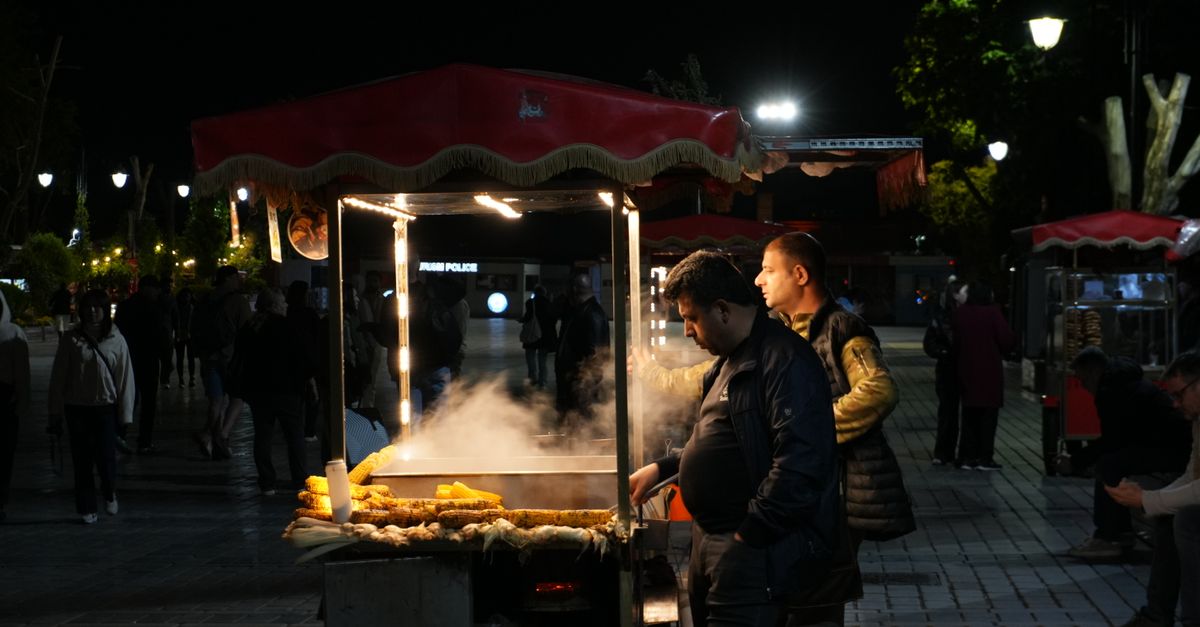
Health considerations are important, as curanto is a hearty dish that may include high levels of salt and seafood, which could be a concern for those with hypertension or shellfish allergies. Portions are typically large, making it a dish best shared. Retirees should be mindful of food safety practices, particularly when consuming curanto from street vendors or markets, where hygiene standards may vary.
Common Mistakes Visitors Make
Visitors often assume that curanto will be the same across Chile, but regional variations can be significant. Another common mistake is underestimating the portion size, as curanto is traditionally meant for sharing. Additionally, some may overlook the potential for food allergies, particularly with shellfish, which is a staple ingredient. Lastly, expecting the dish to be available everywhere can lead to disappointment, as its availability often depends on local customs and the day of the week.
Before You Try It Checklist
- Verify local food safety standards before consuming.
- Check for shellfish allergies or dietary restrictions.
- Be prepared for large portion sizes.
- Confirm if cash is needed, as some local spots may not accept cards.
- Ask locals for recommendations to find authentic versions.
Frequently Asked Questions
Is curanto healthy for retirees?
Curanto can be hearty and high in salt and seafood, which may not suit all dietary needs, especially for those with hypertension or allergies.
How much does curanto usually cost?
On Chiloé Island, expect to pay around 12,000–15,000 CLP ($15–$19 USD) per person. On the mainland, it may be slightly less expensive.
Where can I find authentic curanto?
Authentic curanto is best found on Chiloé Island in local markets or family-run eateries. On the mainland, look for it in neighborhood restaurants or festivals.
What should retirees know about trying curanto?
Be aware of portion sizes, potential allergens, and varying preparation methods. Verify food safety and local recommendations for the best experience.
Related Golden Horizons Guides
- Best Countries to Retire Abroad on a Budget
- Healthcare Abroad for American Retirees
- Retiring Abroad Checklist for Americans
- Visa Rules for Americans Retiring Abroad
About Golden Horizons
Golden Horizons is the retirement abroad magazine for Americans who aren’t done yet.
Final Verdict
Curanto offers a unique insight into Chilean culture, especially on Chiloé Island. It is ideal for those who enjoy communal dining experiences and exploring local traditions. However, retirees with dietary restrictions should exercise caution. Always verify local food safety and preparation methods to ensure an enjoyable experience.