Feijoada in Rio de Janeiro vs São Paulo — A Taste of Local Life
Quick Take
Feijoada, a hearty black bean stew with pork, is a cornerstone of Brazilian cuisine, particularly celebrated in Rio de Janeiro and São Paulo. This dish is more than just a meal; it’s a social event that brings people together, reflecting the communal culture of Brazil. Retirees considering a move to Brazil will find that feijoada offers insights into local life, with variations between cities showcasing regional differences. Understanding these local nuances can enrich the retirement experience, providing both culinary delight and cultural immersion.
Why This Dish Matters
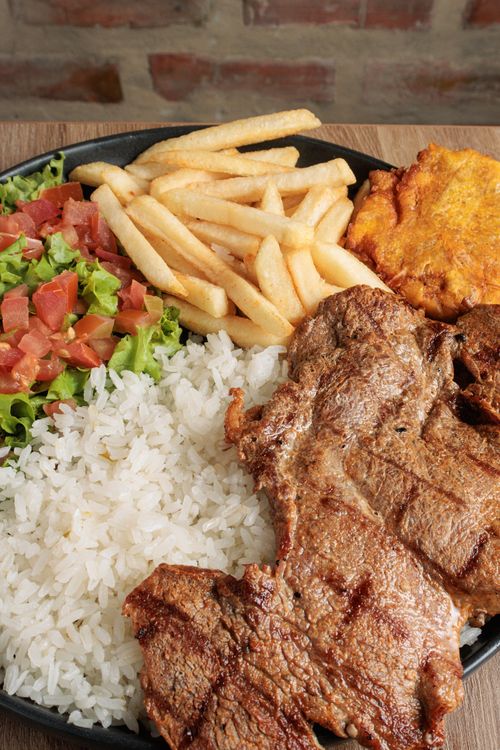
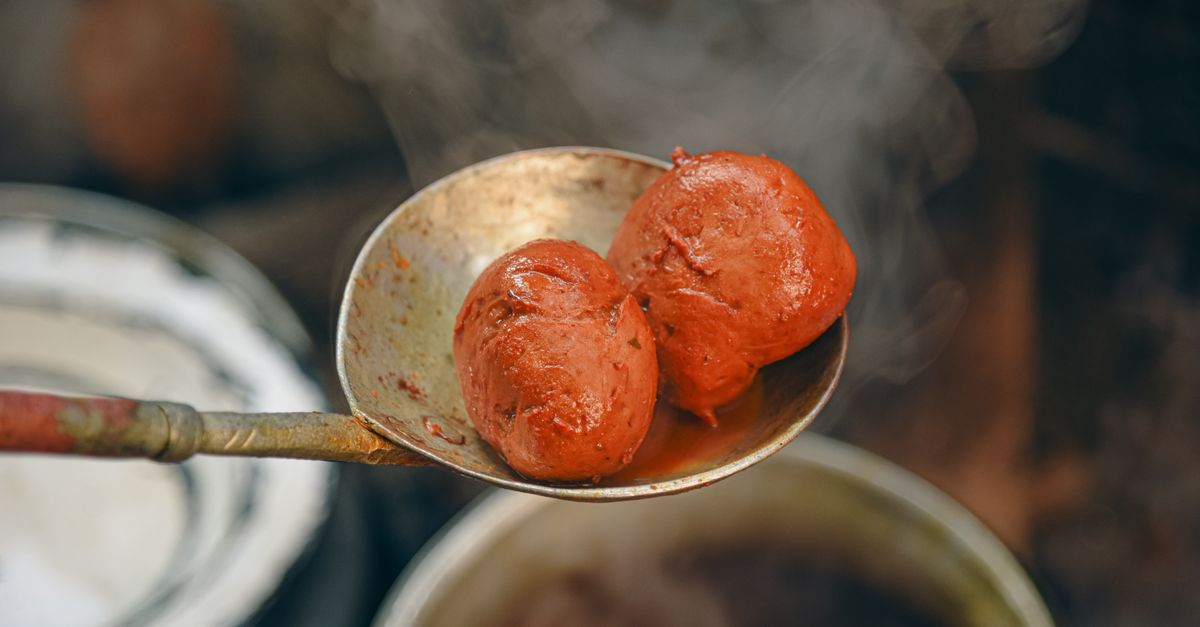
Feijoada is traditionally enjoyed as a weekend meal, often on Wednesdays and Saturdays, when families and friends gather to share this communal dish. Originating from the country's colonial period, it is deeply rooted in Brazilian history. In Rio de Janeiro, feijoada tends to be lighter, with an emphasis on the quality of the beans and the balance of flavors. In contrast, São Paulo's version is heartier, often featuring a wider variety of meats. Feijoada is typically served with rice, collard greens, orange slices, and farofa, a toasted cassava flour mixture. While it is a staple in casual dining and family gatherings, it is also featured in restaurants across both cities.
Where Retirees Are Likely to Encounter It
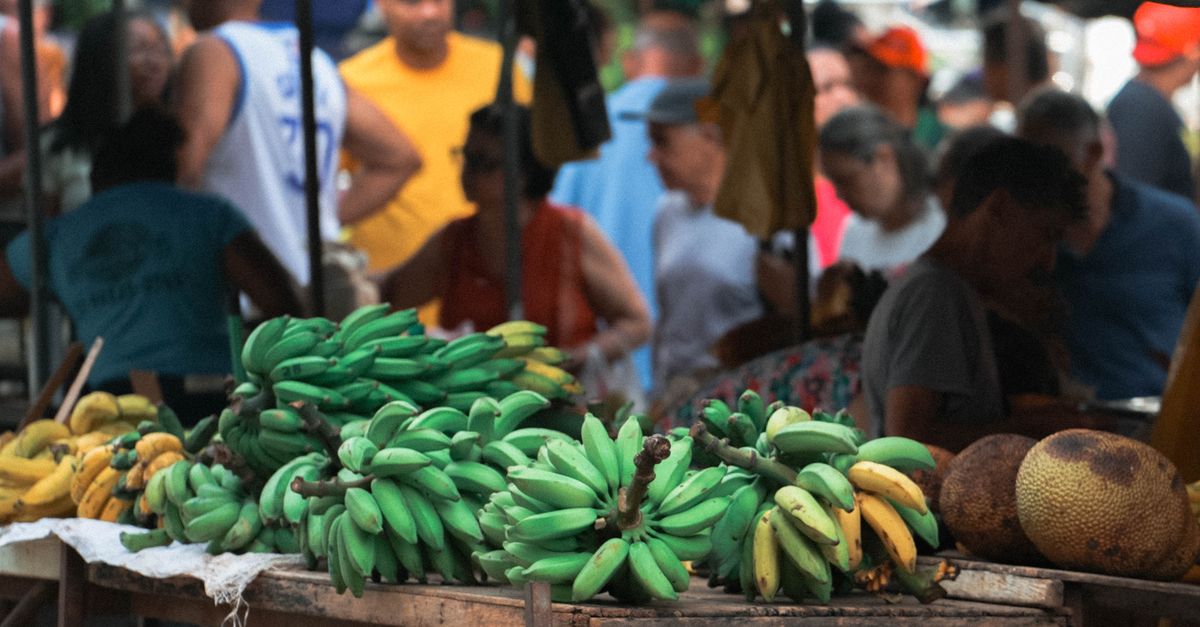
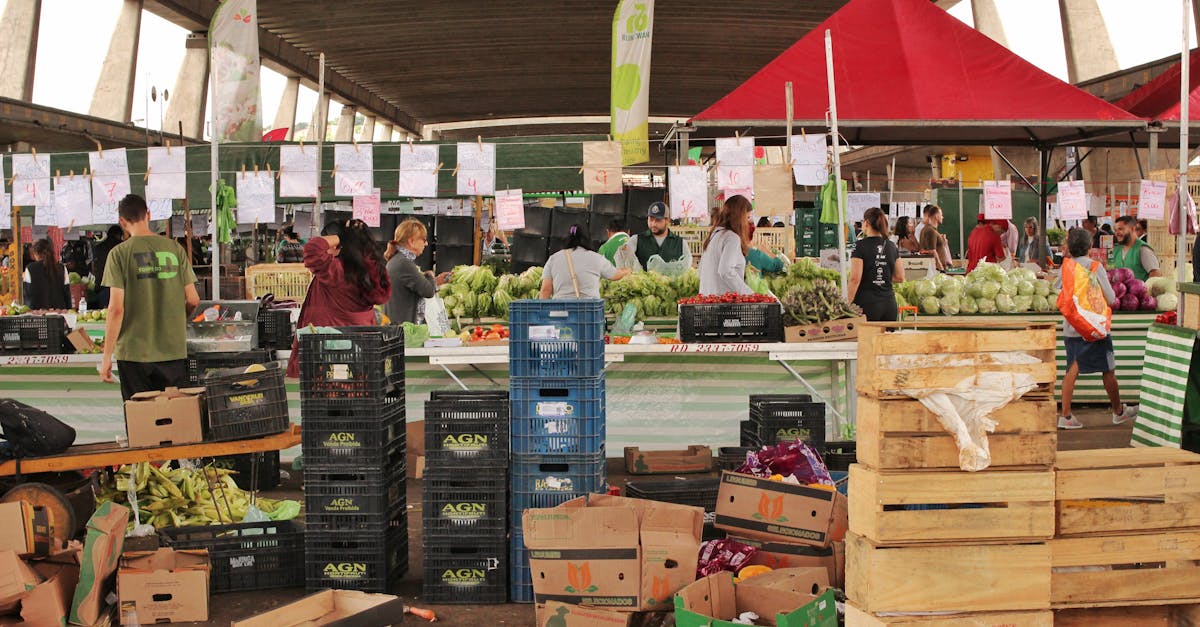
Retirees will find feijoada in local markets, family-owned restaurants, and neighborhood eateries in both Rio de Janeiro and São Paulo. These settings offer an authentic taste of the dish, often accompanied by live music and a lively atmosphere. While tourist areas may offer feijoada, they can be more expensive and less authentic. For a genuine experience, exploring local neighborhoods and smaller establishments is recommended. Additionally, some cultural festivals in both cities feature feijoada as a highlight, providing a festive environment to enjoy this traditional meal.
Cost, Health, and Lifestyle Notes
The cost of feijoada can vary widely depending on the location and setting. In local eateries, a serving might range from BRL 30 to BRL 70 (approximately USD 6 to USD 14). In more upscale restaurants, prices can be higher. Feijoada is a rich dish that can be high in salt and fat due to the pork and sausage content, which retirees should consider if managing dietary restrictions related to heart health or blood pressure. It's typically a heavy meal, so portion control is advisable. As with any local dish, food safety is important; ensuring the restaurant maintains good hygiene standards is crucial.
Common Mistakes Visitors Make
A common mistake is assuming all feijoada is the same. The differences between Rio and São Paulo versions can be subtle yet significant. Visitors may also overlook the accompaniments, which are essential to the complete feijoada experience. Another mistake is underestimating the portion size; feijoada is filling, and sharing a portion may be more practical. Retirees might also assume that all restaurants accept credit cards, but cash is often preferred in smaller, local establishments. Lastly, visiting only tourist areas can lead to missing out on the authentic flavors found in local neighborhoods.
Before You Try It Checklist
- Verify the restaurant's hygiene standards.
- Be mindful of portion sizes; consider sharing.
- Check if the restaurant accepts cash or cards.
- Ask about the specific meats used if dietary restrictions apply.
- Plan for a leisurely meal; feijoada is meant to be savored.
Frequently Asked Questions
Is feijoada healthy for retirees?
Feijoada can be high in salt and fat, making it less ideal for those with dietary restrictions related to heart health. Moderation is key.
How much does feijoada usually cost in Brazil?
In local eateries, feijoada can range from BRL 30 to BRL 70 (about USD 6 to USD 14), but prices can be higher in upscale restaurants.
Where is the best place to try feijoada in Rio de Janeiro and São Paulo?
Local markets and family-owned restaurants offer the most authentic experiences. Tourist areas may be less authentic and more expensive.
Can feijoada be too spicy for retirees?
Feijoada is generally not spicy, but it can be seasoned with various spices. If spice is a concern, inquire about the seasoning beforehand.
Related Golden Horizons Guides
- Best Countries to Retire Abroad on a Budget
- Healthcare Abroad for American Retirees
- Retiring Abroad Checklist for Americans
- Visa Rules for Americans Retiring Abroad
About Golden Horizons
Golden Horizons is the retirement abroad magazine for Americans who aren’t done yet.
Final Verdict
Feijoada offers retirees a flavorful entry point into Brazilian culture, with variations that reflect local traditions. Those with dietary restrictions should approach it with caution and verify local hygiene standards. Exploring beyond tourist areas can lead to more authentic and affordable experiences.