
Uruguay - Healthcare Quality for Expats in Uruguay — A Local's Perspective
Considering retiring in Uruguay? It's a country that offers a unique blend of tranquility, culture, and modern amenities. One of the primary concerns for retirees is healthcare quality, and rightly so. Understanding what to expect in terms of healthcare can significantly impact your decision to settle in this South American gem. Here’s a closer look at healthcare quality for expats in Uruguay.
Understanding Uruguay's Healthcare System
Uruguay's healthcare system is often regarded as one of the best in Latin America. It is a mix of public and private services, offering a variety of options depending on personal preferences and budget. The public healthcare system, known as the Administración de los Servicios de Salud del Estado (ASSE), provides free or low-cost services to citizens and residents. However, it may have longer wait times and limited English-speaking staff, which can be a consideration for expats.
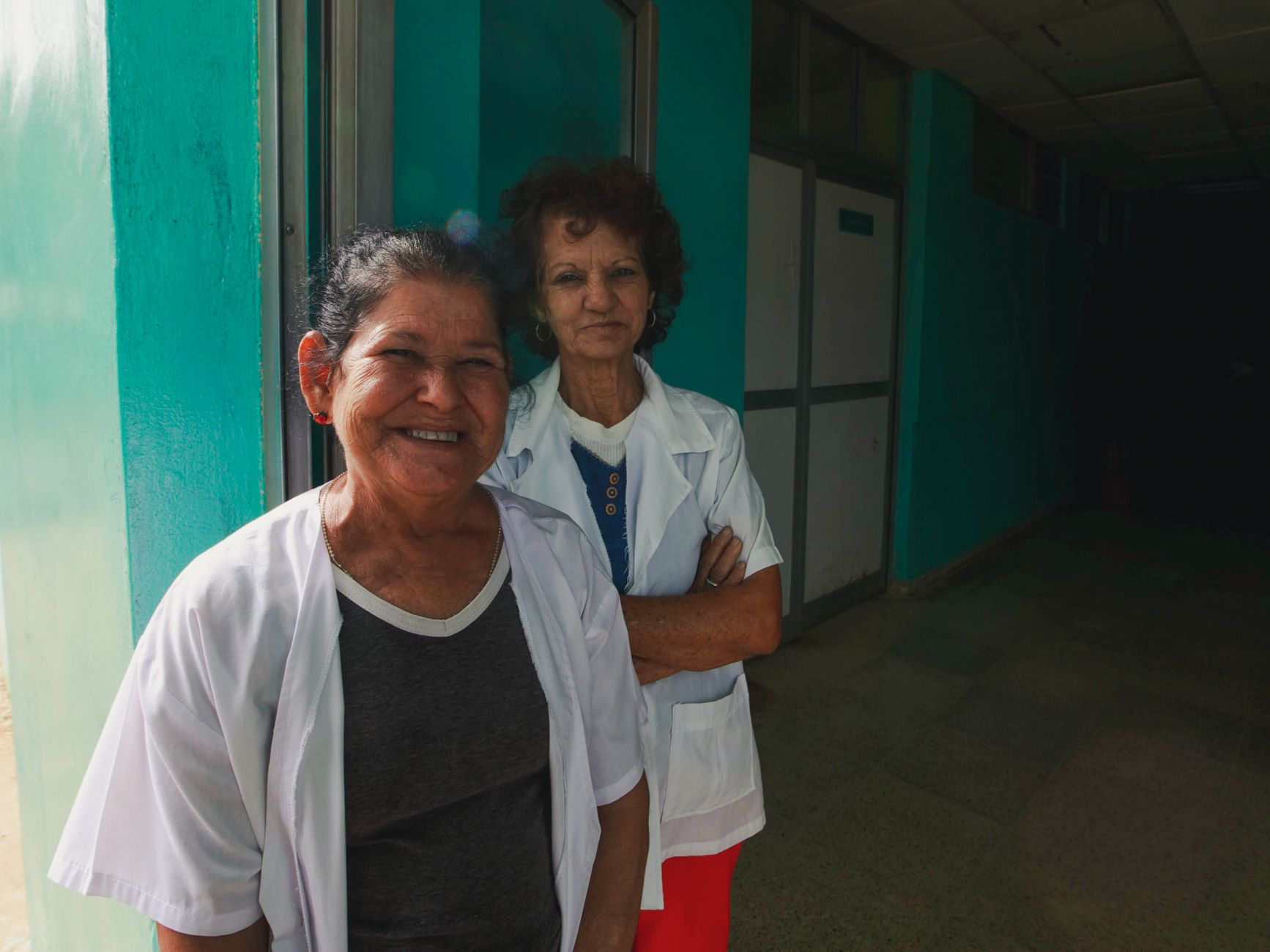
For those who prefer more personalized care, private healthcare is a viable option. Private healthcare in Uruguay is comprehensive and generally more accessible than the public system, albeit at a higher cost. Many retirees opt for a private health insurance plan, which can range from $100 to $300 per month, depending on age and health status. These plans offer access to a network of private hospitals and clinics, which are known for their high standards and shorter wait times.
Quality and Accessibility of Medical Services
The quality of medical services in Uruguay is generally high, with many doctors having trained in Europe or the United States. The country boasts a good doctor-to-patient ratio, and medical staff are often bilingual, which is a significant advantage for English-speaking expats. Major cities like Montevideo and Punta del Este offer modern facilities equipped with the latest medical technology.
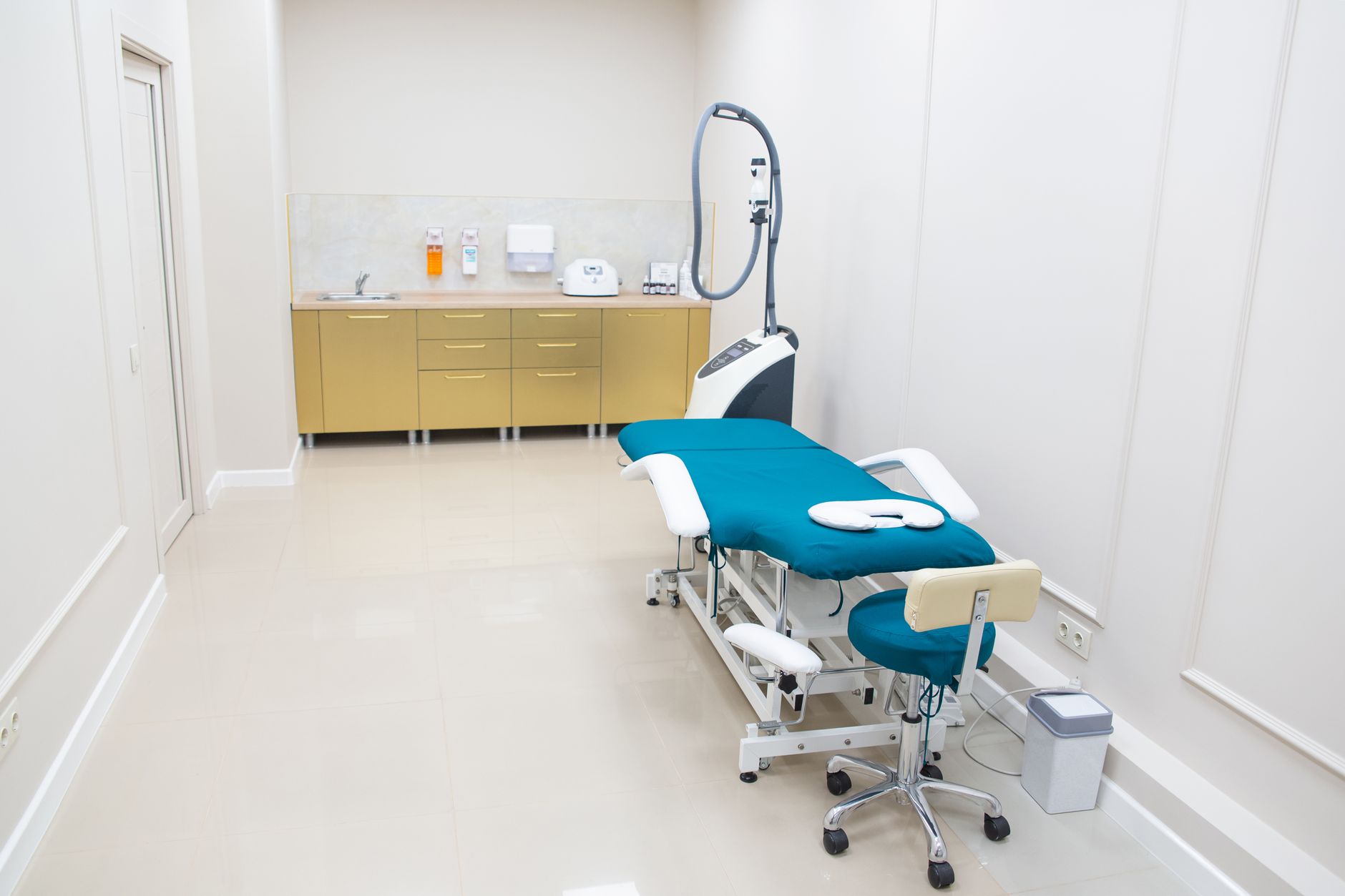
However, retirees should be prepared for some tradeoffs. While urban areas provide excellent healthcare services, rural regions may have limited facilities. This can mean traveling to a major city for specialized care. Additionally, while basic healthcare services are readily accessible, specialized treatments or procedures may require longer waits or travel, especially within the public system.
For those concerned about medication availability, Uruguay has a well-regulated pharmaceutical sector. Most medications are available over the counter, but it’s advisable for expats to bring a supply of any specific prescriptions they rely on, at least initially, until they establish care with a local physician.
Lifestyle Considerations for Retirees
Living in Uruguay offers a peaceful lifestyle with a moderate cost of living. For a budget of $2000 to $5000 per month, retirees can expect a comfortable lifestyle, especially if they choose to reside outside the bustling city centers. Housing options vary from modern apartments in Montevideo to charming homes in coastal towns like Punta del Este. Renting a modest apartment can range from $500 to $1200 per month, depending on location and amenities.
Uruguay's infrastructure supports a relaxed daily routine, with a reliable public transportation network and walkable cities. The country’s social life is vibrant yet laid-back, with plenty of opportunities for cultural engagement and community involvement. Expats often find it easy to integrate into local communities, with social clubs and activities catering specifically to retirees.
However, it's important to note that while Uruguay offers a high quality of life, it may not suit everyone. The pace of life is slower, which can be a blessing or a limitation, depending on personal preferences. Additionally, the language barrier can be a challenge for those who do not speak Spanish, though many locals are willing to communicate in English, especially in tourist areas.
In conclusion, Uruguay provides a solid healthcare system that can meet the needs of expats, coupled with a lifestyle that promotes well-being and community. Retirees should weigh the benefits of the healthcare services available against the potential limitations, such as language barriers and rural healthcare access, to determine if this destination aligns with their retirement plans.


