Thailand - Hidden Mountain Towns Beyond Chiang Mai — A Local's Perspective
Retiring abroad can be an adventure, offering the chance to explore new cultures, climates, and ways of life. For those considering Thailand, the vibrant city of Chiang Mai is often top of mind. However, the hidden mountain towns beyond Chiang Mai present a unique alternative, offering a quieter, more intimate experience of Thai culture and breathtaking natural beauty. These lesser-known destinations offer a blend of tranquility and community that may appeal to retirees seeking a slower pace of life, all while maintaining a comfortable lifestyle on a budget ranging from $2,000 to $5,000 per month.
Why This Place Stays Under the Radar
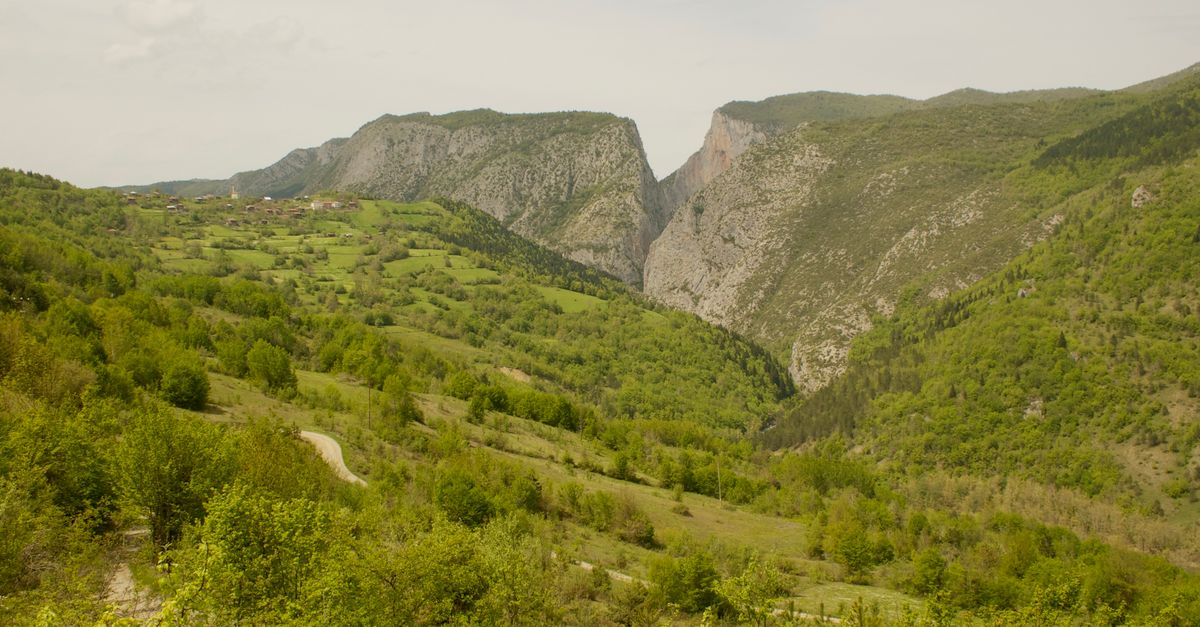
Nestled in the lush mountains of northern Thailand, towns like Pai, Mae Hong Son, and Chiang Dao remain relatively under the radar compared to bustling Chiang Mai. Each offers its own distinct charm and appeal. Pai, often described as a bohemian paradise, has a laid-back vibe with small cafes, local markets, and a community of both locals and expats. Mae Hong Son, closer to the Myanmar border, offers a more traditional Thai experience with fewer tourists and stunning natural scenery. Chiang Dao is known for its imposing limestone mountains and serene atmosphere, perfect for those who enjoy outdoor activities like hiking.
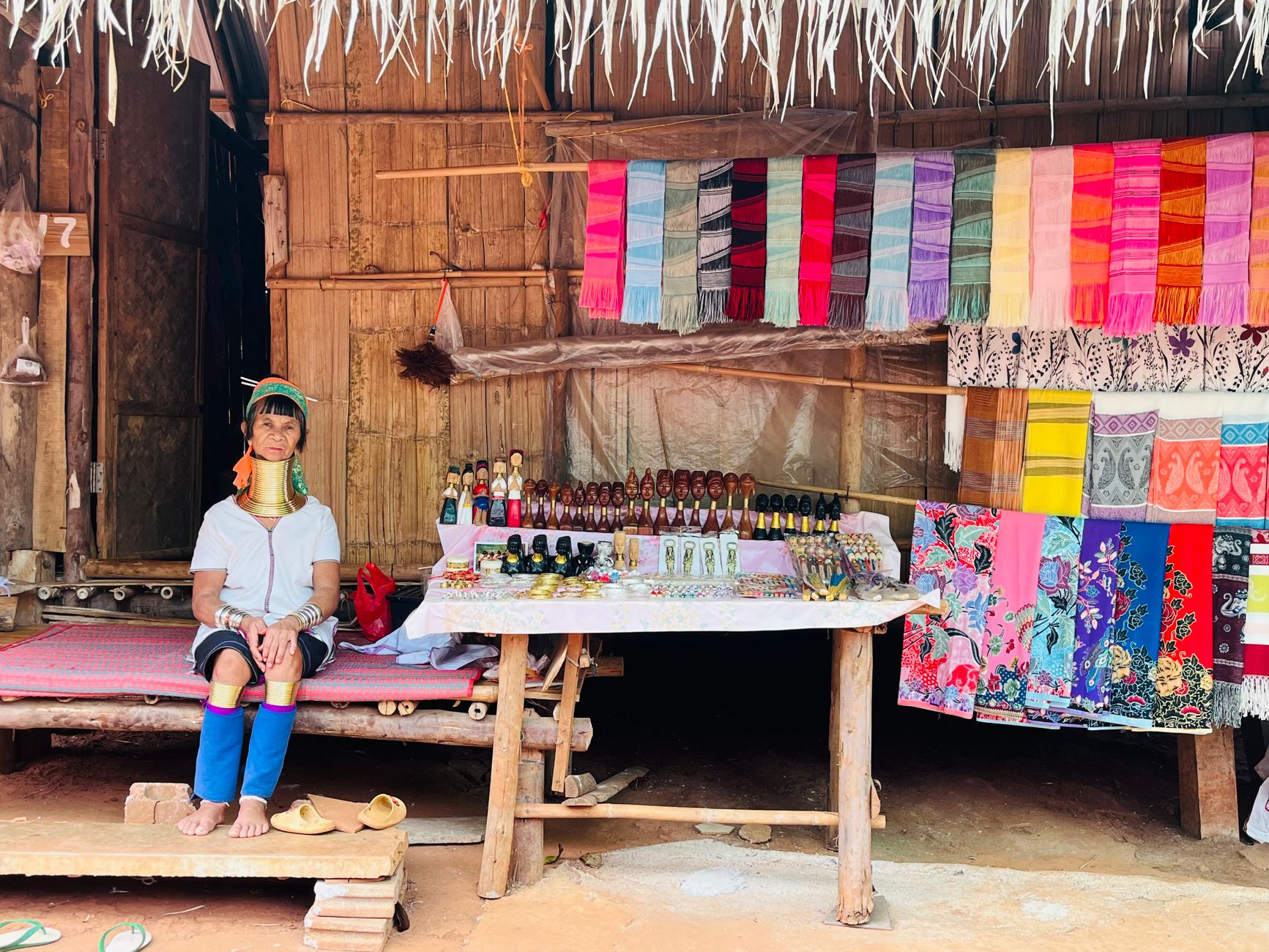
These towns stay under the radar due to their remote locations and the preference of tourists for more accessible destinations. However, for retirees, this means less crowded spaces, lower costs, and a chance to integrate into the local community more easily. The slower pace and natural beauty can be a refreshing change from the hustle and bustle of more tourist-heavy areas.
Daily Life, Access, and Community
Life in these mountain towns can be both tranquil and fulfilling. Daily routines might include visiting local markets for fresh produce, enjoying a leisurely coffee at a riverside café, or attending community events. With a budget of $2,000 to $5,000 per month, retirees can live comfortably, often affording a private house with a garden or a cozy apartment with stunning views of the mountains.

Access to these towns is relatively straightforward, with bus and minivan services from Chiang Mai. However, the winding mountain roads can be challenging, so retirees should consider their comfort with travel. Local transportation within the towns is usually via scooter or bicycle, with car rentals available for longer journeys.
Community life in these towns is vibrant, with a mix of locals and a small expat community. Language can be a barrier, but basic Thai is often enough to get by, and many locals are eager to practice their English. Community events, cooking classes, and volunteer opportunities offer ways to engage and form connections.
Healthcare access is more limited than in larger cities, but basic healthcare needs are met by local clinics. For more specialized care, a trip to Chiang Mai may be necessary. Retirees should consider their healthcare needs and verify availability of services.
Who Should Consider It — and Who Should Not
Retiring to a hidden mountain town beyond Chiang Mai can be an idyllic choice for those who seek peace, nature, and a close-knit community. It suits individuals who enjoy outdoor activities, have a sense of adventure, and are open to cultural immersion. The lower cost of living allows for a comfortable lifestyle without sacrificing quality.
However, these towns may not be for everyone. Those who require frequent access to advanced medical care or prefer the amenities and conveniences of a larger city might find these towns too remote. The slower pace and limited nightlife might not appeal to retirees who thrive in more dynamic environments.
Ultimately, retirees should consider their personal preferences, healthcare needs, and willingness to adapt to a new culture and lifestyle. Visiting these towns before making a decision is advisable, as firsthand experience can provide invaluable insight into whether this hidden gem is the right fit for retirement.