Quick Taste
Street soups in Chiang Mai are a popular blend of aromatic herbs, savory broths, and fresh ingredients, creating a sensory delight that captures the essence of Thai street food. Chiang Mai stands out for its diverse offerings and traditional flavors, while Bangkok offers more convenience and accessibility for tourists. For those seeking old-style flavor, Chiang Mai is the place to be, with its recipes passed down through generations. Visitors looking for larger portions and lighter options will also find Chiang Mai to be more accommodating, especially for dietary restrictions and first-time visitors.
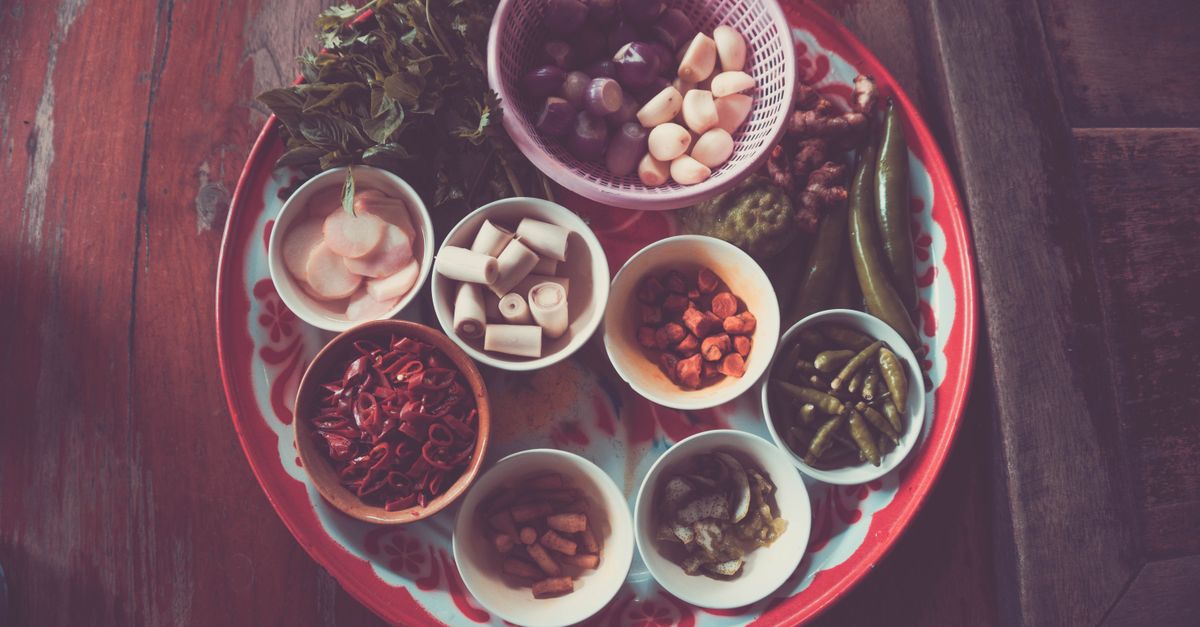
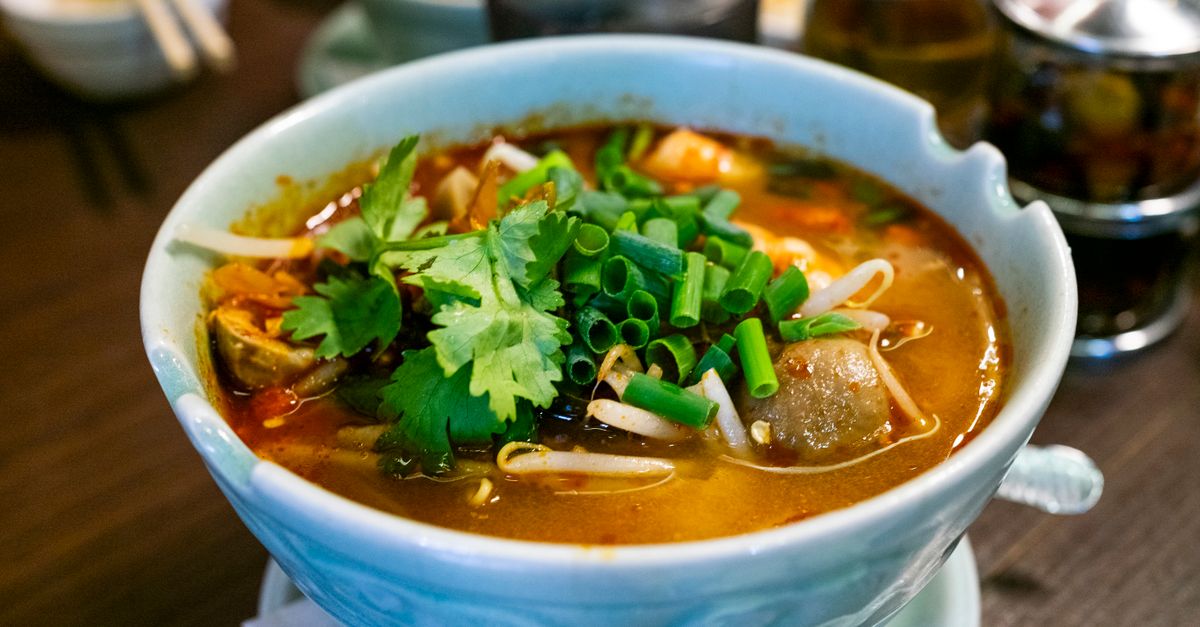
In Chiang Mai, the street soups are a testament to the city's food heritage. Visitors will encounter an array of flavors, from the spicy and tangy Tom Yum to the creamy and aromatic Khao Soi. The soups are typically served piping hot, with a variety of accompaniments such as fresh herbs, lime wedges, and chili flakes. Key variations include the addition of different proteins like chicken, pork, or seafood, and the use of local herbs such as lemongrass, kaffir lime leaves, and galangal. For first-time visitors, it's essential to try the local favorite, Khao Soi, a coconut curry noodle soup that perfectly encapsulates the unique flavors of Northern Thailand.
The Story Behind the Dish
Chiang Mai's street soups are deeply rooted in the region's history and cultural influences. The city's location in Northern Thailand has allowed it to absorb culinary elements from neighboring countries such as Myanmar and Laos, resulting in a fusion of flavors that is both distinct and captivating. The use of local herbs and spices is a testament to the region's agricultural abundance and the importance of fresh ingredients in Thai cuisine.
Historically, street food in Chiang Mai evolved as a practical solution for busy locals seeking quick, affordable, and nutritious meals. Over time, these street stalls became an integral part of the community, offering not just sustenance but also a social gathering place where people could connect over a bowl of soup. Today, these dishes continue to reflect the region's cultural diversity and the skillful balance of flavors that Thai cuisine is renowned for.
How Locals Eat It
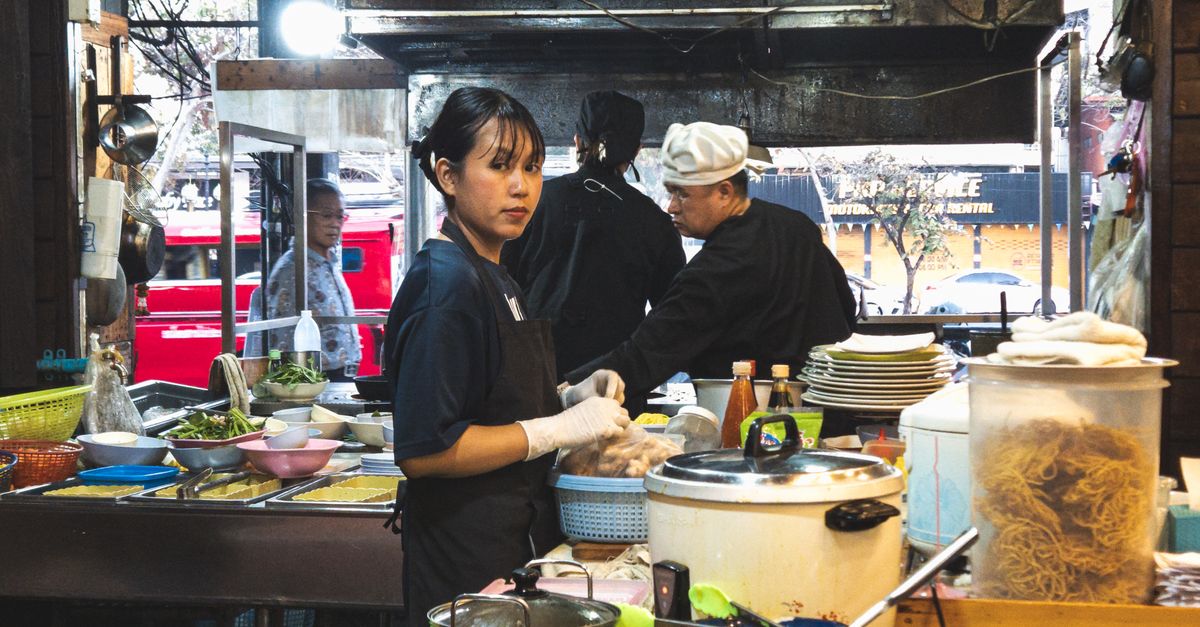
In Chiang Mai, locals often enjoy street soups as a quick and satisfying meal, whether it's for breakfast, lunch, or dinner. It's common to see people gathered around small street-side stalls, seated on plastic stools, enjoying their favorite soup. The communal atmosphere adds to the experience, as diners share tables and conversations while enjoying their meals.
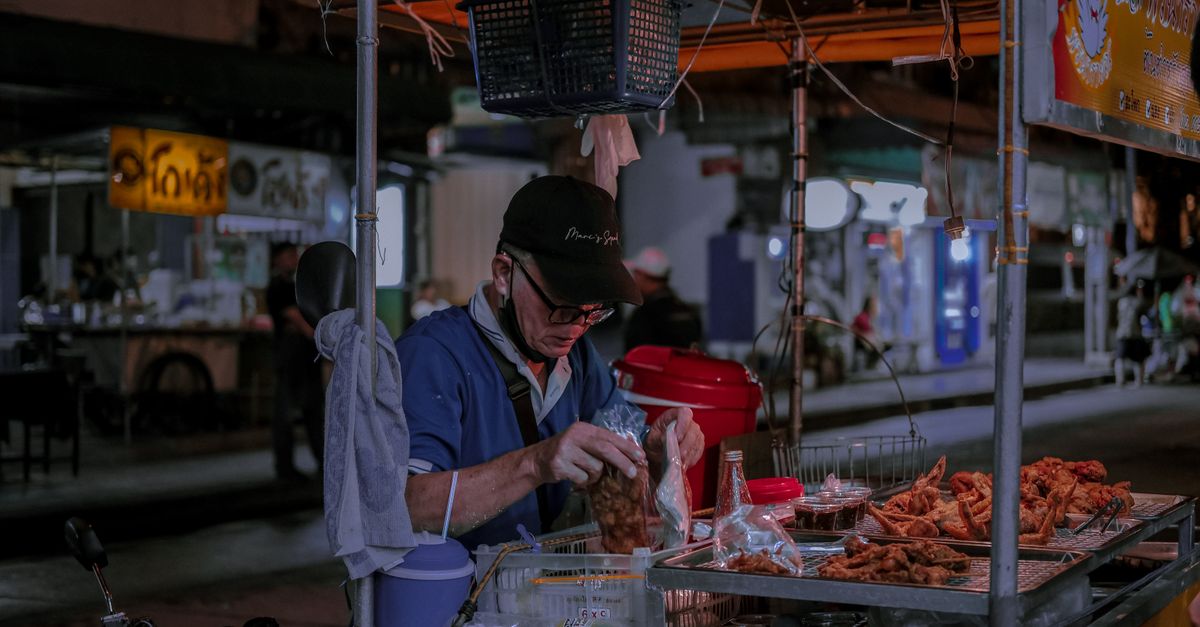
Locals typically customize their soups with an array of condiments available at each stall. These may include fish sauce, chili paste, sugar, and vinegar, allowing each person to tailor the flavor to their liking. The use of fresh herbs like cilantro and Thai basil is common, adding a burst of freshness to the dish. For those who prefer a spicier kick, additional chili flakes or fresh chilies are often added. The practice of personalizing one's soup is a cherished part of the dining experience in Chiang Mai.
Where to Find It
Chiang Mai's street food scene offers numerous opportunities to sample its famous soups. The city's night markets, such as the Chiang Mai Night Bazaar and the Sunday Walking Street Market, are popular spots where visitors can find an array of street food vendors offering freshly prepared soups. These markets are lively with activity, providing a lively backdrop to the culinary delights on offer.
For a more local experience, head to the Warorot Market, one of Chiang Mai's oldest and most popular markets. Here, you'll find a variety of stalls serving traditional soups, each with its own unique twist. The market is a favorite among locals, making it an ideal place to experience traditional Chiang Mai street food. Additionally, smaller neighborhood markets and roadside stalls scattered throughout the city offer delicious soups at affordable prices, often with shorter queues and a more relaxed atmosphere.
City vs. Countryside Flavor
The flavors of street soups in Chiang Mai vary significantly between the city and the surrounding countryside. In the city, the soups tend to be more diverse, with vendors offering a wide range of ingredients and styles to cater to the eclectic tastes of both locals and tourists. The lively markets and street corners provide a dynamic environment where the flavors are bold and the options are plentiful.
In contrast, the countryside around Chiang Mai offers a more traditional and rustic take on street soups. Here, the focus is often on simplicity and the use of locally sourced ingredients. The soups may be less varied in terms of ingredients, but they are rich in the flavors of the region, often highlighting the natural taste of fresh herbs and spices. The countryside experience is more about enjoying the traditionality and purity of the flavors, as well as enjoying the slower pace of life away from the city's hustle and bustle.
Cost, Portions, and Ordering Tips
Street soups in Chiang Mai are not only delicious but also incredibly affordable, making them an excellent choice for budget-conscious travelers. Prices typically range from 30 to 60 Thai Baht per bowl, depending on the ingredients and location. Portions are generally generous, providing a satisfying meal that can easily be shared or enjoyed individually.
When ordering, it's helpful to familiarize yourself with some basic Thai phrases, as many street vendors may not speak English fluently. Phrases like "Khao Soi" for the famous curry noodle soup or "Tom Yum" for the spicy and sour soup can be useful. Additionally, be prepared to specify your preferred level of spiciness, as Thai soups can be quite fiery for those unaccustomed to the heat. Don't hesitate to ask for recommendations from the vendor, as they can often suggest the best combinations of ingredients to suit your taste.
What to Know Before You Try It
Before diving into the street soups of Chiang Mai, it's important to be aware of a few key considerations. First, hygiene standards can vary, so it's wise to choose stalls that appear clean and have a steady stream of local customers, as this is often a good indicator of quality and freshness. Observing how the food is prepared and served can also provide reassurance.
For those with dietary restrictions or allergies, it's crucial to communicate your needs clearly to the vendor. While many soups are naturally gluten-free and can be adapted for vegetarians, it's essential to confirm the ingredients used, as fish sauce and shrimp paste are common components in Thai cuisine. Lastly, be mindful of the spice levels, as even a seemingly mild soup can pack a punch. Start with a milder version and adjust the heat to your liking with the available condiments.
Common Mistakes Visitors Make
One common mistake visitors make when trying street soups in Chiang Mai is not being adventurous enough with their choices. While it's tempting to stick to familiar flavors, the true essence of Chiang Mai's street food lies in its diversity and the opportunity to try new tastes. Don't shy away from trying lesser-known soups or experimenting with different condiments to enhance the flavor.
Another mistake is underestimating the spice levels. Thai cuisine is known for its bold use of chilies, and what may seem like a mild dish can quickly become overwhelming for those unaccustomed to spicy food. It's advisable to start with a lower spice level and gradually increase it as you become more comfortable. Additionally, overlooking the importance of fresh herbs and garnishes can result in missing out on the full spectrum of flavors that these soups have to offer.
Frequently Asked Questions
What are the worth trying street soups in Chiang Mai?
Khao Soi, a coconut curry noodle soup, and Tom Yum, a spicy and sour soup, are must-tries in Chiang Mai. Both dishes offer a unique blend of flavors that showcase the region's culinary diversity. Other popular options include Tom Kha Gai, a coconut milk-based chicken soup, and Guay Teow, a noodle soup with various protein choices.
Are street soups in Chiang Mai safe to eat?
Generally, street soups in Chiang Mai are safe to eat, especially if you choose stalls with high turnover and a steady stream of local customers. It's important to observe the cleanliness of the stall and the freshness of the ingredients. Opt for vendors who prepare soups to order, ensuring that your meal is freshly made.
Can I find vegetarian street soups in Chiang Mai?
Yes, vegetarian street soups are available in Chiang Mai. Many vendors offer vegetarian versions of popular soups like Tom Yum and Khao Soi by omitting meat and using tofu or additional vegetables instead. It's essential to communicate your dietary preferences clearly to ensure that no animal-based ingredients are used.
How spicy are the street soups in Chiang Mai?
The spice level of street soups in Chiang Mai can vary significantly. While some soups are mild and aromatic, others can be quite spicy. It's advisable to start with a milder version and adjust the spice level to your preference using the available condiments. Always ask the vendor about the spice level if you're unsure.
Related Golden Horizons Guides
- Best Countries to Retire Abroad on a Budget
- Healthcare Abroad for American Retirees
- Retiring Abroad Checklist for Americans
- Visa Rules for Americans Retiring Abroad
About Golden Horizons
Golden Horizons is the retirement abroad magazine for Americans who aren’t done yet.
Final Bite
Chiang Mai's street soups offer a tantalizing taste of Northern Thailand's food heritage. With their rich flavors, aromatic herbs, and fresh ingredients, these soups are a worth trying for anyone visiting the region. Whether you're exploring the lively markets of the city or enjoying the simplicity of countryside flavors, Chiang Mai's street soups provide an memorable dining experience. Embrace the opportunity to try new dishes, customize your flavors, and immerse yourself in the popular street food culture that makes Chiang Mai a food enthusiast's excellent destination.