
Thailand — Cost of Living in Chiang Mai vs Bangkok
As you consider retiring in Thailand, the cities of Chiang Mai and Bangkok present two distinct lifestyles, each offering its own unique charm and advantages. With a monthly budget of $2,000 to $5,000, both cities can provide a comfortable and enriching retirement experience. Whether you are drawn to the vibrant urban life of Bangkok or the serene landscapes of Chiang Mai, understanding the differences in cost of living and lifestyle can help you make the best decision for your retirement.
Why Retire Here
Chiang Mai, nestled in the mountainous region of northern Thailand, offers retirees a peaceful environment with a rich cultural heritage. Known for its historic temples and vibrant markets, daily life here is infused with a sense of calm and community. The Old City is a charming area where you can wander through narrow streets lined with teakwood houses and discover local cafes offering traditional Thai coffee. The slower pace of life, combined with the stunning natural scenery of nearby national parks, makes Chiang Mai an ideal location for those seeking tranquility and a strong connection with nature.
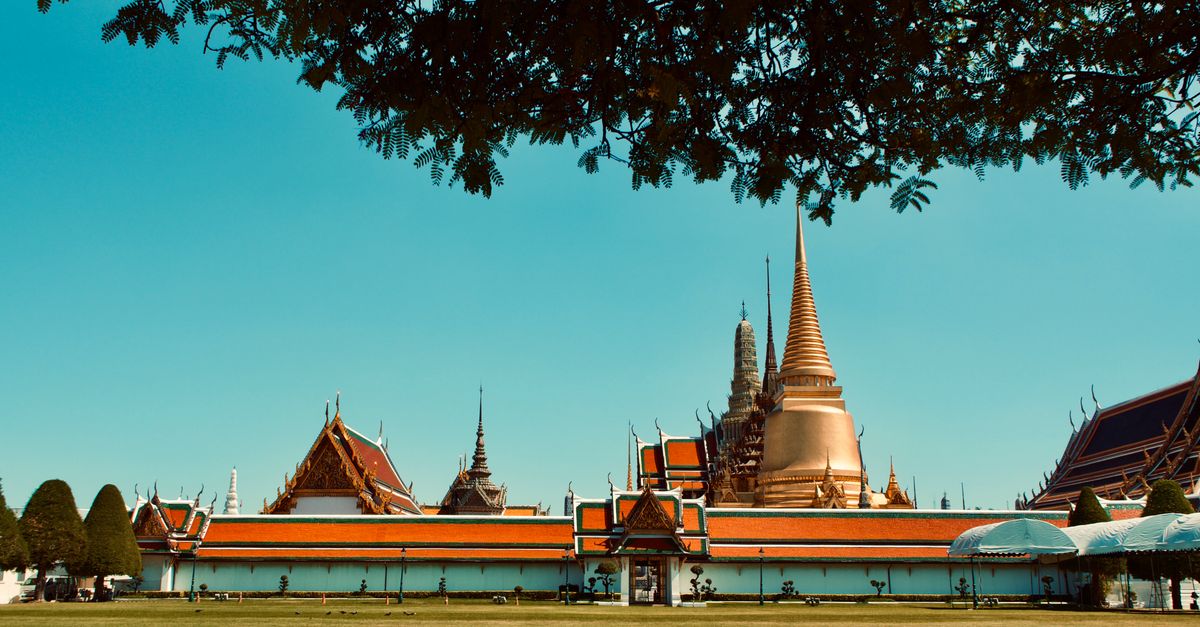
In contrast, Bangkok is a bustling metropolis that never seems to sleep. It offers a dynamic lifestyle filled with endless entertainment options, from world-class dining and shopping to cultural festivals and nightlife. The cityscape is a fascinating blend of modern skyscrapers and historic temples, such as the iconic Wat Arun along the Chao Phraya River. For retirees who thrive on excitement and diversity, Bangkok provides a vibrant and energetic environment where there is always something new to explore.
Both cities are rich in Thai culture, but in different ways. Chiang Mai is known for its traditional festivals like Yi Peng, where thousands of lanterns light up the night sky, creating a magical atmosphere. Meanwhile, Bangkok hosts international events and exhibitions, offering a more cosmopolitan cultural experience. Whether you prefer the cultural depth of Chiang Mai or the cosmopolitan flair of Bangkok, both cities offer a rich tapestry of experiences that can make your retirement fulfilling and delightful.
Practical Tips
Retiring in Thailand requires a thorough understanding of visa requirements. The Thai Retirement Visa is a popular option, allowing retirees to stay long-term. It requires proof of income or savings, which should fit comfortably within your $2,000 to $5,000 monthly budget. Safety is generally good in both cities, but as with any major destination, staying aware of your surroundings and respecting local customs is important.
In Chiang Mai, popular neighborhoods for expats include Nimmanhaemin, known for its trendy cafes and shops, and the more traditional Old City. These areas offer a mix of modern conveniences and cultural experiences. Bangkok presents a wider range of neighborhoods, each with its own character. Sukhumvit is favored for its expat-friendly amenities and vibrant nightlife, while areas like Ari and Thonglor offer a quieter, more residential feel with easy access to the city's attractions.
Language can be a barrier, but both cities have thriving expat communities where English is commonly spoken. In Bangkok, you'll find more English speakers, given its international nature. Chiang Mai, while slightly more traditional, still offers language schools and expat groups to help you integrate and make new friends. Engaging with these communities can ease the transition and enrich your retirement experience.

Cost & Healthcare
Chiang Mai is generally more affordable than Bangkok, making it an attractive option for budget-conscious retirees. Rent for a one-bedroom apartment in Chiang Mai's city center can range from $300 to $600 per month, significantly lower than similar accommodations in Bangkok, where prices can start at $600 and go up to $1,500. This price difference allows for more flexibility in your budget, whether you want to dine out frequently, travel, or engage in local activities.
Food in both cities is delicious and affordable, with street food meals costing as little as $1. In Chiang Mai, dining at a mid-range restaurant might cost around $10 for two, while in Bangkok, you may spend closer to $15 to $20. Transportation is another area where costs differ. Chiang Mai's compact size means you can often get around by walking or using inexpensive songthaews and tuk-tuks. Bangkok's extensive public transit system, including the BTS Skytrain and MRT, offers convenience but at a slightly higher cost.
Healthcare in Thailand is of high quality and affordable, with numerous hospitals and clinics catering to expats. Bangkok boasts some of the best hospitals in Southeast Asia, such as Bumrungrad International Hospital, known for its excellent care and English-speaking staff. Chiang Mai also offers good medical facilities, though they may not be as extensive as those in the capital. Both cities have private health insurance options available, ensuring you have access to the care you need without straining your budget.
Retiring in Thailand offers a blend of culture, comfort, and affordability that is hard to match. Whether you choose the serene landscapes of Chiang Mai or the vibrant energy of Bangkok, you can enjoy a fulfilling retirement with plenty of opportunities to explore and enjoy life to the fullest.


