Quick Taste
Tapas in Seville and Barcelona are a quintessential Spanish dining experience, featuring small, flavorful dishes perfect for sharing. Seville is better for traditional tapas with traditional Andalusian flavors, while Barcelona offers newer versions with a Catalan twist. For value, Seville's tapas are generally more affordable, whereas Barcelona provides convenience with its diverse food scene. Seville is ideal for those seeking larger portions and traditional flavors, while Barcelona caters to dietary restrictions and first-time visitors with its cosmopolitan offerings.
Visitors to Seville will encounter tapas that are deeply rooted in Andalusian traditions, often featuring bold flavors from ingredients like chorizo, jamón ibérico, and fresh seafood. Tapas here are typically served at room temperature or warm, accompanied by a slice of crusty bread. In Barcelona, expect a more eclectic mix, with tapas that might include fusion elements or be served with a Catalonian twist. Both cities offer a wide range of options, from vegetarian-friendly dishes to those that cater to seafood enthusiasts. For first-time visitors, Seville is ideal for experiencing the heart of traditional tapas culture, while Barcelona is perfect for those who enjoy a modern culinary exploration.
The Story Behind the Dish
Tapas originated in Andalusia, with Seville often credited as the birthplace of this dining style. Historically, tapas were small slices of bread or meat used to cover drinks, protecting them from flies. Over time, they evolved into a diverse array of small dishes, each reflecting local ingredients and food traditions. In Seville, tapas often feature ingredients like jamón ibérico, chorizo, and fresh seafood, embodying the flavors of southern Spain. Barcelona, on the other hand, incorporates Catalan influences, with dishes like pan con tomate and escalivada, showcasing the region's penchant for fresh, local produce.
In Seville, tapas have been influenced by the city's Moorish past, resulting in a mix of flavors that include spices like cumin and saffron. The region's access to fresh produce and seafood from the nearby coast has also shaped its tapas offerings. Barcelona has embraced its Catalan heritage, incorporating local ingredients such as butifarra (a type of sausage) and escalivada (a dish of roasted vegetables) into its tapas. The city's cosmopolitan nature has also led to the inclusion of international flavors, reflecting the diverse culinary influences that converge in Barcelona.
How Locals Eat It
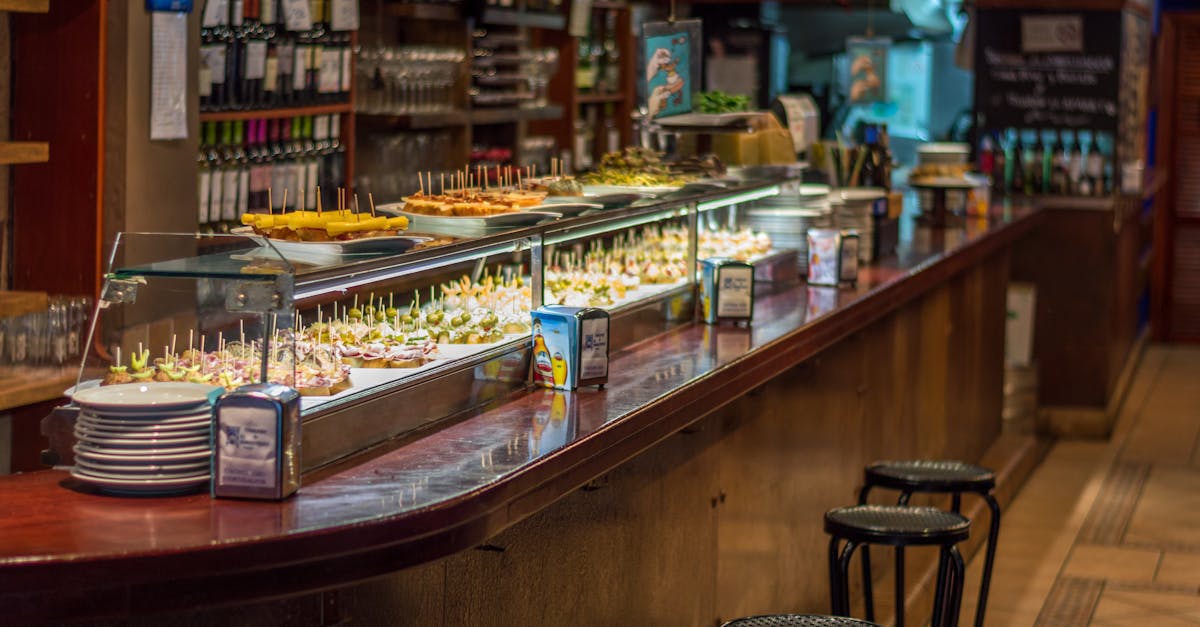
In both Seville and Barcelona, tapas are a social affair, enjoyed with friends and family over drinks. Locals typically eat tapas in the evening, hopping from one bar to another, sampling a variety of dishes. In Seville, the experience is more traditional, with a focus on classic dishes like tortilla española and gambas al ajillo. Tapas are often paired with local wines or sherry. In Barcelona, tapas bars offer a mix of traditional and contemporary options, often accompanied by cava or vermouth. The atmosphere is lively and informal, with patrons standing at the bar or sitting at communal tables.

In Seville, tapas are a social affair, often enjoyed in the company of friends and family. Locals typically visit several bars in one evening, sampling different tapas at each stop. This practice, known as "tapeo," is a cherished part of the city's culture. Tapas are usually accompanied by a glass of sherry, beer, or wine, and the experience is as much about the conversation and camaraderie as it is about the food.
Barcelona's tapas culture is slightly different, with locals often opting for a more relaxed dining experience. While the concept of sharing small plates is still prevalent, Barcelona's tapas bars tend to offer a more sit-down dining style, where patrons might linger over their meal. Here, tapas are often paired with cava, a sparkling wine from the region, or a refreshing vermouth. In both cities, it's common for locals to enjoy tapas as a late afternoon snack or as a prelude to a later dinner.
Where to Find It
Visitors can find tapas in numerous places across both cities. In Seville, head to the Santa Cruz neighborhood or the lively Triana district, where traditional tapas bars line the streets. In Barcelona, the Gothic Quarter and El Raval are popular areas for tapas, offering a mix of old-world charm and modern flair. Many bars in both cities have a chalkboard menu, showcasing the day's offerings. While some tapas bars in tourist areas may have higher prices, venturing into local neighborhoods often yields more traditional and affordable experiences.

Seville's tapas scene is centered around its historic neighborhoods, such as Santa Cruz and Triana. These areas are home to numerous traditional tapas bars, where you can enjoy classic dishes like tortilla española (Spanish omelette) and gambas al ajillo (garlic shrimp). Bar El Rinconcillo, one of Seville's oldest tapas bars, offers a quintessential Andalusian experience with its rustic charm and time-honored recipes.
In Barcelona, the lively district of El Born is a hotspot for tapas enthusiasts. Here, you'll find a mix of trendy bars and traditional taverns serving everything from patatas bravas (spicy potatoes) to bacalao (salt cod). Quimet & Quimet, a small but popular bar, is known for its inventive tapas and extensive selection of wines and vermouths. For those seeking a more newer take, Tickets, run by the famous Adrià brothers, offers a theatrical dining experience with avant-garde tapas creations.
City vs. Countryside Flavor
Seville's tapas reflect the city's deep-rooted Andalusian culture, with dishes that are robust and flavorful. The setting is often intimate, with smaller, family-run establishments offering a warm, welcoming atmosphere. Prices are generally lower, and portions are generous, making it an excellent choice for those seeking traditional flavors. Barcelona, with its cosmopolitan vibe, offers a more diverse tapas experience. The city's food scene is innovative, with chefs experimenting with newer versions and international influences. While prices can be higher, especially in tourist areas, the convenience and variety make it appealing for first-time visitors and those with dietary restrictions.
The contrast between Seville and Barcelona's tapas is mirrored in the differences between urban and rural interpretations of the dishes. In Seville, the city offers a more traditional approach, with recipes passed down through generations. The countryside around Seville, however, brings a rustic touch to tapas, often featuring locally sourced ingredients like wild mushrooms and game meats. This rural influence adds a hearty, earthy quality to the dishes.
Barcelona, with its cosmopolitan flair, showcases a broader range of influences in its tapas. The city's proximity to the Mediterranean Sea means that seafood plays a significant role in its offerings, with dishes like pulpo a la gallega (Galician-style octopus) being a staple. In the countryside surrounding Barcelona, tapas take on a simpler, more rustic form, highlighting the natural flavors of the region's produce and meats. This juxtaposition between city and countryside flavors provides a diverse and enriching tapas experience for visitors.
Cost, Portions, and Ordering Tips
In Seville, expect to pay around €2 to €4 per tapa, with portions that are typically larger than those in Barcelona. Barcelona's tapas can range from €3 to €6, depending on the bar's location and the dish's complexity. Cash is commonly used in smaller, traditional bars, while cards are accepted in more modern establishments. When ordering, it's customary to start with a few tapas and order more as you go. Don't hesitate to ask the bartender for recommendations or inquire about daily specials. In both cities, it's polite to leave a small tip, usually by rounding up the bill.
Tapas in Seville are known for being affordable, with prices typically ranging from €2 to €4 per dish. Portions are generous, making it easy to sample a variety of dishes without breaking the bank. It's common to order several tapas to share among the group, allowing everyone to taste different flavors. In Barcelona, prices can be slightly higher, especially in more touristy areas, with tapas ranging from €3 to €6. Portions tend to be smaller but are often more elaborate in presentation.
When ordering tapas, it's helpful to know some local terminology. In Seville, you might hear the term "media ración," which refers to a half-portion, perfect for trying multiple dishes. In Barcelona, "pintxos" are popular, especially in bars with a Basque influence. These are small snacks typically served on a skewer or piece of bread. To get the best experience, consider asking the staff for their recommendations, as they often know the freshest and most popular dishes of the day.
What to Know Before You Try It
Tapas can vary significantly in terms of ingredients and preparation. In Seville, expect dishes with bold flavors, often featuring pork, seafood, and olive oil. Barcelona's tapas may include more vegetables and lighter options, catering to a variety of dietary needs. Be mindful of potential allergens like nuts and shellfish, and always ask about ingredients if you have dietary restrictions. Both cities maintain high standards of food safety, but it's wise to choose busy bars, as high turnover ensures freshness. Seating can be limited, so be prepared to stand, especially during peak hours.
Before diving into the world of tapas, it's important to understand the cultural nuances that accompany this dining style. In Seville, tapas are often enjoyed standing at the bar, and it's common to see locals moving from one bar to another throughout the evening. This casual approach is part of the charm, and visitors should embrace the lively atmosphere.
In Barcelona, while some bars still encourage bar-side dining, many offer table service, providing a more relaxed environment. It's also worth noting that tapas are typically not meant to replace a full meal but rather to complement drinks and social interactions. For those with dietary restrictions, both cities offer a variety of options, including vegetarian and gluten-free tapas. However, it's always wise to check with the staff about ingredients, as some dishes may contain hidden allergens like nuts or dairy.
Common Mistakes Visitors Make
One common mistake is ordering too many tapas at once. It's better to start with a few and order more as needed. Another error is expecting free tapas with drinks, which is not customary in Seville or Barcelona, unlike some other parts of Spain. Visitors often overlook local specialties in favor of familiar dishes, missing out on unique regional flavors. Lastly, sticking to tourist areas can lead to overpriced and less traditional experiences. Exploring local neighborhoods can offer a more genuine taste of the city's food culture.
One common mistake visitors make is treating tapas as a full meal rather than a social snack. This can lead to overordering and missing out on the opportunity to sample a wider range of dishes. It's better to start with a few tapas and order more as needed, allowing for a leisurely dining experience.
Another mistake is not embracing the local custom of bar-hopping. In Seville, especially, the joy of tapas lies in moving from one bar to another, experiencing different atmospheres and flavors. Staying in one place might mean missing out on the diverse offerings of the city. In Barcelona, visitors sometimes overlook the importance of reservations, especially in popular tapas bars. To avoid long waits, it's advisable to book a table in advance or arrive early.
Frequently Asked Questions
Is tapas better in Seville or Barcelona?
Seville is better for traditional tapas with traditional Andalusian flavors, while Barcelona offers newer versions with a Catalan twist.
What does tapas taste like?
Tapas vary widely in taste, from savory and rich to fresh and light, depending on the ingredients and preparation style.
How much does tapas usually cost?
In Seville, tapas typically cost €2 to €4 each, while in Barcelona, they range from €3 to €6.
What should I order with tapas?
Pair tapas with local wines, sherry in Seville, or cava and vermouth in Barcelona for an traditional experience.
Related Golden Horizons Guides
- Best Countries to Retire Abroad on a Budget
- Healthcare Abroad for American Retirees
- Retiring Abroad Checklist for Americans
- Visa Rules for Americans Retiring Abroad
About Golden Horizons
Golden Horizons is the retirement abroad magazine for Americans who aren’t done yet.
Final Bite
Tapas in Seville and Barcelona offer a delicious window into Spanish culture, each city providing its own twist on this dining tradition. Whether you're drawn to Seville's traditional flavors or Barcelona's modern innovations, there's something for everyone to enjoy. Embrace the local customs, savor the diverse flavors, and let the popular atmosphere of these cities enhance your food journey.